
How To
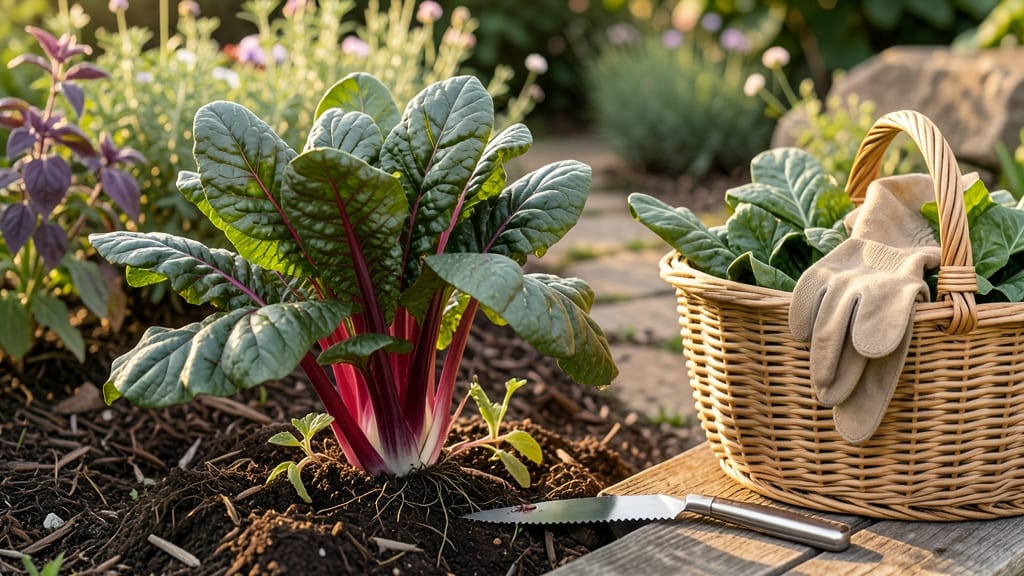
How to harvest chard so it keeps growing the right way can turn your garden into a leafy green powerhouse that keeps producing all season long—without ever running out of fresh leaves. Most gardeners make the mistake of cutting too much at once, which stunts growth and leaves them scrambling for new plants. But with the right technique, you’ll enjoy a steady supply of tender greens from early summer straight through fall.
The key to continuous chard growth lies in selective harvesting—cutting just the outer leaves while leaving the center intact. This method ensures your plant stays healthy and keeps producing new leaves for weeks, even months.
I’ll show you exactly how to time your harvests, which leaves to trim, and how to avoid common mistakes that waste your hard work.
Whether you’re a beginner or a seasoned gardener, mastering this cut-and-come-again approach will save you time and money while giving you a never-ending harvest. Let’s dive into the simple steps that will keep your Swiss Chard thriving all season.
From recognizing the perfect leaves to readjusting your schedule based on plant maturity, you’ll learn how to maximize your yield without overworking your plants. Ready to transform your garden into a leafy green machine?
The perfect cut-and-come-again method for continuous chard harvesting
Harvesting chard correctly is the secret to a never-ending supply of crisp, flavorful leaves. Unlike many greens, chard regrows after cutting—but only if you follow the right cut-and-come-again technique. The key lies in selective harvesting and preserving the plant's energy to produce new growth.
Most gardeners make the mistake of cutting too much at once, leaving the plant stressed and stunted. Instead, think of your chard as a renewable resource: you take what you need while leaving enough to fuel regrowth.
This method works for both Swiss chard and rainbow chard, ensuring your garden stays productive from early summer to frost.
Here’s how to master the cut-and-come-again technique step by step—so your chard keeps growing like a well-oiled machine:
Harvest only when outer leaves reach 6-8 inches long and are deep green or colorful. Smaller leaves mean the plant isn’t ready—cutting too early slows regrowth.
Never tear leaves—use bypass pruners or scissors to make a clean cut. Dull tools crush stems, inviting disease and stunting recovery.
Always harvest from the outside inward, leaving the center leaves and growing point intact. This ensures the plant keeps producing new growth.
Never remove more than 1/3 of the plant at once. Keeping 2-3 healthy inner leaves provides energy for regrowth and protects the growth center.
Cut leaves early in the day when they’re firm and hydrated. This reduces stress and gives the plant time to recover before evening.
Apply a balanced fertilizer (10-10-10) or compost tea immediately after cutting. This replenishes nutrients lost during harvest and boosts regrowth.
Give the plant 1-2 inches of water after harvesting to replenish moisture and reduce transplant shock. Avoid overhead watering to prevent disease.
Add 2-3 inches of mulch around the base to lock in moisture and regulate soil temperature. This keeps roots happy and growth steady.
With proper care, chard can produce harvests every 2-3 weeks throughout the season. Monitor growth and adjust frequency based on plant health.
Pro tip: If your chard starts bolting (flowering) too early, it’s a sign of stress or heat stress. Provide afternoon shade in hot climates and harvest more frequently to encourage leafy growth over flowers.
By following these steps, your chard plants will thrive for months, giving you a continuous supply of homegrown greens—no replanting required! The secret is patience and precision, but the reward is bountiful harvests all season.
🌱
The perfect cut-and-come-again method for continuous chard harvesting
Swiss chard thrives when you use the cut-and-come-again method—this means harvesting leaves strategically so the plant keeps producing. The key is to remove outer leaves first while leaving the inner growth intact. This preserves the plant’s energy and encourages regrowth for weeks, even months, after planting.
Start harvesting when your chard leaves reach 6-8 inches long—this is the ideal size for both flavor and plant health. Use a sharp knife or pruning shears to make clean cuts just above the leaf stem. Avoid tearing leaves, as this can damage the plant and slow regrowth.
Why this method works: By leaving the center of the plant intact, you allow the chard to continue photosynthesizing and producing new leaves. Think of it like trimming a hedge—you’re shaping the plant to encourage fuller growth.
Step-by-Step Cut-and-Come-Again Guide
- Step 1: Inspect the plant for fully mature outer leaves (6-8 inches).
- Step 2: Hold the leaf firmly and cut with a sharp knife at a 45° angle, about 1 inch above the base.
- Step 3: Leave the inner leaves and stem undisturbed to keep growing.
- Step 4: Harvest 1-2 outer leaves per plant every 1-2 weeks to avoid over-stressing the plant.
- Step 5: After harvesting, water the plant deeply to encourage regrowth.
One common mistake is harvesting too many leaves at once. If you take more than 25% of the plant’s foliage in a single session, it can shock the chard and reduce future yields. Instead, space out your harvests to keep the plant balanced and healthy.
For maximum regrowth, always harvest in the morning after dew has dried. This gives the plant the rest of the day to recover and reduces stress. Avoid harvesting during extreme heat or cold, as this can weaken the plant’s ability to bounce back.
With this method, you can enjoy a continuous harvest for 6-8 weeks or longer, depending on your climate. The key is patience—let the plant recover between harvests, and it will reward you with fresh, flavorful leaves all season long.