
How To
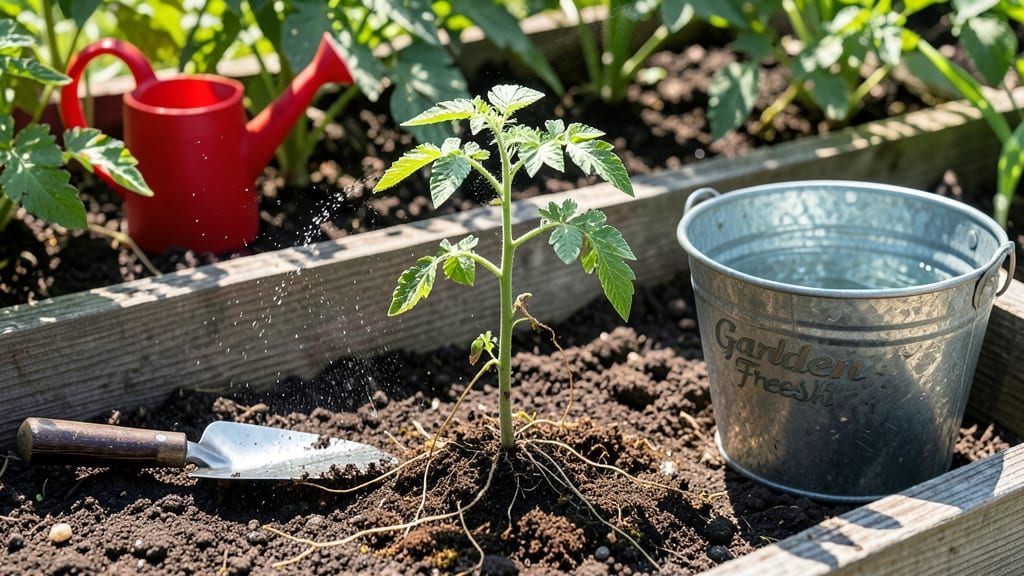
How to help transplant shock turn your thriving seedlings into sad, droopy plants overnight. 🌱 I’ve nursed back more struggling transplants than I’d like to admit—wilting leaves, yellowing edges, and roots that refuse to settle. The good news? You can revive them with the right care, and mycorrhizal fungi are the secret weapon I wish I’d known about sooner.
This isn’t about coddling weak plants—it’s about fixing the real issues: root damage from rough handling, sudden light changes, or soil stress. Start by watering deeply but gently, keeping the soil moist (not soggy) for the first 7-10 days.
Prune any wilted or damaged leaves to redirect energy to root recovery, and avoid fertilizing until new growth appears. Timing matters too: transplant in the early morning or late afternoon to minimize stress from harsh sunlight.
Mycorrhizal fungi—the beneficial soil microbes—are the game-changer here. They form a symbiotic relationship with roots, boosting nutrient uptake and drought resistance. Mix a mycorrhizal inoculant into the planting hole or apply it to the soil surface before watering.
Within 2-3 weeks, you’ll see plants perking up, leaves regaining color, and roots establishing stronger connections. It’s like giving your plants a root massage after a rough move.
For specific plants, like tomatoes or peppers, focus on keeping the soil warm and consistent—these heat-lovers hate temperature swings. Herbs and leafy greens, on the other hand, bounce back faster with shade and frequent misting.
The key is patience: most plants show full recovery in 3-4 weeks with the right care. Trust the process, and you’ll turn limp transplants into lush, thriving additions to your garden.
Rooting Causes Of Transplant Shock
Transplant shock isn’t just a vague gardening woe—it’s a stress response triggered by multiple physiological disruptions when plants uproot and relocate. Understanding why it happens helps you prevent or mitigate it before it stalls your garden’s growth.
Let’s break down the key culprits behind this post-transplant slump, from cellular chaos to environmental mismatches.
---
When you dig up a plant, its root system takes a beating—even if the roots look intact. Here’s what’s really happening:
- Microscopic Tears & Cell Rupture - Roots are delicate networks of vascular tissue (xylem and phloem) that transport water, nutrients, and sugars.
Even a gentle extraction can crush or sever fine feeder roots (the tiny, hair-like roots responsible for 90% of water/nutrient uptake). - Science alert: These roots regenerate slowly—if at all—because their meristematic cells (growth zones) are often damaged.
Without them, the plant starves for moisture and nutrients until new roots form.
- Disrupted Mycorrhizal Partnerships ⚡ - Mycorrhizal fungi (symbiotic helpers) wrap around roots, extending their reach by 100x for nutrient absorption.
When you transplant, you sever these fungal threads, forcing the plant to rebuild the relationship from scratch. - Pro tip: 💡 If your soil lacks mycorrhizae, the plant’s recovery time doubles—prioritize mycorrhizal inoculants (like Rhizophagus irregularis) post-transplant.
- Oxygen Starvation (Anaerobic Stress) 🌪️ - Compacted or waterlogged soil during transplanting cuts off oxygen to roots. Without O₂, roots switch to fermentation (a desperate, energy-draining backup plan), producing ethanol—toxic to plant cells. - Signs: Wilting, blackened roots, or a sour smell near the base.
---
Plants are sensitive to sudden changes in their surroundings. A transplant can feel like moving from a luxury spa to a desert—overnight.
- Light & Temperature Shifts - Moving a shade-loving fern to full sun (or vice versa) triggers photoinhibition—where chlorophyll overloads and produces reactive oxygen species (ROS), damaging cells. - Temperature swings (e.g., cold nights + hot days) stress the plant’s stomata (pores), causing water loss and osmotic shock (when cells shrink from dehydration).
- Wind & Evaporative Stress 💨 - Transplanting on a windy day increases transpiration rates (water loss through leaves) faster than roots can replenish it.
The plant wilts as its turgor pressure (cell stiffness) drops. - Actionable fix: 🌡️ Avoid transplanting in peak sun/wind—opt for overcast mornings or use shade cloth for 3–5 days post-transplant.
- Soil Mismatch (Texture & pH) 🏗️ - Clay vs. sandy soil? A plant adapted to loamy, well-draining soil may drown in heavy clay or bake in porous sand. - pH shocks: Sudden acidity/alkalinity disrupts nutrient availability (e.g., iron deficiency in alkaline soil).
Roots can’t absorb what they need, leading to chlorosis (yellowing leaves).
---
Transplanting triggers a hormonal storm—like a plant version of fight-or-flight.
- Abscisic Acid (ABA) Surge 🚨 - ABA is the plant’s "stress hormone" that closes stomata (to conserve water) and slows growth to conserve energy. Post-transplant, ABA levels spike, causing: - Stunted new growth - Premature leaf drop - Reduced root hair formation (slower nutrient uptake)
- Ethylene Overproduction 💥 - This gas (released during root damage) accelerates aging in plant tissues, leading to: - Leaf yellowing (senescence) - Weakened cell walls (making the plant more susceptible to disease) - Solution: 🌱 Use anti-ethylene agents like 1-MCP (if available) or avoid ethylene-producing mulches (e.g., fresh grass clippings).
- Carbohydrate Starvation 🍃➡️💀 - Damaged roots can’t photosynthate (sugar) transport efficiently. The plant depletes stored energy (like a battery running low), leading to: - Wilting despite watering - Dropped fruit/flowers - Fix: 💡 Reduce stress with root stimulants (like seaweed extract) to boost sugar production post-transplant.
--- A freshly transplanted plant is vulnerable to invaders because its defenses are down (thanks to the hormonal chaos above).
- Opportunistic Fungi & Bacteria - Pythium or Phytophthora (water molds) thrive in saturated, disturbed soil, infecting wounded roots. - Bacterial soft rot (Erwinia) exploits stressed tissue, causing mushy stems and foul odors.
- Competition for Resources - Native soil microbes outcompete the transplant’s beneficial fungi, delaying mycorrhizal re-establishment. - Solution: 🔥 Pre-inoculate soil with mycorrhizal fungi 2 weeks before transplanting to head off competition.
--- Transplant shock is a domino effect—root damage → hormonal stress → microbial attack → environmental mismatch. But here’s the good news: Each cause has a fix (and we’ll cover those in the next section!). The goal? Minimize disruption so your plant can focus on recovery, not survival.
Solutions That Work for Root Revival
Transplant shock can feel like a setback, but with the right approach, you can nurse your plants back to health—often faster than you’d expect. The key is addressing the root cause (literally!) while supporting your plant’s recovery.
Below, we map common causes to practical fixes, plus prevention tips to keep future transplants thriving.
---
#### 1.
Poor Root Handling → Gentle Care & Recovery Support Problem: Rough roots (snapped, tangled, or crushed) struggle to re-establish contact with soil, slowing nutrient uptake. How to Fix It: - 🔥 Trim damaged roots (use clean, sharp scissors) to remove blackened or mushy sections—only cut healthy white roots. - 🍳 Soak roots in water (10–15 mins) to rehydrate before replanting if soil was dry or roots were exposed. - 👨🍳 Plant deeper than before (if the root ball was too high).
Bury the stem up to the first set of leaves to encourage new root growth. - 🥘 Use a root stimulator (like mycorrhizal fungi or diluted seaweed extract) to jumpstart recovery. Mix into the planting hole or water it in post-transplant.
💡 Pro Tip: If roots are severely tangled, loosen them gently with your fingers—don’t force them. Stress = more shock.
---
#### 2. Dehydration or Overwatering → Balance & Moisture Control Problem: Too little water = wilting; too much = suffocated roots. Both disrupt nutrient absorption. How to Fix It: - 🌡️ Check soil moisture with your finger—it should feel damp but not soggy.
If dry, water deeply until it drains from the bottom. - ⏰ Water at the right time: Early morning or late afternoon (avoid midday sun evaporation).
Use drip irrigation or a watering can with a rose attachment for gentle, even moisture. - 🎯 Mulch heavily (2–3 inches) with straw, wood chips, or shredded leaves to retain moisture and regulate temperature. - 🥗 Avoid fertilizing for 2–4 weeks post-transplant.
Roots need time to heal; nutrients can burn stressed tissue.
✨ Prevention Hack: Add hydrogel crystals to the soil mix to hold extra water for slow-release hydration.
---
#### 3. Temperature or Light Shock → Gradual Acclimation Problem: Sudden exposure to heat, cold, or harsh light stresses plants, halting growth. How to Fix It: - 🌡️ Shield from extreme temps: Use shade cloth (30–50%) for the first week if moving from indoors/cool climates to hot sun.
For cold shock, cover with a frost blanket at night. - 🔥 Harden off gradually: If transplanting from indoors, move plants to a sheltered spot (like a porch) for 3–5 days before full sun exposure. - 🍃 Adjust watering for heat: Water more frequently in hot weather (early morning) to prevent wilting. - 🌿 Choose the right spot: Avoid reflective surfaces (like pavement) that amplify heat.
Dappled shade is ideal for recovery.
💡 Pro Tip: Mist leaves lightly in dry heat to reduce transpiration stress while roots recover.
---
#### 4. Nutrient Deficiency → Smart Feeding Strategies Problem: Transplanted plants can’t access old soil nutrients, leading to yellowing or stunted growth. How to Fix It: - 📊 Start with a balanced, low-dose fertilizer (like 5-5-5) 4 weeks post-transplant.
Avoid high-nitrogen formulas—they encourage leafy growth at the expense of roots. - 🥗 Boost microbial activity: Mix compost or worm castings into the soil to replenish beneficial bacteria and fungi. - 🍎 Feed foliarly: Dilute fish emulsion or seaweed extract (1 tbsp/gallon) and spray on leaves for quick nutrient absorption. - 🌱 Avoid synthetic chemicals for 6–8 weeks.
They can further stress roots.
✨ Prevention Tip: Pre-transplant soil prep matters! Amend the new planting hole with mycorrhizal fungi (like Rhizophagus irregularis) to help roots "network" faster.
---
#### 5. Compaction or Poor Drainage → Loosen & Improve Soil Problem: Dense or waterlogged soil suffocates roots, cutting off oxygen. How to Fix It: - 🔪 Loosen the soil around the root zone with a fork or trowel.
Gently tease apart compacted areas without damaging roots. - 🌱 Improve drainage: If soil stays soggy, amend with perlite, vermiculite, or coarse sand (20% of the mix). - 🥘 Plant in raised beds or containers if native soil is consistently heavy.
Use a well-draining potting mix (e.g., 60% compost, 30% coconut coir, 10% perlite). - 💡 Test your soil: A simple pH test kit ($10) ensures your amendments are effective (ideal range: 6.0–7.0 for most plants).
🔥 Emergency Fix: If roots are already rotting, prune affected areas, replant in fresh soil, and water with a fungicide (like neem oil) for 2 weeks.
--- - ✅ Handle roots like eggs: Keep them moist and intact during the move. - ✅ Time it right: Transplant on cloudy days or in early morning/evening to reduce stress. - ✅ Use root stimulants: Drench roots with mycorrhizal inoculant or compost tea before planting. - ✅ Monitor closely: Watch for wilting, yellowing, or leaf drop—early signs of shock. - ✅ Gradually introduce conditions: Acclimate plants to light, temperature, and water changes over 3–5 days.
--- Remember: Transplant shock is temporary—with these targeted fixes, most plants bounce back within 2–4 weeks. Patience and consistency are your best tools! 🌿💚
Frequently asked questions
How long does it take for plants to recover from transplant shock?
Most plants show signs of recovery within 2-4 weeks with proper care. Leafy greens and herbs often bounce back faster (1-2 weeks), while woody plants like shrubs may take 6-8 weeks. Watch for new growth at the stem base—this is your best indicator of root revival.
Can I use aspirin water to help with transplant shock?
Yes! Dissolve 1 crushed aspirin tablet in 1 gallon of water and use it to water your plants. The salicylic acid helps reduce stress hormones and promotes root growth. Apply it every 3-4 days for the first 2 weeks post-transplant, then switch to regular watering.
What's the best time of day to transplant to avoid shock?
Transplant in the early morning or late afternoon when temperatures are cooler and humidity is higher. Avoid midday heat or windy conditions—these accelerate water loss and stress. For container plants, water them thoroughly 1-2 days before transplanting to reduce shock.
Will mycorrhizal fungi really help with transplant shock?
Mycorrhizal fungi form a symbiotic relationship with roots, helping them absorb 10x more nutrients and water during recovery. Mix a mycorrhizal inoculant into the planting hole or apply it to the soil surface before watering. You'll see faster root establishment and reduced wilting within 2-3 weeks.
Why are my transplanted plants wilting despite regular watering?
Wilting after transplanting usually means roots aren't absorbing water efficiently yet. Check for root damage (black/mushy roots = rot) or compaction in the soil. Loosen the soil gently and water deeply—if the soil drains quickly, roots may not be established yet. Mulch heavily to retain moisture while roots recover.