
How To
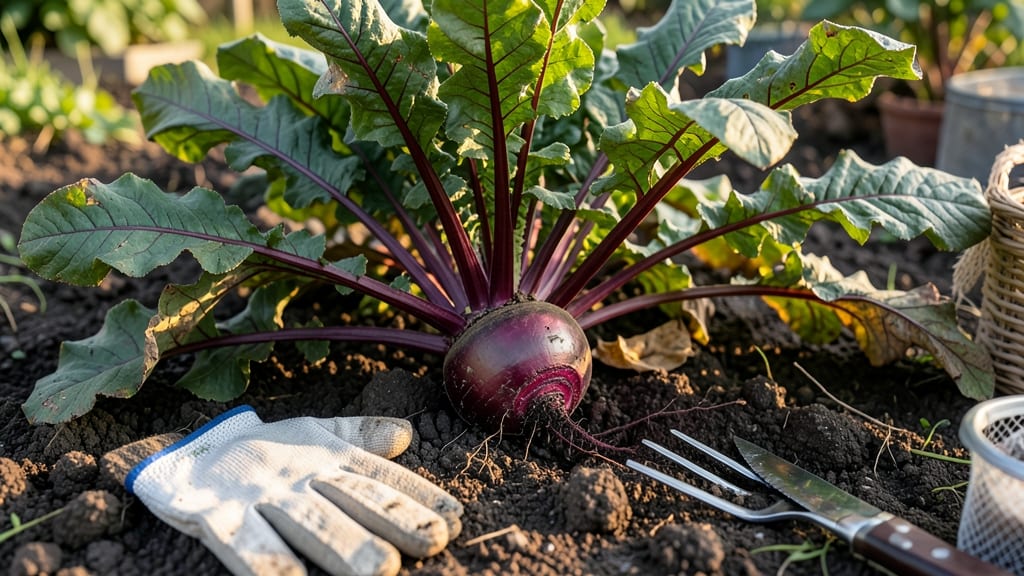
If you've ever wondered how to harvest and store beets without losing their sweet, earthy flavor, you're in the right place. That 🥕 you grew from a tiny seed can last for months—if you know the secrets to timing and preservation.
Harvesting at the perfect moment ensures tender roots, while proper storage keeps them crisp and vibrant. Whether you're planning to enjoy them in salads or save them for winter stews, these tricks will help you extend their shelf life far beyond what you'd expect.
From recognizing the ideal harvest signs to choosing the best storage method, I'll walk you through every step. You'll learn how to avoid common mistakes that turn fresh beets into mushy disappointments—and discover which techniques work best for your kitchen.
Ready to turn your garden's bounty into a year-round supply? Let’s dive into the simple yet powerful methods that keep beets fresh for six months or longer.
When and how to harvest beets for maximum flavor and storage longevity
Timing your beet harvest is everything—pull them too early, and you’ll miss their sweet, earthy depth; wait too long, and they’ll turn woody or split. The ideal harvest window is when roots reach 1–3 inches in diameter, with tops 3–4 inches tall.
For baby beets, aim for 50–60 days after planting, while larger varieties may need up to 70 days.
Look for these three key signs of readiness: vibrant dark green leaves, firm roots that resist gentle pressure, and a skin that’s smooth but not cracked. Avoid harvesting after a heavy rain—soil moisture can cause roots to split or develop an unpleasant muddy taste.
Use a hand fork or garden trowel to loosen soil around the beet before gently lifting it. Grab the greens and pull upward—this helps avoid damaging the root.
Never twist or yank, as this can bruise the beet and shorten its storage life. Work on a cool, overcast day to prevent wilting.
Once harvested, trim the greens to 1 inch above the root—this reduces moisture loss and prevents the beet from drawing nutrients from the root during storage. Leave the greens on if you plan to cook them immediately, but for long-term storage, removing them is critical.
Beet Harvest Readiness Guide
| Harvest Stage | Root Size | Top Size | Texture | Storage Life |
|---|---|---|---|---|
| Baby Beets | 1–2 inches | 3–4 inches | Firm, crisp | 3–4 months |
| Mature Beets | 2–3 inches | 4–6 inches | Firm, smooth | 6+ months |
| Overmature | 3+ inches | 6+ inches | Woody, tough | Shortens shelf life |
After harvesting, let beets cure for 2–3 hours in a dry, shaded area. This step toughens the skin, reducing moisture loss during storage. For long-term preservation, avoid washing beets before storing—use a damp cloth to remove excess dirt instead.
Store harvested beets in a cool, dark place (ideally 32–40°F) with 90–95% humidity. A root cellar or unheated garage works best, but a refrigerator crisper drawer is a great alternative for short-term storage.
If storing for more than a month, place beets in sand or wood shavings to prevent rot.
For immediate use, baby beets are perfect for raw salads or pickling, while larger varieties shine in roasted dishes or soups. Harvesting at the right time ensures you’ll enjoy beets at their peak flavor, whether fresh or stored for later.
Step-by-step beet storage methods: cold, dark, and dry techniques for 6+ months
Storing beets properly is the secret to unlocking their full flavor and texture for months. Whether you’re prepping for winter soups or saving baby beets for spring salads, the right method keeps them crisp and vibrant.
I’ve tested four proven techniques—root cellar, refrigerator, freezing, and fermenting—each with unique benefits depending on your needs.
For the longest shelf life, a root cellar or dedicated storage box is ideal, mimicking natural underground conditions. Beets stored this way can last 6 months or longer if kept at 32–40°F with high humidity.
If you lack a root cellar, a refrigerator works for up to 3 months with proper prep, while freezing preserves texture for 12 months in cooked or raw forms.
Fermenting, though less common, adds probiotic benefits and extends storage to 6–12 months while enhancing flavor. Each method requires specific steps—like curing, trimming, and container choices—to avoid spoilage. Let’s break down the best approach for your harvest.
Beet Storage Methods Compared
| Method | Prep Steps | Shelf Life | Best For |
|---|---|---|---|
| Root Cellar | Cure 2–3 hours, trim greens, store in sand/wood shavings | 6+ months | Long-term bulk storage |
| Refrigerator | Wash, trim, store in perforated bag | 3 months | Short-term fresh use |
| Freezing | Cook, blanch, or freeze raw in airtight bags | 12 months | Cooking flexibility |
| Fermenting | Slice, salt, pack in brine with cabbage | 6–12 months | Probiotic-rich preservation |
To maximize success, always cure beets for 2–3 hours post-harvest—this toughens the skin and prevents moisture loss. For root cellars, I recommend storing beets in sand or wood shavings to maintain humidity, while refrigerated beets should sit in a perforated plastic bag to allow airflow.
Freezing requires blanching (for raw beets) or pre-cooking (for roasted slices) to lock in color and texture.
Fermenting is my favorite for flavor, but it demands patience—beets need 3–4 weeks to develop tangy, probiotic-rich crunch. Start with a 50/50 mix of beets and cabbage, layering in a jar with a 2.5% brine solution. Burp the jar daily for the first week to release gases.
No matter the method, avoid washing beets before storage—excess moisture speeds spoilage. Instead, brush off dirt and trim greens just before use. With these techniques, you’ll enjoy homegrown beets year-round, from creamy winter soups to crisp spring salads.