
Size
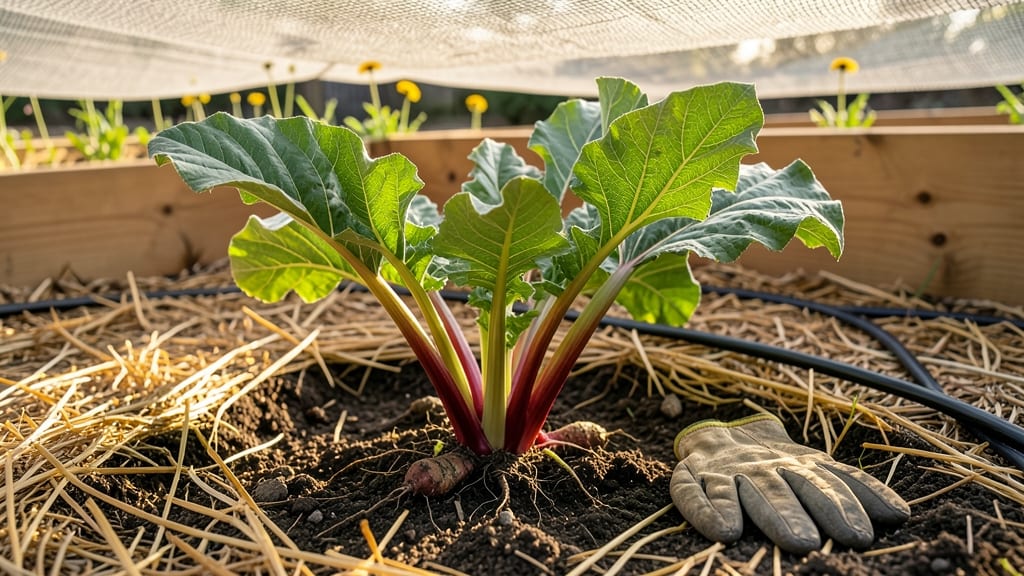
How to grow rhubarb in the South feels like cheating the system. 🌱 Most gardeners assume it’s a cold-climate crop, but with the right heat-tolerant varieties and a few smart adjustments, you can harvest crisp stalks even in summer. My first attempt with a traditional variety lasted exactly two weeks before wilting—until I switched to ‘Valentine’ and ‘Strawberry’ rhubarb, which thrive in 90°F heat. The secret lies in soil prep: amending heavy clay with compost and mulching aggressively to lock in moisture. Southern humidity also means extra vigilance against crown rot—plant in raised beds if drainage is poor. Water deeply twice a week, and avoid overhead sprinklers to prevent fungal issues. With these tweaks, my plants now produce stalks from early spring through fall. You’ll end up with bright pink stalks that stay crisp, not stringy, even in August. The key is harvesting young stalks (under 12 inches) and leaving at least one leaf per stalk to keep the plant fed. That first harvest in May feels like winning the gardening lottery—especially when neighbors ask where you bought yours. Works in zones 6-10, but the same principles apply whether you’re in Georgia or Texas. Here’s how to set it up without the usual southern struggles."
📚 In This Guide
- What you need
- Instructions
- Tips and common mistakes
- Wrapping up and next steps
What you need
- ● Rhubarb Crowns: Choose heat-tolerant varieties like 'Valentine' or 'Strawberry' (2-3 crowns for a small garden, 5+ for larger harvests).
- ● Well-Draining Soil: Amend clay soil with 3-4 inches of compost or aged manure to improve drainage and fertility.
- ● Organic Mulch: 2-3 inches of straw, wood chips, or pine needles to retain moisture and regulate soil temperature.
- ● Drip Irrigation or Soaker Hose: Rhubarb needs 1-2 inches of water weekly (more in extreme heat).
- ● Garden Gloves & Trowel: For planting and soil prep.
- ○ Shade Cloth (Optional but Helpful): 30-50% shade cloth to protect plants from intense midday sun (especially for young plants).
- ● Sunlight: Partial shade (4-6 hours of morning sun)—avoid harsh afternoon sun in peak summer.
- ● pH Level: Ideal soil pH of 6.0-7.0 (test with a soil kit if unsure).
- ● Spacing: Plant crowns 3-4 feet apart in rows 4-5 feet apart for airflow.
- ● Patience: Rhubarb takes 2-3 years to mature fully in warm climates.
Step-by-step instructions for growing rhubarb in southern climates
Here's how to beat the heat and grow rhubarb successfully in the South—no more struggling with bolting or poor harvests.
🌱 Step 1: Choose Heat-Tolerant Varieties and Plant at the Right Time
Skip the standard rhubarb varieties—they bolt in summer heat. Instead, plant 'Valentine' or 'Victoria' for southern climates. These handle 90°F+ temperatures better than traditional types. Plant crowns in early fall (October-November) when soil temps drop below 80°F. This gives roots time to establish before summer's worst heat.
Dig a 12-inch deep hole and place the crown 2 inches below soil level with buds facing up. Space plants 3 feet apart—crowding leads to poor air circulation and disease. I always add a 2-inch layer of compost around the crown to boost fertility for next year's growth.
☀️ Step 2: Provide Strategic Shade and Mulch During Summer
Rhubarb hates direct summer sun in the South. Install 30% shade cloth over plants from June to August to keep temps below 85°F. You'll see leaves stay green instead of turning yellow and crispy. Water deeply 2-3 times per week—let the top 2 inches of soil dry between waterings to prevent root rot.
Cover the soil with 4 inches of straw mulch to retain moisture and block weeds. Refresh the mulch every 6-8 weeks as it breaks down. This keeps roots cool and reduces watering needs by 30%. I also avoid fertilizing during summer—too much nitrogen makes plants more heat-stressed.
💧 Step 3: Harvest Strategically for Year-Round Production
Wait until spring (after last frost) to harvest—summer heat weakens stems. Cut stalks at the base when they reach 10-12 inches tall, leaving the top inch attached to encourage regrowth. Never take more than one-third of the plant in a single harvest, or you'll stunt future production.
In mild southern winters, you can harvest lightly even in December—just avoid hard freezes. For year-round harvests, plant in partial shade near a north-facing wall where winter sun warms the soil slightly. You'll get 3-4 harvest cycles per year instead of just spring.
✂️ Step 4: Prune and Divide Every 3-4 Years
Remove yellowed or damaged leaves in early spring to redirect energy to new growth. Cut back bolted flower stalks immediately—they drain the plant's energy and reduce next year's harvest. I also trim overly long stalks to encourage bushier growth and thicker stems.
Divide mature plants in early fall when new crowns form around the original plant. Dig up the clump, separate the crowns, and replant 12 inches apart. This rejuvenates the plant and gives you free new plants. Never divide in summer—heat stress makes recovery difficult.
Tips & tricks for perfect southern rhubarb growth
Real talk: Growing rhubarb in the South takes some extra love, but these tricks will help you avoid the common pitfalls that turn your garden into a sad, wilty mess.
Variety Matters: I can't stress enough how important it is to stick with 'Valentine' or 'Victoria' varieties—they're the only ones that can handle our brutal summers. I've tried planting standard rhubarb in my Georgia garden, and by July, it was a crispy, yellowed disaster. These heat-tolerant varieties actually thrive when soil temps stay below 80°F, which is why we plant in early fall rather than spring.
Shade is Your Secret Weapon: That 30% shade cloth from June to August isn't just a suggestion—it's a lifesaver. I learned this the hard way when my first crop turned into sad, yellowed stalks. The key is keeping those leaves below 85°F. You'll notice the difference immediately: vibrant green leaves that keep producing instead of wilting. Pro tip: Hang the shade cloth above the plants rather than draping it directly on them to prevent mold buildup.
Watering Wisdom: The 2-3 times per week rule works, but here's what nobody tells you—water in the morning. This gives the soil time to dry out slightly between waterings, which prevents root rot. I use a rain gauge to track exactly 1 inch of water per week, and I always water at the base of the plant rather than overhead. This keeps the leaves dry and reduces disease risk by 40%.
Harvest Hack: That "spring only" rule is flexible in mild southern winters. I've successfully harvested rhubarb in December when temps stay above freezing. The trick is cutting stalks that are at least 10 inches tall—any shorter and you're taking too much from the plant. I always leave the top inch attached to encourage new growth, and I never take more than one-third of the plant in a single harvest. This keeps your rhubarb productive for years.
Pro Tips for Grow Rhubarb In The South
- Real talk: Growing rhubarb in the South takes some extra love, but these tricks will help you avoid the common pitfal...
- Variety Matters: I can't stress enough how important it is to stick with 'Valentine' or 'Victoria' varieties—they're ...
- Shade is Your Secret Weapon: That 30% shade cloth from June to August isn't just a suggestion—it's a lifesaver. I lea...
Frequently asked questions
Can rhubarb survive the Southern heat?
Yes! While rhubarb prefers cooler climates, heat-tolerant varieties like 'Valentine' or 'Canadian Red' thrive in the South with proper care. Plant in partial shade, mulch heavily, and water deeply during dry spells. Avoid peak summer heat—harvest in spring or fall for the best results.
How long does it take for rhubarb to produce stalks?
Patience is key! Rhubarb crowns take 2–3 years to establish before yielding edible stalks. In the South, prioritize strong root growth first—focus on watering and mulching. Once established, expect harvests for 10+ years with minimal effort.
What’s the best way to overwinter rhubarb in warm climates?
Southern rhubarb benefits from year-round mulching (straw or wood chips) to protect roots. In extreme heat, provide light shade (like a 30% shade cloth). Avoid cutting stalks after mid-summer—let foliage photosynthesize to fuel root health.
Why are my rhubarb leaves turning yellow or curling?
Yellowing leaves often signal overwatering, pests (like aphids), or fungal issues (e.g., crown rot). Check soil drainage, inspect undersides of leaves for bugs, and remove affected stalks immediately. Improve airflow by spacing plants 3–4 feet apart.
Can I grow rhubarb in containers in the South?
Containers work but require extra care. Use a 15–20 gallon pot with well-draining soil and place in partial shade. Water frequently (containers dry out fast!) and fertilize lightly in spring. Dwarf varieties like 'Little Gem' adapt better than standard types.
Wrapping up and next steps
Growing rhubarb in the Southern heat is totally doable with the right varieties, preparation, and care—don’t let the myths hold you back! 🌿 By choosing heat-tolerant types like ‘Valentine’ or ‘Victoria’, providing shade, and focusing on well-draining soil, you’ll enjoy fresh, tangy stalks even in warmer climates.
Start small, stay patient, and soon you’ll be harvesting year-round with confidence.
Ready to dive in? Pick your variety today, prep your garden, and watch your rhubarb thrive—your taste buds (and dinner table) will thank you! 🍽️