
Propagation
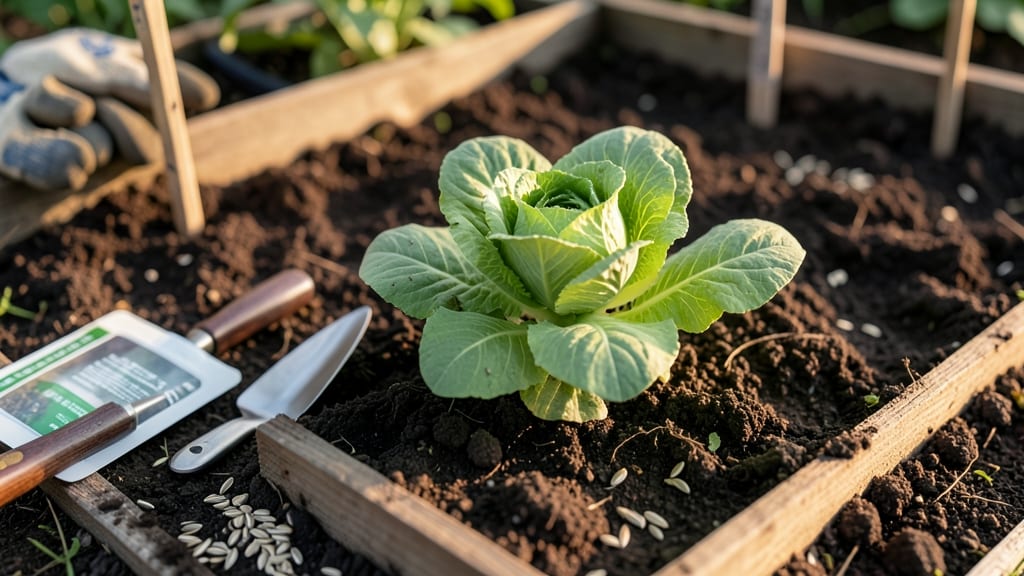
There’s nothing quite like the first crisp bite of homegrown Iceberg Lettuce 🥬—but how to grow Iceberg lettuce from seed isn’t as simple as tossing seeds in the dirt and hoping for the best.
With the right timing, soil, and care, you can harvest perfect heads in just 50 days, skipping the wilted disappointment of store-bought greens.
If you’ve ever struggled with leggy seedlings or bitter-tasting lettuce, you’re not alone. The key lies in understanding when to plant, how much sunlight your Iceberg Lettuce needs, and avoiding common pitfalls like bolting.
I’ll walk you through every step—from seed to harvest—so you can grow lettuce that’s crisp, sweet, and ready to eat.
Whether you’re a beginner or a seasoned gardener, mastering this process means fewer trips to the grocery store and more fresh salads straight from your garden. Let’s get those seeds sprouting and those heads forming like a pro.
Ready to transform your garden into a lettuce powerhouse? By the end, you’ll know exactly when to plant, how to keep your plants happy, and how to troubleshoot issues before they ruin your harvest. Let’s dive in!

Step-by-step Iceberg lettuce growing process from seed to harvest
Growing iceberg lettuce from seed is a rewarding process that yields crisp, fresh heads perfect for salads. The key lies in understanding the 50-day timeline and following precise steps from seed starting to harvest. Let’s break it down into actionable stages to ensure success.
First, choose high-quality seeds from a reputable supplier. Iceberg lettuce thrives in cool temperatures (50-70°F) and requires well-draining soil with a pH of 6.0-7.0. Start seeds indoors 6-8 weeks before your last frost date, or sow directly outdoors in spring or fall when soil temps are mild.
Step-by-Step Iceberg Lettuce Growing Timeline
- Weeks 1-2: Start seeds indoors in seedling trays with moistened potting mix (¼ inch deep). Keep soil consistently damp and place trays under grow lights or in a sunny window.
- Week 3: Thin seedlings to 1 plant per cell and provide 12-14 hours of light daily to prevent leggy growth. Harden off seedlings by exposing them to outdoor conditions for 1-2 hours/day starting Week 4.
- Week 5: Transplant seedlings outdoors after last frost date, spacing them 12-18 inches apart in rows 18 inches apart. Use shade cloth if temperatures exceed 75°F.
- Weeks 6-8: Maintain consistent moisture (1 inch per week) and mulch to retain soil moisture. Fertilize lightly with a balanced 5-10-10 fertilizer at planting and again after 4 weeks.
- Weeks 9-12: Monitor for bolting signs (tall stems, bitter leaves). Harvest outer leaves for baby lettuce or wait until heads are 4-6 inches wide for full-size lettuce.
When transplanting, focus on gentle handling to avoid damaging delicate roots. Choose a location with partial shade (4-6 hours of sunlight) to prevent bolting during hot weather. If your climate is warm, opt for late summer or fall planting to avoid heat stress.
During the growing season, prioritize even watering—never let soil dry out completely, but avoid soggy conditions that promote rot. Use a drip irrigation system or water in the morning to keep leaves dry and reduce fungal risks. Mulching with straw or compost helps retain moisture and suppress weeds.
Watch for pests like aphids or slugs and address them early with neem oil or diatomaceous earth. If your lettuce starts to bolt prematurely, shade it immediately and avoid fertilizing—high nitrogen speeds up bolting. With these steps, you’ll harvest crisp, sweet iceberg lettuce in just 50 days!
For fall harvests, plant seeds in late summer (August-September) to take advantage of cooler temperatures. Use row covers to extend the season and protect plants from early frosts. Always harvest in the morning when lettuce is at its crispest!
Pro tip: If your lettuce develops bitter flavors, it’s likely due to heat stress or drought. Increase shade and water consistently to restore sweetness. With patience and care, you’ll enjoy homegrown lettuce that rivals store-bought—without the chemicals!
Optimal soil mix and fertilization guide for Iceberg lettuce success
Iceberg lettuce thrives in loose, fertile soil with excellent drainage—poor soil is the #1 reason for bitter, stunted heads. Aim for a pH of 6.0-7.0 and avoid compacted clay, which suffocates roots. The right mix ensures crisp, sweet lettuce instead of tough, fibrous disappointment.
Start with a blend of 50% garden soil, 30% compost, and 20% perlite or vermiculite. This combo prevents waterlogging while retaining moisture. For containers, use a lightweight potting mix with added worm castings to boost nutrients without overwhelming young seedlings.
Fertilizer timing is critical. Feed with a balanced 5-10-10 NPK at planting, then again 4-6 weeks later to encourage leafy growth. Avoid high-nitrogen fertilizers after 6 weeks, as they trigger bolting—the enemy of crisp heads. Instead, switch to a low-nitrogen, high-phosphorus blend to promote root development.
| Soil Mix Type | Best For | Pros | Cons |
|---|---|---|---|
| Commercial Lettuce Mix | Quick starts, containers | Sterile, pre-fertilized | Expensive, limited nutrients |
| Homemade (Garden Soil + Compost + Perlite) | In-ground planting | Cost-effective, customizable | Requires pH testing |
| Potting Mix + Worm Castings | Containers, small spaces | Lightweight, nutrient-rich | Dries out faster |
For fall harvests, reduce fertilizer after August 1st to prevent late-season bolting. Instead, top-dress with compost tea every 2 weeks to provide gentle, organic nutrients. Mulch with straw or shredded leaves to retain moisture and suppress weeds—critical for maintaining that crisp texture we all love.
Remember: Over-fertilizing is worse than under-fertilizing. Too much nitrogen = bitter, tough lettuce. Stick to the feed-light-feed rule, and you’ll enjoy store-quality heads without the grocery store markup.