
How To
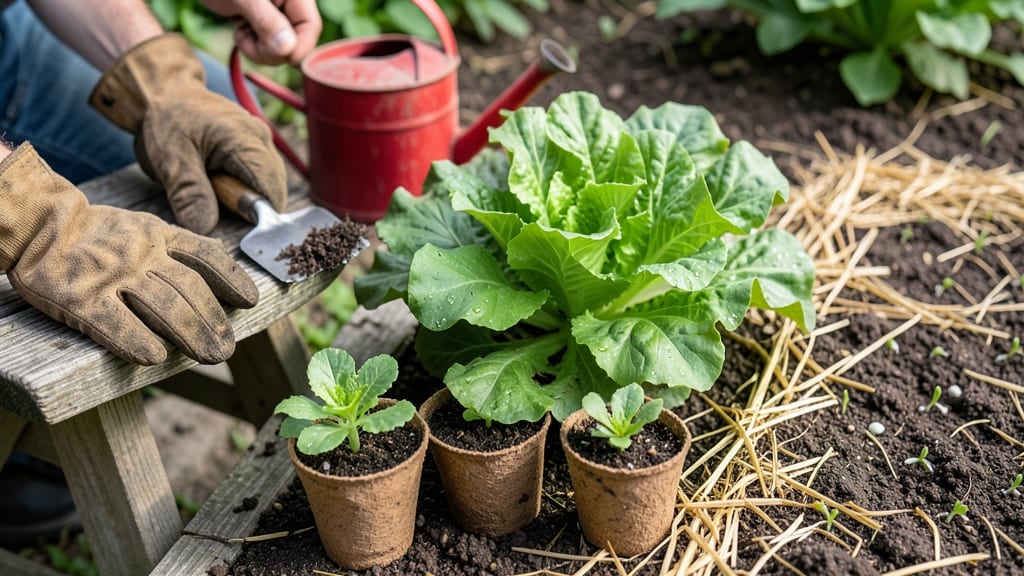
Fast-germinating lettuce varieties for quick harvests
Choosing the right lettuce varieties is the first step to a successful garden. For fast harvests under 30 days, focus on leaf lettuces and butterhead types, which mature quicker than romaine. My favorite heat-tolerant varieties like Jericho and Black Seeded Simpson thrive even when temperatures rise above 75°F.
If you're gardening in partial shade, opt for shade-friendly lettuces such as Salad Bowl or Arkansas Endurance. These varieties handle 3-4 hours of sunlight daily without bolting, perfect for container gardens or spots under trees.
Always check the seed packet germination rates—aim for 80%+ germination for reliable sprouts.
Here’s my top 5 fast-germinating lettuce varieties for different climates, including harvest timelines and ideal planting windows:
For spring planting, sow seeds 4-6 weeks before your last frost date. In fall gardens, aim for 8-10 weeks before the first frost to ensure a second harvest before winter. If you’re in a hot climate, use shade cloth to protect seedlings from intense afternoon sun.
Pro tip: Mix lettuce varieties in your garden to extend your harvest season. For example, plant Black Seeded Simpson (fast) alongside Little Gem (slower) to enjoy continuous harvests from early spring to late fall. Always store seeds in a cool, dry place to maintain viability for next year’s garden.
When selecting seeds, prioritize organic, non-GMO options if you prefer chemical-free gardening. Many seed companies, like Baker Creek Heirloom Seeds or Johnny’s Selected Seeds, offer heat-tolerant and shade-friendly varieties perfect for beginners. Start with 2-3 varieties to test what grows best in your microclimate.
Remember, lettuce thrives in cool weather—avoid planting during peak summer heat (above 80°F), as it’ll bolt quickly. Instead, focus on spring and fall plantings for the best results. With the right varieties and timing, you’ll be enjoying homegrown salads in just 30 days
Step-by-step guide to planting lettuce in containers or garden beds
Ready to plant your lettuce? Start by selecting a location with 4-6 hours of sunlight—even partial shade works for heat-tolerant varieties. Containers or garden beds both work well, but ensure they have well-draining soil to prevent root rot.
I recommend adding a 2-3 inch layer of compost to enrich the soil before planting.
For container gardening, choose pots at least 6-8 inches deep with drainage holes. Fill them with a mix of potting soil and compost (70/30 ratio). If planting in garden beds, loosen the top 12 inches of soil and remove any weeds or rocks.
Lettuce thrives in cool temperatures (50-75°F), so avoid planting during extreme heat.
Here’s how to plant your lettuce seeds or transplants for maximum success:
Once your lettuce is planted, consistency is key. Water early in the morning to reduce evaporation and fungal risks. Avoid overhead watering at night, as damp leaves can attract pests. If you notice yellowing leaves, it’s often a sign of overwatering or poor drainage.
For container gardens, I’ve found that adding a slow-release fertilizer at planting time gives seedlings a nutrient boost without overloading them. In garden beds, a light application of compost tea every 4-6 weeks keeps plants healthy and productive.
With these steps, you’ll be harvesting crisp, homegrown lettuce in as little as 30 days—perfect for salads, sandwiches, or sharing with neighbors! 🥬