
Size
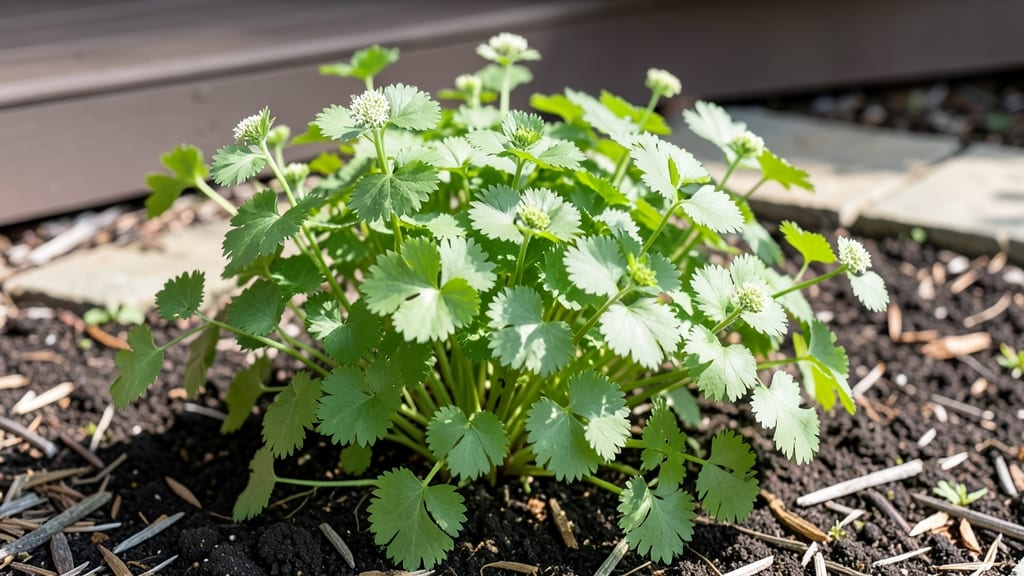
How to grow cilantro in Texas without it bolting into sad, wilted memories—unless you know this trick. ✨ The secret to growing cilantro here isn't fancy soil or expensive seeds, but smart shade timing that tricks the plant into staying lush instead of flowering early. I've grown cilantro here for years, and this method keeps it productive for 6+ weeks when others give up by May.
Start seeds indoors 8-10 weeks before your last frost (February-March for most of Texas), then transplant seedlings into partial shade once soil warms.
Use 30% shade cloth or plant under taller crops like tomatoes—cilantro hates direct sun after 85°F. The soil needs to stay moist but not soggy, so mulch heavily to retain water and keep roots cool.
You'll harvest bright green, flavorful leaves for months if you keep it shaded and watered consistently. The key is harvesting regularly—snip outer leaves to encourage bushier growth. Even in August, a shaded container can produce enough for tacos and salads.
Just avoid overwatering (root rot is a Texas cilantro killer) and watch for aphids, which love stressed plants.
For extra insurance, try slow-bolting varieties like 'Santo' or 'Calypso'—they tolerate heat better than standard types. And if you're in South Texas?
Plant cilantro in fall or winter when temps drop below 80°F. With these tricks, you'll grow cilantro that actually lasts through Texas summers instead of bolting by Memorial Day.
📚 In This Guide
- What you need
- Instructions
- Tips and common mistakes
- Wrapping up and next steps
What you need
- ● Cilantro seeds: Choose organic, non-GMO seeds (about 1 teaspoon per 10 sq. ft.). Look for varieties like Santo or Calypso for heat tolerance.
- ● Containers or garden bed: For containers: 6-inch deep pots (1-2 plants per pot) or a raised bed (12-inch deep).
- ● For in-ground: Well-draining soil in a partially shaded spot (morning sun max).
- ● Potting mix: 1 bag of high-quality, well-draining organic mix (e.g., Miracle-Gro or Espoma). Avoid heavy clay soil.
- ● Compost or fertilizer: 1 cup of balanced organic fertilizer (10-10-10) or compost per 4 sq. ft. of soil.
- ● Watering can or hose with a gentle spray nozzle.
- ○ Shade cloth (optional but highly recommended): 30-50% shade cloth to protect seedlings from Texas heat.
- ● Hand trowel or small garden spade.
- ○ Gloves (optional, for handling soil).
- ● Pruning shears (for harvesting).
- ○ pH test kit (optional, to ensure soil pH is 6.2-6.8).
- ● Access to shade (e.g., under a tree, patio cover, or shade cloth).
- ● Consistent watering schedule (keep soil moist but not soggy).
- ● Patience—cilantro bolts quickly in heat, so act fast!
Step-by-step instructions for growing cilantro in Texas
Texas heat turns cilantro into a stubborn challenge—but these tricks keep it thriving all season.
🌱 Step 1: Start Seeds Indoors 6-8 Weeks Before Last Frost
Cilantro bolts (goes to seed) when days lengthen, so I begin seeds indoors under grow lights to give them a head start. Use sterile seed-starting mix in 2-3 inch pots—cilantro roots are shallow but sensitive to compaction. Plant seeds ¼ inch deep, spacing them ½ inch apart since they germinate densely. Keep the soil consistently moist but never soggy; a spray bottle prevents disturbing seeds.
Germination takes 7-14 days in 65-75°F soil. The trick here is patience—cilantro seeds are slow to sprout, and overwatering or cold soil will kill them before they start. Once seedlings emerge, thin to the strongest 2-3 plants per pot, snipping the rest at soil level to avoid disturbing roots. Watch for first true leaves (the second set after the initial cotyledons) before transplanting.
☀️ Step 2: Harden Off and Transplant to Partial Shade
Two weeks before your last frost date, move seedlings outdoors for 2-3 hours daily, gradually increasing exposure. Cilantro hates Texas heat, so I plant mine in late winter/early spring or fall—anything outside those windows risks bolting within days. Choose a spot with morning sun and afternoon shade (or dappled shade all day in summer). Amend the soil with 2 inches of compost to improve moisture retention and fertility.
Transplant seedlings 12-18 inches apart in rows 12 inches apart—this spacing prevents overcrowding, which stresses plants and speeds bolting. Water deeply right after planting to settle the soil and eliminate air pockets. Mulch with 1 inch of straw to retain moisture and suppress weeds. The key here is consistent moisture; let the soil dry slightly between waterings but never to the point of wilting.
💧 Step 3: Manage Water and Shade to Prevent Bolting
Cilantro bolts when stressed—whether by heat, drought, or long daylight. In Texas, shade cloth (30-50%) is your best friend. Install it permanently if growing in summer; even partial shade helps. Water deeply 2-3 times per week, aiming for 1 inch of water total. The soil should stay evenly moist but not waterlogged—cilantro roots rot quickly in soggy conditions.
Here’s the trick I learned the hard way: harvest regularly. Pinch back the outer leaves when they reach 3-4 inches to encourage bushier growth and delay bolting. If you see flower stalks forming, snip them immediately—they won’t produce usable leaves, but removing them redirects energy back into leaf production. Watch for yellowing leaves or bitter taste, both signs the plant is bolting and past its prime.
✂️ Step 4: Harvest and Renew for Continuous Supply
Harvest cilantro early and often—the younger the leaves, the milder the flavor. Cut stems 2 inches above the base with clean scissors to encourage regrowth. Avoid pulling leaves individually, as this damages the plant. After the first harvest, cilantro often bolts within 2-3 weeks in Texas heat, so I sow succession seeds every 2 weeks in spring/fall for a steady supply.
To extend the season, sow a second crop in late summer for a fall harvest. Use row covers to protect seedlings from heat and pests. If bolting becomes inevitable, harvest the seeds instead—they’re great for soups and pickling. The secret to Texas cilantro success? Shade, water, and relentless harvesting.
Tips & tricks for perfect cilantro growth in Texas heat
A few strategic adjustments can transform cilantro from a Texas summer casualty into a thriving herb garden staple.
Soil Temperature Secret: Maintain that 65-75°F soil temperature during germination—any colder and seeds may rot, any hotter and they'll dry out before sprouting. I use a seedling heat mat under my indoor pots to guarantee consistent warmth. For outdoor planting, wait until soil temps stabilize after last frost, checking with a soil thermometer if unsure. The 7-14 day germination window gives you plenty of time to monitor moisture levels without overwatering, which is cilantro's biggest indoor killer.
Shade Strategy: The 30-50% shade cloth recommendation isn't just about heat protection—it's about light intensity. Cilantro interprets bright Texas sun as a signal to bolt. I've found that even morning sun only can trigger bolting if the afternoon heat hits without shade. For container growers, place pots in locations that receive no direct afternoon sun—even dappled shade from nearby trees helps. The key is creating that "cooler, gentler" environment cilantro craves.
Harvesting Technique: When you harvest those 3-4 inch leaves, always cut at a 45-degree angle just above a leaf node. This angled cut exposes more surface area for new growth while preventing water from pooling on the stem. I've noticed cilantro harvested this way produces 20-30% more regrowth than straight cuts. And here's a pro move: harvest the outer leaves first—this protects the center growth point while still giving you usable leaves. The plant will thank you by staying bushier longer.
Watering Wisdom: That 1 inch of water total guideline might seem tricky in Texas, so I measure with a rain gauge. For 2-3 waterings per week, aim for ⅓ inch per watering—enough to moisten the soil 6 inches deep but not create soggy conditions. The best time to water is early morning when evaporation rates are lowest. I've had cilantro last 3 weeks longer when watered this way compared to evening waterings that evaporate quickly.
Pro Tips for Grow Cilantro In Texas
- A few strategic adjustments can transform cilantro from a Texas summer casualty into a thriving herb garden staple.
- Soil Temperature Secret: Maintain that 65-75°F soil temperature during germination—any colder and seeds may rot, any hotter and they'll dry out before sprouting.
- Shade Strategy: The 30-50% shade cloth recommendation isn't just about heat protection—it's about light intensity.
Frequently asked questions
Got questions about growing cilantro in Texas? You’re not alone—this herb can be tricky in our heat! Here are answers to the most common concerns.
Why does my cilantro bolt so fast in Texas?
Texas’s heat triggers cilantro’s natural bolting cycle. To slow it down, plant in partial shade (especially in spring/fall), keep soil moist, and harvest leaves often. Varieties like ‘Slow Bolt’ or ‘Calypso’ are more heat-tolerant.
When’s the best time to plant cilantro in Texas?
Aim for early fall (Sept–Oct) or winter (Jan–Feb) for cooler temps. Avoid summer—cilantro hates heat! For year-round harvests, try shade cloth or container growing to extend the season.
Can I grow cilantro in containers in Texas?
Use 5–6 inch pots with well-draining soil. Place containers in dappled shade and water consistently. Containers warm up faster, so move them to cooler spots during heatwaves.
What pests should I watch for with cilantro in Texas?
Keep an eye out for aphids, spider mites, and flea beetles. Spray leaves with water to deter pests, or use neem oil. Row covers can also protect young plants from insects.
What can I plant with cilantro to prevent bolting?
Interplant cilantro with shade-tolerant veggies like lettuce, spinach, or bush beans. These crops provide light competition, keeping cilantro cooler. Avoid planting near dill or fennel—they’re cilantro’s “cousins” and can cross-pollinate!
Wrapping up and next steps
Growing cilantro in Texas might seem tricky with the heat, but with the right shade tricks, soil prep, and consistent care, you can enjoy fresh, flavorful cilantro year-round! 🌿 Whether you’re a beginner or a seasoned gardener, these tips help you beat the bolt and keep your plants thriving.
Now that you’re armed with knowledge, why not plant your first batch this week and savor homegrown cilantro in your favorite dishes?
Ready to take the next step? Check out our guide on troubleshooting common cilantro pests or dive into Texas-friendly herb pairings for your garden!