
How To
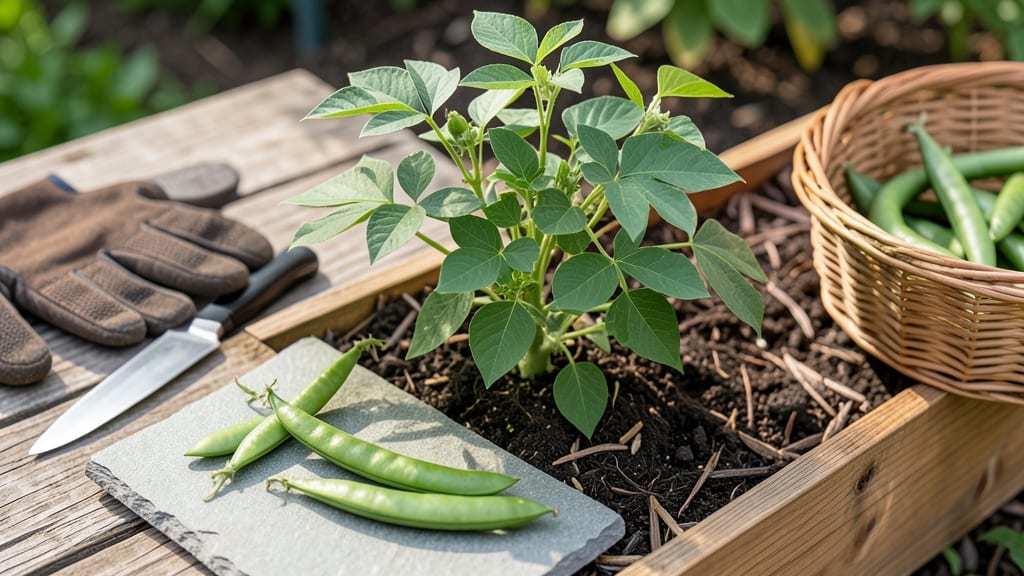
How to know when bush beans 🌱 are ready to harvest can make the difference between a garden full of crisp, delicious pods and a disappointing batch of tough, stringy beans. The secret lies in paying attention to simple but critical visual cues and timing—because even a day too early or late can ruin the flavor and texture you’ve been waiting for.
Most gardeners rely on two foolproof methods: the snap test and checking pod size and color. A quick bend should produce a satisfying snap—if it doesn’t, your beans need more time.
Meanwhile, the right size (typically 4-6 inches) and vibrant hue (green or speckled, depending on the variety) are dead giveaways that your harvest window has arrived.
But it’s not just about what you see—environmental factors like heat and humidity can also throw off your timing. Too much sun or rain might speed up maturity, while cooler weather could delay it.
Learning to read these signals ensures you never miss the peak moment when your beans are at their best.
In this guide, I’ll walk you through the exact steps to identify perfectly ripe bush beans, plus common mistakes to avoid. By the end, you’ll be harvesting like a pro—no guesswork required.
The snap test method: how to check bush bean maturity with sound
Mastering the bush bean snap test is the fastest way to determine if your pods are ready for harvest. This simple sound-based method works for all varieties, from Blue Lake to Romano beans.
The key is applying just the right amount of pressure while listening for that satisfying crisp break—not a dull thud or a rubbery snap.
Start by selecting a pod that looks mature—typically 4-6 inches long—and hold it firmly between your thumb and forefinger. Apply gentle pressure near the middle of the pod until it bends.
A ready-to-harvest bean will snap cleanly with a sharp, crisp sound, almost like a green twig breaking. This indicates the pod’s cell structure is at peak tenderness.
Visual Element: Step-by-Step Snap Test Guide
Step-by-Step Snap Test for Bush Beans
- Select a pod: Choose a 4-6 inch pod with vibrant color.
- Hold firmly: Grip near the middle of the pod with thumb and forefinger.
- Apply pressure: Bend gently until it snaps (not bends slowly).
- Listen for sound: Crisp snap = ready. Dull thud = overripe.
- Check seeds: If seeds are plump but not hard, it’s perfect.
If the pod bends without snapping or makes a rubbery noise, it’s underripe and needs more time on the vine. Conversely, if the pod shatters easily or the seeds feel hard and fully formed, you’ve missed the window—these beans will be woody and bland.
The snap test works best in cool mornings when pods are firmest.
Common mistakes include testing too hard (which can bruise the pod) or ignoring seed development. Always peek inside after snapping: the seeds should be visible but not filling the pod.
For speckled varieties, like Blue Lake, the speckles will darken as the pod matures—use this as a secondary cue alongside the snap test.
For container-grown beans, the snap test is even more critical since space is limited. Harvesting at the right time encourages continuous production for up to 6-8 weeks per plant. If you’re unsure, err on the side of harvesting slightly early—beans taste best when picked young and firm.
Proper technique also prevents plant stress. Always use clean, sharp harvesting shears or snip just above a leaf node to avoid damaging the vine. This ensures the plant keeps producing new pods without wasting energy on healing wounds.
In hot climates, beans may mature faster, so test pods every 2-3 days during peak heat. Conversely, in cooler regions, pods may take longer to reach snap readiness—don’t rush the process. Patience pays off with sweeter, more flavorful beans.
Once you’ve mastered the snap test, you’ll never again guess whether your bush beans are ready. This method works for green beans, wax beans, and even yellow wax beans, making it a universal tool for any bean enthusiast.
Bush bean color and size guide: visual clues for harvest timing
Bush beans reveal their readiness through subtle but unmistakable visual cues. The pod color and size are your first clues—each variety has its own ideal harvest window.
For Blue Lake beans, look for pods that are 4-6 inches long and a vibrant green hue, while Romano beans mature slightly later with a speckled or yellowish tint. Pay attention to these details to avoid missing the peak flavor.
Pod size is a critical indicator—under 3 inches means they’re too young, while 6+ inches signals overmaturity. Aim for pods that are plump but not swollen, as swollen pods often mean the seeds inside are too large, making the beans tough and stringy.
This balance ensures the best texture and taste.
Next, examine the pod color. Most bush beans start as light green and darken as they mature. For example, Blue Lake beans should be a deep, uniform green, while Wax beans turn a creamy yellow.
If you notice fading or yellowing on the pods, it’s a sign they’ve passed their prime and are ready to be picked before they toughen.
| Variety | Pod Color | Ideal Size | Harvest Time |
|---|---|---|---|
| Blue Lake | Deep green | 4-6 inches | 50-60 days |
| Romano | Speckled or yellow | 5-7 inches | 55-65 days |
| Wax Beans | Creamy yellow | 5-6 inches | 50-60 days |
| Kentucky Wonder | Dark green | 6-8 inches | 60-70 days |
Don’t overlook the seed visibility inside the pod. At the perfect harvest stage, seeds should be plump but not fully formed. If you can see large, round seeds through the pod’s skin, it’s time to pick.
Overlooking this detail can lead to woody pods that are unpleasant to eat. Check a few pods from different plants to ensure consistency in maturity.
Finally, consider the environmental conditions when evaluating visual cues. Hot, dry weather can accelerate maturity, while cool, damp conditions may slow it down. Adjust your harvest schedule accordingly—beans in hot climates may need picking earlier to avoid toughness. Always prioritize freshness over waiting for the "perfect" size.
By mastering these visual clues, you’ll consistently harvest bush beans at their peak flavor and crispness. Keep an eye out for these signs, and your garden will reward you with a steady supply of delicious, homegrown beans all season long. 🌱