
Size
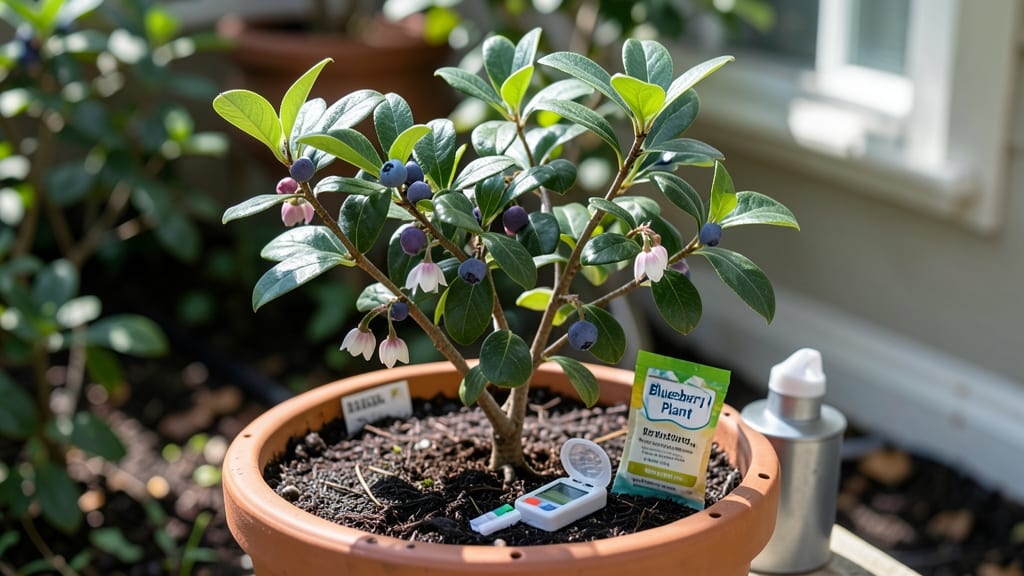
How to grow blueberries inside means sweet harvests anytime—no frost, no waiting for spring. 🌿 I’ve turned my kitchen windowsill into a mini blueberry patch, and the key isn’t fancy setups but matching their needs: acidic soil, bright light, and just the right humidity. My first batch surprised me with dozens of berries in just 6 months, and the process is simpler than you’d think.
The real secret? A 5-gallon container with drainage, a mix of peat moss and pine bark, and a grow light that mimics sunlight. Blueberries hate alkaline soil—so we’ll keep the pH between 4.5 and 5.5 with a little sulfur or citric acid.
Watering’s the trickiest part: keep the soil moist but never soggy, or you’ll invite root rot faster than you can say “overwatered.”
By summer, you’ll be harvesting berries that taste richer than anything from the store. The plants stay compact, so they’re perfect for apartments or sunrooms. Pollination’s easy—just brush the flowers with a soft paintbrush or add a small fan to the setup. No bees? No problem.
Fair warning: Blueberries are picky, but once you nail the basics, they’re foolproof to grow year after year. The first year’s a learning curve, but after that? You’ll have a steady supply of antioxidants and sweetness, no matter the season. Let’s get those containers ready!
📚 In This Guide
- What you need
- Instructions
- Tips and common mistakes
- Wrapping up and next steps
What you need
- ● Blueberry plants: 1–3 dwarf or patio blueberry bushes (choose low-chill varieties like 'Top Hat,' 'Peach Sorbet,' or 'Bluecrop' for indoor success).
- ● Organic or bare-root plants (check local nurseries or online garden centers).
- ● Containers: 1–3 large pots (15–25 gallons each) with drainage holes (or a 5-gallon fabric grow bag for flexibility).
- ○ Self-watering planters (optional but ideal for consistency).
- ● Soil: 5–10 gallons of acidic, well-draining potting mix (pH 4.5–5.5). Mix 50% peat moss or coconut coir, 30% perlite/pumice, and 20% compost.
- ● Sulfur or sphagnum peat moss (to adjust pH if needed).
- ● Fertilizer: Balanced organic fertilizer (e.g., 10-10-10 or fish emulsion) OR acid-loving plant fertilizer (like Miracle-Gro Azalea/Camellia).
- ● Slow-release granules (apply at planting and mid-season).
- ● Tools & Extras: Pruning shears (sterilized with rubbing alcohol).
- ● pH test kit (digital or liquid strips).
- ● Spray bottle (for misting leaves).
- ○ Grow lights (full-spectrum LED, 12–16 hours/day; optional but critical for winter months).
- ● Thermometer/hygrometer (to monitor humidity/temp, ideal: 60–80°F).
- ● 🌡️ Start with healthy plants—avoid root-bound or diseased specimens.
- ● ✨ Use a saucer or tray under pots to catch runoff (prevents root rot).
- ● 🔄 Rotate containers weekly for even light exposure (if using grow lights).
- ● 💧 Mulch with pine needles (free from landscapers!) to retain acidity and moisture.
Step-by-step instructions for growing blueberries indoors
Here's how I turn tiny containers into thriving blueberry bushes—no frost, no fuss.
🪴 Step 1: Choose the Right Container and Acidic Soil Mix
Start with a 5-gallon container (minimum) for each plant—blueberries need room for roots to spread. I use unglazed terra cotta pots because they wick away excess moisture, preventing root rot. Fill the bottom 2 inches with coarse gravel for drainage—this is non-negotiable, as waterlogged roots will kill your plant.
Next, mix equal parts peat moss, perlite, and well-draining potting soil. Blueberries demand acidic soil (pH 4.5-5.5)—test your mix with a pH meter. If it's too alkaline, add sulfur granules (follow package instructions). Moisten the mix until it feels like a wrung-out sponge—damp but not dripping.
🌱 Step 2: Plant Your Blueberry Bush and Set Up Fertilizer
Dig a hole twice as wide as the root ball but only as deep as the container's original soil line. Gently loosen the roots of your dwarf blueberry bush (Southern Highbush varieties work best indoors) and place it in the hole. Fill around the roots with your acidic mix, pressing lightly to remove air pockets. The plant should sit 1 inch below the container rim—this prevents soil from spilling when you water.
After planting, sprinkle slow-release acid-loving plant fertilizer (like Osmocote for Azaleas) around the base. Water deeply until it drains from the bottom hole. I like to fertilize every 3 months in winter and monthly in spring/summer—blueberries are heavy feeders, but too much fertilizer burns roots.
☀️ Step 3: Position for Bright, Indirect Light and Control Humidity
Blueberries need 6-8 hours of bright, indirect light daily. A south-facing window works, but I supplement with a full-spectrum LED grow light (12-16 inches above the plant) for 14 hours a day. Too little light = tiny, weak berries. You’ll know your plant is happy when new leaves are dark green and glossy—pale or yellow leaves mean it’s starving for light.
Humidity is key—blueberries thrive in 50-70% humidity. Place the pot on a pebble tray filled with water (keep pebbles above waterline) or use a small humidifier nearby. Mist the leaves daily in winter (when indoor air gets dry). Watch for brown leaf tips—that’s a sign the air is too dry.
💧 Step 4: Water Smartly and Prune for Shape
Water when the top 1-2 inches of soil feel dry—stick your finger in to check. Blueberries hate soggy soil but also can’t handle drought. Water until it runs freely from the drainage hole, then empty the saucer. In winter, I water every 5-7 days; in summer, every 3-4 days. Overwatering is the #1 killer—yellow leaves or mushy stems mean you’re drowning the roots.
Prune in late winter (before new growth starts) to shape the bush and encourage fruit production. Cut back dead or crossing branches with clean sterilized scissors, leaving 3-4 buds per stem. I also trim overly long branches to maintain a compact shape—blueberries grow leggy indoors if unchecked. Prune after harvest to remove spent fruit stems.
⏰ Step 5: Pollinate and Harvest Year-Round
Most indoor blueberry varieties are self-pollinating, but I still gently shake the branches daily to encourage pollinators (even indoors!). If you notice small, misshapen berries, hand-pollinate with a soft paintbrush—dust the stamens of one flower onto the pistils of another. Blueberries need cross-pollination for full-sized fruit.
Harvest when berries are deep blue and slightly soft to touch—they won’t ripen further off the bush. Pick in the morning for the best flavor. Store in the fridge for up to 2 weeks. First-year plants may not fruit, but second-year bushes can yield 1-2 pints per plant if cared for properly. Save seeds from your best berries for next year’s crop!
Tips & tricks for perfect indoor blueberry growth
Here's what nobody tells you about keeping your container-grown blueberries thriving year-round.
Container Size Matters: That 5-gallon minimum container is non-negotiable for dwarf varieties, but I always add a second 2-inch layer of gravel at the bottom for extra drainage. Blueberries hate soggy roots, and this prevents any chance of waterlogging. If you're using a larger container, make sure it has drainage holes—no exceptions!
Light is Everything: The 6-8 hours of bright, indirect light is your baseline, but I've found that positioning your plant 12-14 inches from a south-facing window during winter months makes all the difference. If you notice leaves stretching toward the light (called etiolation), it's time to supplement with that grow light for those extra 14 hours. Trust me, weak light = tiny berries.
Soil pH is Critical: I can't stress this enough—blueberries demand that pH 4.5-5.5 range. If your mix tests higher, don't just add sulfur granules and hope for the best. I recommend testing again after 2 weeks and reapplying if needed. The right pH makes all the difference between thriving bushes and struggling plants.
Pruning Strategy: When you're pruning in late winter, focus on removing any branches that are thinner than a pencil. These won't produce quality fruit and just take energy from your plant. I also make sure to cut back any branches growing toward the center of the plant—this opens up the bush for better air circulation and light penetration.
Pro Tips for Grow Blueberries Inside
- Here's what nobody tells you about keeping your container-grown blueberries thriving year-round.
- Container Size Matters: That 5-gallon minimum container is non-negotiable for dwarf varieties, but I always add a sec...
- Light is Everything: The 6-8 hours of bright, indirect light is your baseline, but I've found that positioning your p...
Frequently asked questions
Got questions about growing blueberries indoors? You're not alone! Here are some of the most common concerns—plus straightforward answers to help you succeed.
Can I grow blueberries indoors year-round?
With the right setup—like a sunny window, grow lights, and acidic soil—you can enjoy fresh blueberries anytime. Just ensure your plants get 6–8 hours of light daily and maintain temperatures between 60–80°F. Winter or summer, your berries won’t know (or care) they’re indoors!
How long does it take for indoor blueberries to bear fruit?
Patience is key! Dwarf varieties (like ‘Top Hat’ or ‘Peach Sorbet’) may produce berries in 1–2 years, while standard plants can take 2–3 years. Focus on consistent care—watering, fertilizing, and pruning—during the first year to set the stage for a bountiful harvest.
Why are my indoor blueberry leaves turning yellow?
Yellow leaves usually signal overwatering, poor drainage, or pH issues. Blueberries thrive in acidic soil (pH 4.5–5.5). Check your soil mix, ensure pots have drainage holes, and avoid soggy roots. A chelated iron supplement can also help if chlorosis (yellowing between veins) appears.
Can I use regular potting soil for blueberries?
Nope! Regular potting soil is too alkaline. Blueberries need acidic, peat-based mixes (or a blend with pine bark and sand). Pre-mixed blueberry-specific soil is ideal, or amend regular soil with sulfur or peat moss. Pro tip: Test your soil’s pH with a kit to keep it in the sweet spot!
What’s the best indoor container size for blueberries?
Start with a 5–7 gallon pot for dwarf varieties (12–18" deep) to allow root growth. Larger pots (10+ gallons) work for standard plants but may need weighted bases to stay stable. Ensure containers have drainage holes—blueberries hate wet feet!
Wrapping up and next steps
Growing blueberries indoors isn’t just possible—it’s a rewarding way to enjoy fresh, homegrown berries year-round!
With the right container, soil, and care, you’ll be harvesting sweet, plump blueberries in no time. 🌱 Whether you’re a seasoned gardener or a beginner, this method proves that even small spaces can yield big rewards.
Ready to take the next step? Start by selecting your favorite blueberry variety and gathering your supplies. Then, dive in and watch your indoor garden thrive—one berry at a time! 💙