
Size
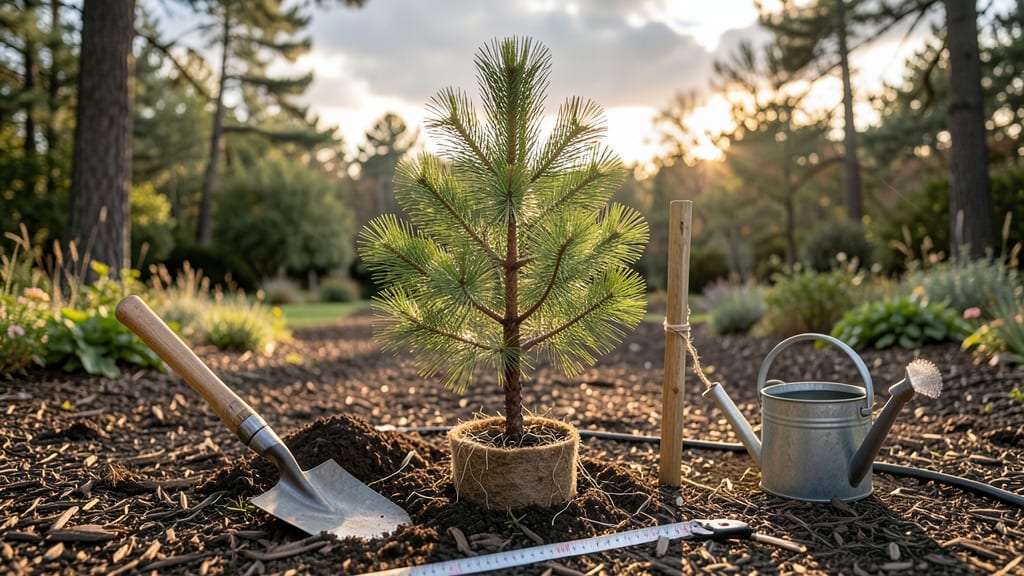
How to grow a redwood means bringing a 300-foot giant into your landscape—yes, really. 🌲 I planted my first redwood sapling five years ago, and though it’s still small, the promise of that towering silhouette in my backyard keeps me dreaming big. These trees aren’t just plants; they’re living monuments that’ll outlast us all.
Redwoods need cool, coastal climates—think foggy mornings and mild summers. Coastal redwoods (Sequoia sempervirens) handle humidity better, while giant sequoias (Sequoiadendron giganteum) crave drier, mountainous air.
Your soil should drain well but stay moist, like a damp forest floor. And space? Plan for at least 20 feet of clearance—these trees aren’t shrinking anytime soon.
Start with a 2-3 year old sapling (they’re tougher than seedlings) and plant it in late fall or early spring. Water deeply once a week for the first year, then ease up as roots establish.
Prune only to remove dead branches—redwoods don’t like heavy trimming. Patience is key; growth is slow but steady, like watching a skyscraper rise from a seed.
Challenges? Yes—space, time, and occasional pest issues (like bark beetles). But the payoff? A living legacy that future generations will marvel at. If you’ve got the room and the decades-long commitment, there’s nothing quite like it. Let’s get those roots growing!
📚 In This Guide
- What you need
- Instructions
- Tips and common mistakes
- Wrapping up and next steps
What you need
- ● Redwood Seedlings or Saplings: 1–3 healthy, nursery-grown redwood seedlings (3–6 ft tall for faster growth)
- ● Species: Coast Redwood (Sequoia sempervirens) for milder climates or Giant Sequoia (Sequoiadendron giganteum) for drier areas
- ● Soil Amendments: 5–10 lbs of well-draining, acidic soil mix (pH 5.0–6.5)
- ● 2–3 lbs of organic compost or peat moss
- ● 1 lb of sulfur (to lower pH if needed)
- ● Planting Supplies: 1 large planting hole (3x3x3 ft deep)
- ● Mulch (3–4 inches of wood chips or bark)
- ● Watering Tools: Garden hose with soaker hose attachment (or drip irrigation)
- ● 5–10 gallons of water storage (for deep watering)
- ● Soil moisture meter (to monitor water levels)
- ● Fertilizer (balanced 10-10-10 or acid-loving plant formula)
- ● Erosion control fabric (for sloped planting areas)
- ● Windbreak (if planting in exposed areas)
Step-by-Step instructions for cultivating coastal redwoods
Growing these towering trees requires patience and precise conditions—but the results are worth every effort.
🌱 Step 1: Select the Right Redwood Variety for Your Climate
Coastal redwoods (Sequoia sempervirens) thrive in USDA zones 7-10, with mild winters and high humidity. For smaller yards, consider dwarf varieties like 'Pendens' or 'Adpressa' that reach 20-30 feet instead of 300+. If you're in a colder zone, opt for Dawn Redwood (Metasequoia glyptostroboides), which tolerates down to zone 4 but requires acidic, moist soil.
Real talk: Redwoods need space. Even dwarf varieties need 15-20 feet of clearance from structures and other trees. Measure your yard before buying—you won’t want to relocate a 50-foot tree in 20 years. I always sketch the mature tree outline in chalk to visualize its final footprint.
🪴 Step 2: Prepare the Planting Site Like a Rainforest Floor
Redwoods mimic Pacific Northwest rainforest conditions, so replicate that environment. Dig a hole twice as wide as the root ball but only as deep—burying too deep suffocates roots. Amend the native soil with 3 inches of peat moss and 2 inches of compost to boost organic matter. Redwoods hate alkaline soil; test your pH and adjust with sulfur amendments if needed (aim for 5.0-6.5).
Here’s the thing—redwoods have sensitive root systems. I avoid tilling the surrounding soil, which disrupts mycorrhizal fungi these trees rely on. Instead, mulch the entire root zone with 4-6 inches of wood chips, keeping mulch 6 inches away from the trunk to prevent rot. Water deeply before planting to help roots settle into the moist soil.
☀️ Step 3: Plant in Late Fall or Early Spring for Optimal Growth
Timing matters. Plant bare-root redwoods in late fall (after leaf drop) or early spring (before bud break) when soil is cool but workable. Container-grown trees can be planted year-round, but avoid summer heatwaves—transplant shock is lethal in 90°F+ temperatures. Dig a trench around the root ball, backfill with native soil mixed with 1 part peat moss, and water as you go to eliminate air pockets.
Stake only if necessary—redwoods establish deep taproots quickly. If you must stake, use two flexible stakes on opposite sides and secure with wide, breathable fabric strips (never wire, which girdles bark). The first year is critical; you’ll see new candle growth (the tall, pencil-like shoots) by mid-summer if conditions are right. Without them, your tree isn’t thriving.
💧 Step 4: Water Deeply and Frequently During Establishment
Redwoods need consistent moisture for their first 2-3 years. Water 2-3 times per week in dry spells, delivering 10-15 gallons per watering to saturate the root zone (that’s 12-18 inches deep). Use a soaker hose or drip irrigation to avoid wetting foliage, which promotes fungal diseases like Phytophthora. You’ll know you’re doing it right when the soil feels damp 6 inches down—not soggy, not dry.
Here’s where most people fail: They water lightly every day instead of deeply infrequently. Shallow watering encourages surface roots, which dry out fast and weaken the tree. After the first year, redwoods become drought-tolerant, but only if you’ve established that deep root system. Mulch helps retain moisture, but don’t skip watering—even mature redwoods need 1 inch of water weekly during dry periods.
✂️ Step 5: Prune Only to Remove Dead or Crossing Branches
Redwoods are self-pruning—they shed lower branches naturally as they grow taller. Your job is minimal: Remove only dead, diseased, or crossing branches with clean, sharp pruners. Make cuts just outside the branch collar (the swollen area where the branch meets the trunk) at a 45-degree angle. Avoid "thinning out" healthy branches—this stresses the tree and invites pests.
Never top a redwood. This practice creates stubby, weak regrowth and invites canker diseases. If you’re concerned about height, plant a dwarf variety instead. Redwoods grow 2-3 feet per year under ideal conditions, so patience is key. You’ll know your tree is healthy when it produces new candles (the tall, green shoots) in spring—these are its growth engines.
Tips & tricks for cultivating coastal redwoods
These insights will help you avoid common pitfalls—and give your redwood the best chance to thrive like a Pacific Northwest native.
Site Selection Strategy: Redwoods need more than just space—they need the right microclimate. In Step 1, when choosing your location, prioritize areas with natural morning sun and afternoon shade. Coastal redwoods evolved under forest canopies, so mimic this by planting near existing trees or structures that provide filtered light. Avoid open, sunny spots where leaves will scorch. I’ve seen redwoods planted in full sun wilt dramatically after just a few weeks—don’t make that mistake.
Soil Science Matters: The 3 inches of peat moss and 2 inches of compost in Step 2 aren’t just arbitrary measurements—they create the ideal acidic buffer. Test your soil’s pH before planting (aim for 5.0-6.5). If your native soil is sandy, add an extra inch of compost to improve water retention. I learned this the hard way after watching a redwood’s roots dry out in sandy soil despite regular watering. The key is creating that rainforest-like moisture retention without compacting the soil.
Planting Precision: When you’re planting in Step 3, pay special attention to the root flare—the swollen area where roots meet the trunk. This should sit just above soil level, never buried. I use a small trowel to gently tease out any roots circling the root ball before backfilling. These circling roots can strangle the tree as it grows. Also, avoid packing soil too tightly around the roots—leave some air pockets to encourage root expansion. The first year’s growth depends entirely on how well you establish this root system.
Watering Wisdom: Those 10-15 gallons per watering in Step 4 might seem excessive, but it’s crucial for establishing deep roots. Use a moisture meter to verify you’re saturating to 12-18 inches deep—most people only water the top 4-6 inches. I recommend watering in the early morning to reduce evaporation and fungal risks. And here’s a pro move: After your initial deep watering, let the top 2 inches dry out before watering again. This encourages roots to grow deeper in search of moisture.
Pro Tips for Grow A Redwood
- These insights will help you avoid common pitfalls—and give your redwood the best chance to thrive like a Pacific Nor...
- Site Selection Strategy: Redwoods need more than just space—they need the right microclimate. In Step 1, when choosin...
- Soil Science Matters: The 3 inches of peat moss and 2 inches of compost in Step 2 aren’t just arbitrary measurements—...
Frequently asked questions
Got questions about growing your own redwood? You’re not alone—these towering trees are tricky to cultivate! Here are answers to the most common queries to help you get started on the right foot.
Can I grow a redwood tree in my backyard?
Yes, but with caveats! Coastal redwoods (Sequoia sempervirens) thrive in mild, humid climates like Northern California or the Pacific Northwest. Inland or warmer regions? Opt for dwarf varieties (like Sequoia sempervirens 'Pendula') or container-grown specimens. Always check your USDA hardiness zone—most redwoods prefer zones 7-10.
How long does it take for a redwood to grow to full size?
Patience is key! Coastal redwoods grow 3–4 feet per year in ideal conditions, but reaching their iconic 300+ feet takes centuries. Dwarf varieties may max out at 10–20 feet in 20–30 years. For a manageable "mini-redwood," consider Sequoiadendron giganteum (giant sequoia) cultivars—they’re slower but more compact.
What’s the biggest challenge when growing redwoods?
Their water needs and root space are the biggest hurdles. Redwoods demand consistent moisture (think foggy, coastal climates) and deep, well-draining soil. In dry areas, mulch heavily and water deeply 2–3 times per week in summer. Poor drainage? Amend soil with compost or plant in raised beds.
Are there smaller redwood alternatives for urban gardens?
Try these space-saving options:
- Dwarf Coastal Redwood (Sequoia sempervirens 'Pendula'): Weeping branches, 10–15 ft tall.
- Giant Sequoia 'Pendulum' (Sequoiadendron giganteum): Slower-growing, 15–20 ft with dramatic foliage.
- Dawn Redwood (Metasequoia glyptostroboides): Deciduous, grows 40–60 ft but tolerates zones 4–8.
Bonus: These varieties handle container life well for patios or balconies!
Why is my redwood seedling dying? Troubleshooting tips.
Common killers and fixes:
| Issue | Cause | Solution |
|---|---|---|
| Yellowing needles | Overwatering or poor drainage | Let soil dry slightly between waterings; improve drainage with perlite. |
| Wilting or brown tips | Underwatering or low humidity | Mist daily or use a pebble tray; water at soil level (not leaves). |
| Pests (aphids, spider mites) | Dry conditions or stress | Spray with neem oil or introduce ladybugs. |
Pro tip: Redwoods hate root disturbance—transplant only in spring and keep a root ball intact!
Wrapping up and next steps
Growing a redwood may seem like a monumental task—literally!—but with the right patience, space, and care, you can nurture these majestic trees into towering giants. Remember, redwoods thrive in cool, moist climates with rich, well-draining soil, so mimic their natural habitat as closely as possible.
Whether you’re starting from a seedling or a sapling, consistency is key—think decades, not years! 🌲✨
Ready to take the next step? Start small—plant your redwood today, monitor its progress, and watch as it becomes a living legacy. Who knows? Your backyard could one day host a 200-foot-tall masterpiece! 🌿💚