
How To
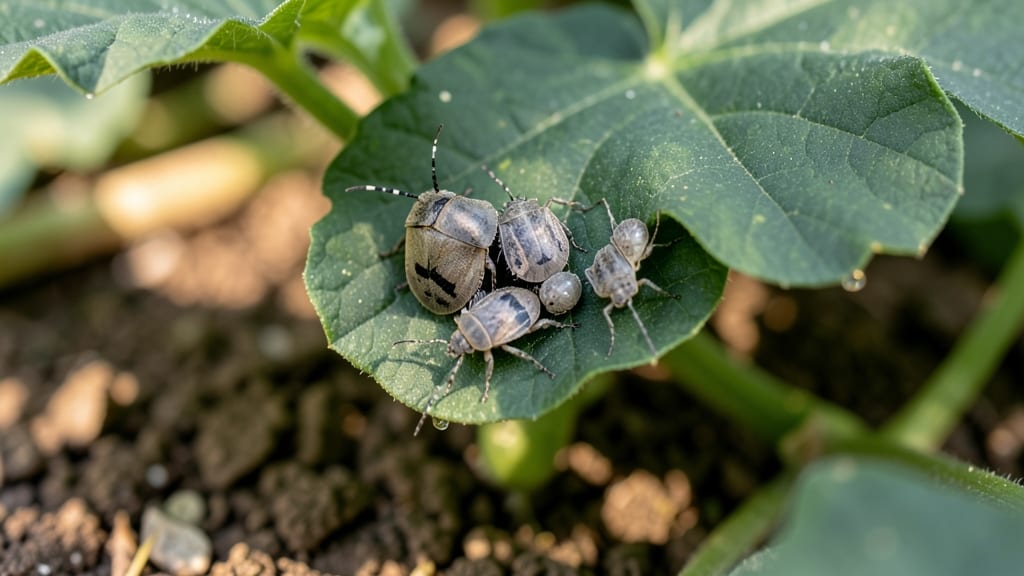
How to get rid of squash bugs organically—the key to saving your summer harvest before they strike. 🌿 I’ve watched them turn thriving vines into skeleton leaves in just a week—and I’m sharing the neem oil barrier that stops them dead in their tracks before they lay another egg.
The secret isn’t just spraying—it’s creating a protective shield that smothers both adults and eggs. You’ll need neem oil, a spray bottle, and a little patience, but the results are worth it: no more sticky black bugs on your zucchini or squash leaves by midseason.
This method works because neem oil disrupts their life cycle while being safe for beneficial insects when applied correctly. You’ll see fewer bugs within 3-5 days, and your plants will bounce back with new growth faster than you’d expect.
Works for all squash family plants—zucchini, pumpkins, even cucumbers—and pairs perfectly with companion planting like nasturtiums. Let’s get those bugs under control before they ruin your harvest.
Root Causes of Squash Bug Infestations
Squash bugs (Anasa tristis) don’t just show up out of nowhere—they thrive because of specific conditions in your garden. Understanding why these pests target your squash, pumpkins, and cucumbers is the first step to stopping them organically.
Below, we break down the science-backed reasons behind their persistence, so you can address the problem at its source.
Squash bugs are attracted to weak, stressed, or overcrowded plants because they provide easier access to sap and shelter. Here’s why this happens:
- Poor Spacing: Squash vines left too close together create shady, humid microclimates—perfect hiding spots for squash bugs.
Their eggs and nymphs thrive in these damp conditions, while adults use the dense foliage to avoid predators. - Nutrient Deficiencies: Plants lacking nitrogen, phosphorus, or potassium grow slowly and weakly, making them easier targets.
Squash bugs detect these deficiencies through volatile organic compounds (VOCs) emitted by stressed plants. - Water Stress: Overwatering or drought-stressed plants leak more sap, a primary food source for squash bugs.
Their mouthparts are designed to pierce plant stems and suck out nutrients, and stressed plants offer a higher sugar-to-water ratio, making them more appealing.
Actionable Insight: Space your squash plants 3–5 feet apart (depending on the variety) and use mulch to retain moisture without overwatering. A balanced organic fertilizer (like compost or fish emulsion) can also strengthen plant defenses.
Squash bugs are opportunistic survivors, and your garden might unknowingly provide them with a five-star hotel. Here’s what makes your plants their favorite real estate:
- Leaf Litter and Debris: Adult squash bugs overwinter in soil and leaf litter, emerging in spring to lay eggs on the undersides of leaves.
If you leave pruned plant material or weeds near your squash patch, you’re giving them a head start. - Humidity and Shade: These bugs cannot survive in dry, sunny conditions—they need 70–90% humidity to lay viable eggs.
Drip irrigation or morning watering (which allows foliage to dry) can disrupt their breeding cycle. - Monoculture Planting: Growing only squash, pumpkins, or cucumbers in one area creates a buffet for squash bugs.
Since they specialize in cucurbit plants, a single-family farm of these crops signals: “All-you-can-eat dining here!”
Actionable Insight: Remove all plant debris in fall and early spring. Practice crop rotation (avoid planting squash in the same spot yearly) and interplant with basil, marigolds, or nasturtiums to disrupt their habitat.
Squash bugs have few natural enemies, but when their predators are missing, their populations explode. Here’s why this happens:
- Lack of Beneficial Insects: Birds, spider predators, and ground beetles eat squash bug eggs and nymphs.
If your garden lacks diverse pollinators and insects, these predators won’t stick around. - Pesticide Use (Even Organic Ones): Some broad-spectrum organic sprays (like pyrethrin) can kill beneficial insects faster than squash bugs, leaving your plants defenseless. - Compacted or Treated Soil: Squash bugs’ eggs are laid in soil cracks near plant stems.
If your soil is too hard or treated with herbicides, ground-dwelling predators (like rove beetles) can’t access the eggs.
Actionable Insight: Encourage biodiversity with native flowering plants (like dill or fennel) to attract predator insects. Avoid harsh sprays and use kaolin clay or neem oil as barriers instead—they smother eggs without harming beneficial bugs.
Squash bugs are highly sensitive to temperature and rainfall, and their life cycle syncs with specific weather patterns:
- Warm, Dry Springs: Squash bugs emerge from overwintering when soil temps hit 50–60°F (10–15°C).
If your spring is unusually warm and dry, they’ll hatch earlier and in larger numbers. - Heavy Rain Before Harvest: Rain washes away natural predators and softens plant stems, making them easier for squash bugs to pierce.
A sudden downpour can also trigger egg-laying frenzies. - Extended Growing Seasons: In mild climates, squash bugs have more time to reproduce, leading to multiple generations per year.
Actionable Insight: Monitor weather forecasts and apply neem oil or diatomaceous earth as a preventive barrier before squash bugs appear. Row covers can also block adults from laying eggs in early spring.
Squash bugs prefer certain varieties of squash, pumpkins, and cucumbers because of their thick stems and high sap content. Here’s the science:
- Thick-Stemmed Varieties: Bugs like butternut squash, hubbard squash, and winter squash because their woody stems provide better anchoring for egg-laying and more sap per bite. - Young, Tender Leaves: New growth is rich in sugars, making it a high-calorie snack for squash bugs.
They’ll strip a plant in days if left unchecked. - Cucurbit Family Monopolies: If your garden is only cucurbits, squash bugs have no reason to leave. Even one infected plant can attract a swarm.
Actionable Insight: Plant trap crops (like zucchini or summer squash) far from your main crop to lure squash bugs away. Prune new growth regularly to remove their favorite feeding spots.
Final Thought: Squash bugs don’t invade randomly—they’re responding to conditions you can control. By fixing plant stress, habitat issues, predator imbalances, and weather triggers, you’ll make your garden less inviting and more defensible against them. The key? Act before they act. 🚀
Quick Fixes for Squash Bugs
Squash bugs are relentless pests, but with the right organic strategies, you can reclaim your garden without harsh chemicals. Below are targeted solutions based on the most common causes—from egg masses to adult infestations—and how to stop them in their tracks.
Squash bugs lay clusters of eggs on the undersides of leaves, and if left unchecked, they’ll hatch into nymphs that devour your plants. Neem oil is your first line of defense—it smothers eggs and disrupts their life cycle.
How to do it:
- 🔥 Mix neem oil solution: Combine 1 tbsp neem oil + 1 tsp mild castile soap + 1 quart water. Stir well.
- 👨🍳 Spray undersides of leaves: Focus on squash, pumpkin, and zucchini leaves where eggs are often hidden.
- 🌡️ Apply in early morning or late evening to avoid harming bees.
- ✨ Repeat every 5–7 days until no more eggs are visible.
Pro tip: 💡 Use a soft brush to gently scrape off visible egg masses before spraying—this speeds up elimination.
Adult squash bugs are tough, but they can’t survive if you physically block their access to your plants.
How to do it:
- 🥘 Create a neem oil barrier: Spray a thin layer of neem oil mixed with water (1:1 ratio) around the base of plants and on leaf surfaces. This creates a sticky, suffocating film.
- 🔪 Use row covers: Cover young plants with floating row covers (lightweight fabric) to trap bugs inside. Remove covers when plants flower to allow pollination.
- 🌿 Handpick adults: Wear gloves and crush bugs in soapy water (this prevents them from releasing a foul odor that attracts more pests).
Pro tip: 🌡️ Timing matters—spray neem oil after rain or watering so it adheres better to leaves.
A healthy plant is less appealing to squash bugs. Boost your garden’s defenses with these organic strategies:
How to do it:
- 💪 Water at the base: Avoid wetting leaves (bugs love damp foliage). Use drip irrigation or water early in the day.
- 🥗 Plant companion crops: Interplant with nasturtiums, radishes, or marigolds—their strong scents repel squash bugs.
- 🍎 Mulch heavily: Use straw or grass clippings to smother weeds (where bugs hide) and retain moisture.
- 📊 Rotate crops: Avoid planting squash family crops in the same spot yearly—this breaks the bug’s life cycle.
Pro tip: 🌱 Avoid over-fertilizing with nitrogen—bugs target lush, soft foliage. Balance with compost or fish emulsion for strong, resilient plants.
If your garden is overrun, act fast with these high-impact traps:
How to do it:
- 🍎 Beer trap: Bury a shallow dish filled with beer near plants. Squash bugs are attracted to the yeast and drown.
- 🔪 Yellow sticky traps: Place yellow cards coated with petroleum jelly near plants—bugs get stuck trying to land.
- 🌿 Diatomaceous earth (DE): Sprinkle food-grade DE around plant bases and on leaves. It dehydrates bugs but reapply after rain.
Pro tip: ⏰ Check traps daily—remove dead bugs to prevent odor buildup, which can attract more pests.
Prevention is key! Once you’ve eliminated squash bugs, keep them away by:
- 🌿 Monitoring plants weekly for early signs.
- 🛡️ Using neem oil preventatively every 2 weeks during growing season.
- 🌱 Planting trap crops (like cucumbers) away from your main garden to lure bugs away.
Frequently asked questions
How often should I apply neem oil for squash bugs?
Apply neem oil every 5-7 days during active squash bug season. For prevention, use it every 2 weeks starting when your plants emerge. Always spray in the early morning or evening to protect bees and ensure maximum effectiveness.
Can I use diatomaceous earth on squash leaves?
Yes, but only food-grade diatomaceous earth (DE). Sprinkle lightly on leaves and soil around plants, avoiding direct contact with beneficial insects. Reapply after rain or watering, as DE loses effectiveness when wet. Focus on areas where you've seen squash bug activity.
What are the best companion plants to repel squash bugs?
Plant nasturtiums, radishes, marigolds, or basil near your squash family crops. These plants mask the scent of your main vegetables and attract predatory insects that eat squash bug eggs. Nasturtiums work especially well as a trap crop to lure bugs away from your main harvest.
Will squash bugs return next year if I eliminate them this season?
Yes, they likely will—but you can reduce their numbers significantly. Adult squash bugs overwinter in garden debris, so clean up all plant material in fall. Practice crop rotation by avoiding squash family plants in the same spot, and use neem oil preventatively in early spring before bugs emerge.
How do I know if I have squash bugs or cucumber beetles?
Squash bugs are flat, oval, and grayish-brown with black markings, while cucumber beetles are yellow or green with black stripes. Check for sticky black droppings (frass) on leaves—squash bugs leave these behind. Also look for egg masses on leaf undersides (squash bugs) vs. single eggs on leaf edges (cucumber beetles).