
How To
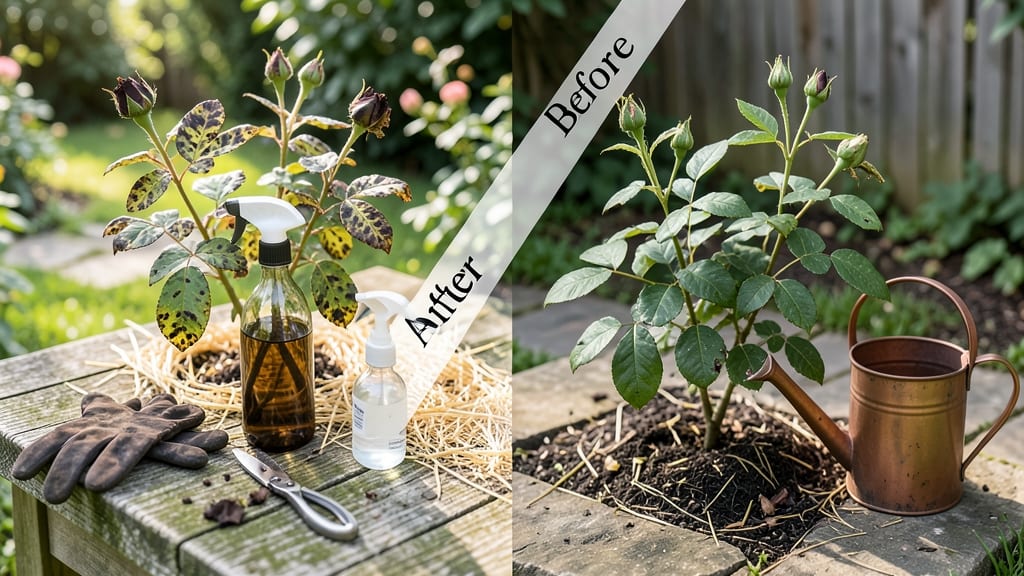
How to get rid of rose fungus and restore your bushes to their former glory—it starts with neem oil and a few smart habits. 🌿 I’ve fought black spot and powdery mildew for years, and neem oil isn’t just a quick fix—it’s a preventive barrier that stops regrowth before it starts. The key? Spraying at the right time and combining it with proper pruning and airflow.
Most gardeners overlook the simple fixes: removing infected leaves immediately, spacing plants for airflow, and pruning for sunlight. I used to ignore these steps—until my roses looked like they’d been attacked by a fungus army. Neem oil’s natural fungicidal properties work best when applied every 7–10 days during wet seasons.
Within 2–3 weeks, you’ll see new growth free of spots, and the plants will start looking thriving again—not just surviving. The secret is consistency: combine neem oil with copper fungicide for tough cases, and always clean your tools between cuts to avoid spreading spores.
This method works for black spot, powdery mildew, and rust—the three most common rose fungi. Even if your bushes look hopeless now, they can bounce back with the right care. Let’s get them back to their best selves before next season.
Hidden Triggers Behind Rose Fungus
Rose fungus—whether it’s black spot, powdery mildew, or rust—doesn’t just appear out of nowhere. It thrives when specific conditions align, turning your prized roses into a fungal buffet.
Understanding the root causes is your first step toward prevention. Below, we break down the science-backed reasons your roses might be under siege.
Fungi love water—it’s their lifeline. When roses sit in damp conditions, spores germinate and spread like wildfire. Here’s why moisture is a disaster:
- Prolonged leaf wetness: Leaves need at least 9–12 hours of moisture to trigger fungal infections like Diplocarpon rosae (black spot). Morning dew or overhead watering keeps leaves soggy, creating the perfect breeding ground.
- Poor drainage: Waterlogged soil prevents roots from breathing, weakening plants and making them vulnerable. Fungal pathogens like Botrytis cinerea (gray mold) exploit stressed roses.
- Humidity spikes: Stagnant air (especially in greenhouses or dense plantings) traps moisture against foliage. Aim for circulation—fungi can’t spread if leaves dry quickly.
Actionable fix: Water at the base of the plant in the early morning, and space roses 3–4 feet apart for airflow.
Roses packed too closely create a microclimate where fungi thrive. Here’s how density fuels the problem:
- Limited airflow: Stagnant air traps humidity and spores. Fungal spores (Erysiphe for powdery mildew) need just 6–12 hours of leaf contact to infect.
- Shared pathogens: Infected leaves brush against healthy ones, spreading diseases like Phragmidium mucronatum (rose rust).
- Competition for nutrients: Overcrowded roses become stressed, lowering their resistance to infections.
Actionable fix: Prune aggressively to open the canopy, and thin out plants to 18–24 inches apart for hybrid teas.
Healthy roses resist fungus. But stress—from poor nutrition, pests, or environmental shocks—lowers their guard. Key stressors include:
- Nutrient deficiencies: Low nitrogen (_N_) weakens foliage, while magnesium or iron deficiencies (yellowing leaves) signal distress. Fungi target these weak spots.
- Pest damage: Aphids or spider mites injure leaves, creating entry points for fungal spores. Their honeydew also feeds sooty mold.
- Extreme temperatures: Sudden heat or cold shocks roses, making them susceptible to Botrytis or Septoria leaf spot.
Actionable fix: Feed roses with balanced fertilizer (10-10-10) in spring, and monitor for pests with neem oil sprays.
Fungal spores persist in dead leaves, mulch, and soil. If you don’t clean up, they reinfect next season. Key culprits:
- Debris buildup: Fallen leaves harbor Diplocarpon spores for years. Mulch piled against stems traps moisture.
- Reused tools: Pruners contaminated with powdery mildew spread it to healthy plants. Spores can survive on tools for months.
- Infected compost: Fungal spores in compost can recolonize soil, making new plantings vulnerable.
Actionable fix: Sterilize tools with 70% rubbing alcohol, and remove all debris from the garden bed in fall.
Now that you know the why, the next step is creating a fungal-free barrier—starting with neem oil. But first, eliminate these triggers to stop the cycle.
How to Fix Rose Fungus Naturally
Now that you understand the root causes of rose fungus—whether it’s humidity, poor airflow, overwatering, or weak plants—let’s tackle the problem with effective, plant-safe solutions. The good news? Most fungal issues on roses can be reversed with natural remedies, proper care adjustments, and preventive barriers like neem oil.
Below, we’ll map the cause to the fix, so you can target the issue directly and keep your roses thriving.
Cause: Black spot, powdery mildew, or rust from fungal spores thriving on damp leaves. Fix:
- 🔪 Prune infected leaves/stems immediately (don’t compost them—dispose in a sealed bag).
- 🌿 Apply a neem oil spray (1 tbsp neem oil + 1 tsp mild soap + 1 quart water). Spray under leaves where spores hide. Reapply every 7–10 days until new growth appears.
- 🌡️ Improve airflow: Space plants 18–24 inches apart and thin crowded canes.
💡 Pro Tip: Morning watering (instead of evening) lets leaves dry faster, reducing fungal growth.
Cause: Root rot or stem cankers from soggy soil. Fix:
- 🌱 Check soil moisture before watering—stick your finger 2 inches deep. Water only if dry.
- 🏗️ Improve drainage: Mix compost or perlite into heavy clay soil. Elevate pots with gravel or saucers.
- 🍄 Fungal barrier: Sprinkle crushed eggshells or diatomaceous earth around the base (avoids direct plant contact).
✨ Prevention: Mulch with pine needles (natural antifungal) or straw to keep soil dry.
Cause: Powdery mildew or botrytis from trapped moisture. Fix:
- ☀️ Move roses to 6+ hours of sunlight daily (even partial shade roses need airflow).
- 🪶 Install a fan on low setting near roses to circulate air (prevents spores from settling).
- 🍃 Trim nearby plants blocking airflow—roses need breathing room.
🎯 Quick Fix: Baking soda spray (1 tsp baking soda + 1 quart water + a drop of soap) for mildew—spray every 2 weeks in humid climates.
Cause: Pests, nutrient deficiency, or transplant shock make roses vulnerable. Fix:
- 💪 Fertilize with balanced rose food (10-10-10) or compost tea to boost immunity.
- 🐜 Control pests (aphids/scale insects spread fungus). Spray with neem oil or insecticidal soap.
- 🌿 Avoid over-fertilizing with nitrogen—it promotes soft, fungus-loving growth. Use low-nitrogen, high-phosphorus feed for blooms.
🔥 Power Move: Copper fungicide (like Bonide Copper Fungicide) for stubborn cases—safe for roses and prevents regrowth.
Once your roses recover, lock in protection with a neem oil preventive spray:
- Mix: 2 tbsp neem oil + 1 tsp soap + 1 gallon water.
- Spray: Coat leaves, stems, and soil (avoid blooms).
Apply every 2–4 weeks or after rain. 3. Why it works: Neem disrupts fungal spores’ life cycle and repels future infections.
🌿 Bonus: Companion planting with garlic, chives, or marigolds deters fungal spores naturally.
Remember: Consistency is key! Treat early, adjust care, and prevent—your roses will bounce back stronger than ever. 🌹💪
Frequently asked questions about rose fungus
How do I know if my rose has fungus?
Look for dark spots (black spot), white powdery patches (mildew), or orange rust spots on leaves. Check the undersides of leaves first—fungus often starts there. If leaves yellow, crisp, or drop prematurely, fungus is likely the culprit.
Can I still use infected roses for cut flowers?
No—cutting infected stems spreads spores to your vase water and other flowers. Remove all infected leaves/stems first, then only cut from healthy growth. Once treated, wait 2–3 weeks before harvesting blooms again.
Will rain make rose fungus worse?
Yes—prolonged leaf wetness (like rain) fuels fungal growth. Water in the early morning so leaves dry by afternoon. After heavy rain, apply a neem oil spray to create a protective barrier against spores.
How long until my roses look healthy again?
With consistent treatment (neem oil + pruning), you’ll see new growth in 2–3 weeks. Full recovery takes 4–6 weeks depending on the severity. Monitor for regrowth—if spots return, increase spray frequency to every 5–7 days.
Can I use vinegar to treat rose fungus?
Not recommended—vinegar’s acidity can burn leaves and disrupt soil pH. Stick to neem oil, baking soda spray, or copper fungicide for safe, effective treatment. Always test sprays on a small leaf first.