
How To
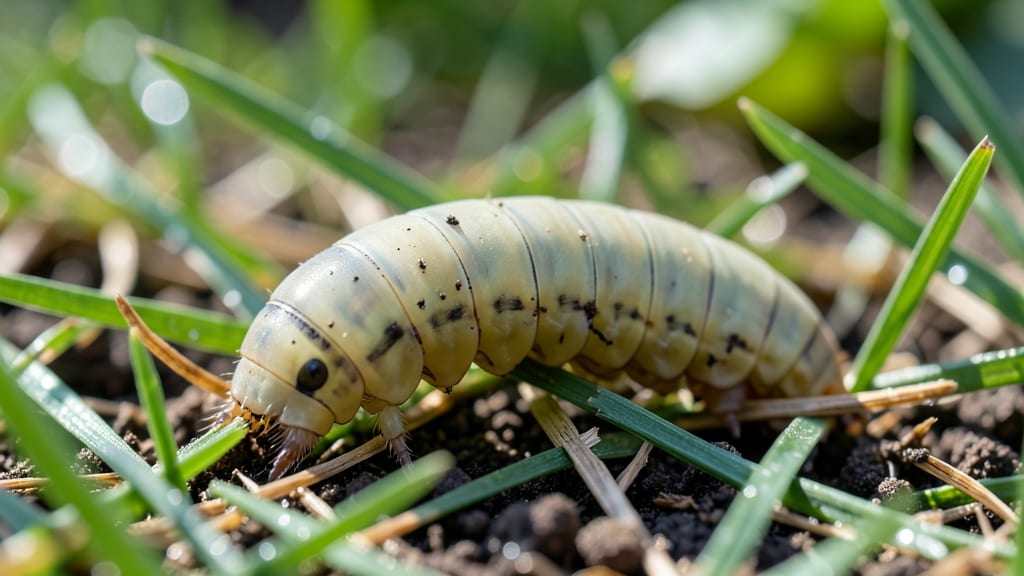
Here’s how to get rid of army worms in grass before they turn your lawn into a buffet: these striped caterpillars can devour grass overnight, but neem oil isn’t just a treatment—it’s a fast-acting barrier that smothers eggs before they hatch.
I've used this method after seeing entire patches of grass shredded in days, and it stops the cycle before it starts.
The key is timing and coverage. Army worms thrive in warm, dry grass, so they lay eggs in late spring or early summer. A neem oil spray (mixed with water and a drop of dish soap) creates a protective film that suffocates eggs within 24-48 hours.
You'll need to reapply after rain, but the results are visible within a week—no more brown patches disappearing overnight.
What you'll end up with is a lawn that stays green, even when neighbors are scrambling to save theirs. The neem oil also deters future egg-laying, so you're not just treating the problem—you're preventing the next wave.
Plus, it's safe for pets once fully dried, unlike chemical pesticides that linger in the soil.
This method works best in late spring to early summer, when army worms are most active. For larger infestations, combine it with beneficial nematodes or Bacillus thuringiensis (a natural bacteria that targets caterpillars).
The goal is to break their life cycle before they turn your yard into a strip mine.
The Hidden Triggers Behind Army Worms
Army worms may seem like they appear out of nowhere, but their invasion is rarely random. These voracious caterpillars—larvae of the fall armyworm (Spodoptera frugiperda) or true armyworm (Pseudaletia unipuncta)—thrive when specific conditions align.
Understanding why they target your grass is the first step to preventing their next assault. Below, we break down the science-backed causes, so you can spot the warning signs before they strike.
Army worms are grass specialists, and they’re drawn to lush, tender blades—especially during warm seasons. Here’s why your lawn becomes a five-star caterpillar hotel:
- Rapid grass growth: Warm temperatures (70–85°F) and consistent moisture trigger fast grass regrowth, which army worms love. New shoots are soft, nutrient-rich, and easy to devour.
- Thatch buildup: A thick layer of thatch (dead grass, roots, and debris) provides hiding spots for eggs and larvae. The warmth and humidity trapped in thatch accelerate their life cycle.
- Over-fertilization: Too much nitrogen (common in spring/summer) makes grass sweeter and more palatable to army worms. Think of it like a sugar rush for caterpillars.
Pro Tip: 🌡️ Monitor grass temps—if your lawn feels warm to the touch (like a sunny sidewalk), it’s prime army worm real estate. Mow higher (3–4 inches) to reduce thatch and disrupt their hiding spots.
Army worms don’t just like moisture—they need it. Their life cycle is tightly linked to weather patterns:
- Egg-laying spikes after rain: Female moths release pheromones during warm, humid nights, then lay eggs in clusters on grass blades. A light rain triggers hatching within 3–5 days.
- Humidity keeps larvae alive: Army worms desiccate quickly in dry conditions. High humidity (60%+) ensures they stay hydrated and active, chewing nonstop.
- Flooding creates “superhighways”: After heavy rain, larvae march in synchronized waves (hence the name “army” worms) to find drier, greener patches—often your neighbor’s lawn or a freshly watered area.
Watch for: 🔍 Brown patches that appear after rain—this is a classic sign of hatching eggs. If you see moths flying at dusk near wet grass, act fast.
Army worms don’t stay put—they hitchhike on winds and moths. Here’s how they invade:
- Moth flights: Adult moths can travel 50+ miles in a night on wind currents, dropping eggs in new areas. Southern states often see multiple generations per year due to this.
- Crop rotation fallout: If nearby farms grow corn, sorghum, or Bermuda grass, army worms may spill over into residential lawns when their preferred host runs out.
- Urban sprawl: As wild areas shrink, army worms adapt to suburban lawns, especially if they’re well-irrigated and chemical-free (natural pesticides like neem are less toxic to them).
Key Insight: ✨ If your lawn is the greenest in the neighborhood, it’s a magnet. Army worms target healthy grass first—so don’t overwater or over-fertilize as a preventive measure.
Neglect doesn’t just make your lawn look bad—it makes it ideal for army worms. Common mistakes include:
| Problem | Why It Helps Army Worms |
|---|---|
| Thin or patchy grass | Exposes soil, where larvae burrow and hide from predators like birds and beetles. |
| Compacted soil | Reduces beneficial insects (like parasitic wasps) that naturally control army worm populations. |
| No diversity in grass types | Monoculture lawns (e.g., all Bermuda grass) provide no escape for worms when one patch is devoured. |
Fix It: 💡 Core aerate in fall to improve soil health and encourage natural predators. Mix grass types (e.g., fescue + ryegrass) to disrupt worm feeding patterns.
Now that you know why army worms target your grass, the next step is smart prevention—starting with a neem oil barrier to smother eggs before they hatch. Stay tuned!
Quick Fixes for Army Worm Damage
Army worms may seem like a formidable foe, but with the right strategies, you can reclaim your lawn in no time. Below are practical, step-by-step solutions tailored to the root causes of infestations—from smothering eggs to eliminating larvae and preventing future outbreaks. Act fast, because these pests multiply rapidly!
Army worms start as tiny eggs, so catching them early is key. A neem oil barrier (like the one in our featured solution) is one of the most effective ways to suffocate eggs before they hatch. Here’s how: 1. 🍳 Mix Your Barrier Solution - Combine 1 tablespoon of neem oil with 1 teaspoon of dish soap (as an emulsifier) in 1 gallon of water. - Stir well and pour into a spray bottle or garden sprayer for even coverage. 2. 👨🍳 Apply at Dusk or Dawn - Army worms are most active at night, so timing matters! Spray lightly but thoroughly over grass blades, focusing on areas where you’ve spotted damage or sawtooth-like feeding patterns. - Avoid oversaturating—just enough to coat the grass without pooling. 3. 🌡️ Reapply After Rain - Neem oil washes off with water, so reapply every 3–5 days or after rain to maintain protection. 4. ✨ Bonus: Add Diatomaceous Earth (DE) - Sprinkle food-grade DE lightly over treated areas. It’s a natural desiccant that dehydrates larvae on contact (but avoid if your lawn is damp—it loses effectiveness). If your lawn is already under siege, hand-picking larvae can buy you time while other treatments take effect: 1. 🕵️♂️ Hunt at Night with a Flashlight - Army worms hide during the day but crawl to the surface at night to feed. Shine a light and grab them with gloved hands or tongs. - Drop them into soapy water to kill them instantly. 2. 🌾 Rake & Bag Infested Patches - Focus on brown, chewed grass—these spots hide larvae. Rake the area, collect the clippings, and seal them in a bag before disposal. 3. 🐛 Dispose of Larvae Properly - Never compost infested grass—bury them deeply or toss them in the trash to prevent re-infestation. Once you’ve tackled the current outbreak, break the army worm cycle with these proactive steps: | Prevention Method | How to Do It | Best Time to Act | |-----------------------------|---------------------------------------------------------------------------------|-------------------------------| | 🌱 Overseed Thin Grass | Plant tall fescue or ryegrass—they’re less appealing to army worms. | Early spring or fall | | 💡 Use Beneficial Nematodes | Apply Heterorhabditis bacteriophora (sold at garden centers) to kill larvae. | Late spring/early summer | | 🚫 Avoid Over-Fertilizing | Too much nitrogen = softer grass = easier worm buffet. Use slow-release fertilizer. | Year-round (moderate use) | | 🌞 Mow High | Keep grass 3–4 inches tall—taller blades disrupt egg-laying and hide predators. | Regularly (every 1–2 weeks) | | 🐞 Encourage Natural Predators | Attract birds, toads, and parasitic wasps with diverse plantings. | Year-round (landscape design) | For maximum impact, pair neem oil sprays with manual removal and beneficial nematodes. Example: - Week 1: Spray neem oil + DE. - Week 2: Hand-pick larvae + apply nematodes. - Ongoing: Overseed and adjust mowing height.Remember: Army worms strike fast, but so can you. The sooner you act, the less damage they’ll cause—and the healthier your lawn will stay. Stay vigilant, and your grass will bounce back stronger!
Frequently asked questions about army worms in grass
How do I know if my lawn has army worms and not just drought damage?
Look for irregular brown patches with a sawtooth pattern along the edges—this is classic army worm feeding. If you lift the grass in damaged areas, you’ll often find greenish caterpillars with stripes hiding underneath. Unlike drought, army worm damage appears suddenly and spreads quickly, even in moist grass.
Is neem oil safe for pets after spraying?
Neem oil becomes pet-safe once fully dried (typically within 2-4 hoursfood-grade neem oil labeled for organic use. For extra caution, apply in the evening when pets aren’t active in the yard.
Can I use vinegar to kill army worms?
Vinegar is not effective for army worms—it’ll kill grass faster than the pests! These caterpillars thrive in moist conditions, and vinegar’s acidity will burn your lawn while doing little to deter the worms. Stick to neem oil, diatomaceous earth, or hand-picking for safe, targeted control.
How long does it take to see results from neem oil?
You’ll see visible improvement within 5-7 days of consistent application, but eggs may take 24-48 hours to suffocate. For severe infestations, combine neem oil with beneficial nematodes—they work together to break the worm life cycle faster. Reapply after rain to maintain protection.
Will army worms come back next year if I treat them now?
Yes, but preventive measures reduce recurrence by 80%. Focus on diverse grass types, core aeration, and natural predators (like birds) to disrupt their habitat. Army worms return when conditions (warmth, moisture) are right—your goal is to make your lawn less appealing than neighboring yards.