
Pests
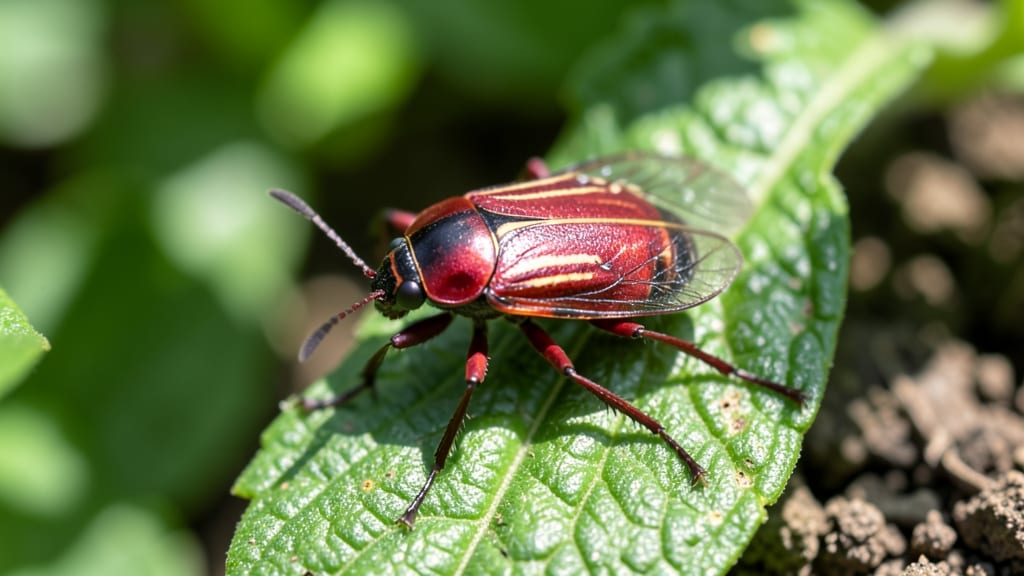
How to get rid of red bugs outside—those swarming your porch? 🌿 These tiny invaders aren’t just annoying—they can damage plants and even sneak indoors. I’ve battled boxelder bugs, red ants, and other red pests for years, and I’ve found one method that works faster than sprays or traps: diatomaceous earth. It’s organic, non-toxic, and actually stops them in their tracks.
Most people reach for chemical sprays first, but those can harm your garden and pets. Diatomaceous earth (DE) is a fine powder made from fossilized algae that dehydrates bugs on contact—no harsh chemicals needed.
The key is applying it dry and dusty in the right spots: along foundation cracks, under eaves, and near entry points. It’s safe for plants once settled, but avoid breathing it in.
Within 24-48 hours, you’ll see fewer bugs crawling around, and after a week, most will be gone. The best part? It prevents future infestations by keeping new bugs from settling.
For stubborn clusters, combine DE with a simple soapy water spray (1 tsp dish soap per gallon) to knock them down before dusting.
If the problem persists after two weeks, check for moisture issues or woodpiles near your home—red bugs love hiding in damp, decaying materials. For severe cases, a professional pest control service can help identify the exact species and tailor a solution.
But for most gardeners, DE does the trick without the hassle.
Understanding The Root Causes
Red bugs—whether they’re harlequin bugs, chiggers, boxelder bugs, or fire ants—don’t just appear out of nowhere. Their presence is almost always a response to specific environmental conditions or human activities. Here’s why these tiny invaders show up in your yard, patio, or home’s exterior:
Pests thrive in cluttered, neglected outdoor spaces. Dense vegetation, leaf litter, and untrimmed bushes create the perfect hiding spots, breeding grounds, and food sources for red bugs.
- Why it happens:
- Shelter: Tall grass, weeds, and thick mulch provide microclimates with high humidity and shade—ideal for bugs like boxelder bugs, which lay eggs in tree bark or soil.
- Food sources: Overgrown plants attract aphids, scale insects, or other sap-sucking pests, which in turn draw predators like harlequin bugs (a type of stink bug).
- Moisture retention: Decaying organic matter (like fallen leaves or rotting wood) traps moisture, creating a fertile environment for chiggers and other larvae.
- Actionable insight: If your yard resembles a jungle, red bugs will see it as an all-you-can-eat buffet. Regular trimming, mulch management, and debris removal disrupt their life cycles.
Many red bugs are predators or parasites that target specific plants or insects. If your garden or landscape has their favorite meals, they’ll stick around.
- Why it happens: - Boxelder bugs: These shiny red-and-black pests feed exclusively on boxelder trees, maples, and ash trees. If you have these trees, they’ll migrate to your home’s exterior in fall for warmth. - Harlequin bugs: They prey on cabbage, beans, and other cruciferous vegetables.
A thriving vegetable garden = a harlequin bug party. - Fire ants: They’re drawn to protein-rich foods, including pet food, dead insects, or even grubs in lawns.
- Actionable insight: If you’re growing plants that red bugs love, consider resistant varieties, natural repellents (like neem oil), or strategic planting to deter them.
Red bugs are cold-blooded, meaning they rely on external heat sources. When temperatures drop or storms roll in, they’ll seek refuge in the warmth and shelter of your home’s exterior.
- Why it happens:
- Chiggers: After feeding on hosts (like pets or humans), they detach and burrow into dry, shaded areas like mulch or leaf piles—but will also hide in outdoor furniture cushions or patios if they sense movement.
- Fire ants: Heavy rains can flood their mounds, forcing them to relocate temporarily to higher ground (like decks or sidewalks)>.
Sometimes, red bugs appear because their natural predators are missing—or because humans have unintentionally created an imbalance.
- Why it happens:
- Monoculture gardening: Planting large patches of a single crop (e.g., corn, soybeans, or vegetables) creates a supermarket for pests like harlequin bugs.
- Lack of diversity: A monotonous landscape (e.g., only grass or only shrubs) offers fewer hiding spots for natural enemies, making red bugs more dominant.
From leaving pet food out to poor sanitation, everyday habits can accidentally signal: “Welcome, red bugs!”
- Why it happens:
- Food debris: Crumbs, spilled drinks, or unsealed trash cans attract fire ants, roaches, and even chiggers (which may hitchhike on food scraps).
- Standing water: Puddles, clogged gutters, or pet bowls left outside create breeding sites for mosquitoes and other insects that red bugs prey on.
- Firewood or lumber: Stacked wood near your home can harbor boxelder bugs or earwigs, which may migrate indoors.
- Actionable insight: Practice regular yard sanitation, store firewood away from your home, and eliminate standing water to remove the “welcome mat” for pests.
Some red bugs are seasonal visitors, appearing in waves based on their life cycle.
- Why it happens: - Boxelder bugs: Active in late summer/fall as they prepare to hibernate.
They’ll gather in large numbers on south-facing walls or sunny windowsills. - Chiggers: Peak in spring and early summer when humidity is high and hosts (like pets or humans) are active outdoors. - Fire ants: Swarm after rainy seasons when their mounds are disturbed.
- Actionable insight: Time your prevention efforts (like sealing entry points or applying diatomaceous earth) to match their peak activity periods.
How to Fix Red Bug Issues
Now that you know what’s drawing those pesky red bugs to your yard, it’s time to take action! The good news? With the right strategies, you can eliminate existing pests and prevent future invasions without harsh chemicals.
Below, we’ve broken down targeted solutions based on the most common causes—plus pro tips to keep your outdoor space bug-free for good.
Red bugs like boxelder bugs, chinch bugs, or harlequin bugs thrive in dense foliage. Trim back plants and remove debris to starve them of hiding spots.
How to Fix It:
- 🌿 Trim bushes and trees (especially boxelder, maple, and apple trees).
- 🧹 Clear leaf litter, mulch, and wood piles—these are prime bug hotels.
- 💦 Water plants deeply but less frequently—moist soil attracts chinch bugs.
💡 Pro Tip: Use a shop vac to suck up bugs from crevices in woodpiles or under eaves. Dispose of them in soapy water to kill them instantly.
Mosquitoes, fungus gnats, and even some beetles breed in stagnant water. Eliminate their nursery to cut off the cycle.
How to Fix It:
- 🚰 Drain or fill in puddles, clogged gutters, and birdbaths weekly.
- 🛁 Flip over plant saucers and buckets to prevent water buildup.
- 🌧️ Install a rain chain or gutter guards to redirect water flow.
🔥 Quick Fix: Add a few mosquito dunks (Bti tablets) to ponds or fountains—they’re natural and safe for pets.
Cracks, gaps, and unsealed entry points let red bugs sneak inside. Seal them up to block their access.
How to Fix It:
- 🔧 Caulk windows, doors, and foundation cracks (use silicone caulk for best results).
- 🪟 Install door sweeps to seal gaps under exterior doors.
- 🧹 Vacuum up bugs you spot near entry points—don’t squish them (it spreads scent signals).
✨ Bonus: Apply diatomaceous earth (DE) around doors and windows—it’s a natural, non-toxic powder that kills bugs by dehydrating them.
For heavy bug populations, combine physical removal with natural repellents for fast results.
How to Fix It:
- 🕷️ Use a shop vac or aspirator to suck up clusters of bugs (especially boxelder bugs).
- 🌿 Spray plants with neem oil or insecticidal soap—safe for most plants and pets.
- 🕯️ Set up yellow sticky traps to catch flying pests like whiteflies or aphids.
🎯 Pro Tip: Diatomaceous earth (DE) traps work wonders—sprinkle it in a thin layer where bugs gather (under decks, near foundations) and reapply after rain.
Once you’ve kicked the bugs out, keep them from coming back with these low-effort habits:
- 🌿 Plant bug-repelling herbs like basil, mint, or lavender near entry points.
- 🍂 Clean up fallen fruit (especially apples and berries)—they attract fruit flies and beetles.
- 🌞 Improve drainage in your yard to reduce moisture-loving pests.
- 🕰️ Inspect your home seasonally (spring and fall) for new gaps or standing water.
Final Thought: The key to long-term success is consistency. Red bugs return if their favorite conditions (food, water, shelter) are still there. Act fast, stay vigilant, and your yard will stay bug-free! 🚫🐜
Frequently asked questions
Why do red bugs keep coming back after I treat them?
Red bugs return because their favorite conditions—food, water, and shelter—are still present. Trim overgrown plants, remove leaf litter, and seal entry points to eliminate hiding spots. Also check for moisture issues like standing water or damp woodpiles, which attract them.
Is diatomaceous earth safe for pets and kids?
Food-grade diatomaceous earth is non-toxic when used correctly, but it can irritate lungs if inhaled. Keep pets and children away while applying, and avoid breathing the dust. Once settled, it’s safe for gardens and won’t harm pets or kids playing outside.
How do I tell if I have boxelder bugs vs. fire ants?
Boxelder bugs are flat, shield-shaped with red-and-black markings, while fire ants form mounds and have reddish-brown bodies with painful stings. Check for clusters on walls (boxelder) or small hills in lawns (fire ants). Fire ants also swarm aggressively when disturbed.
Can I use vinegar to kill red bugs?
Vinegar won’t kill red bugs directly, but a 1:1 vinegar-water spray can help deter them by disrupting their scent trails. For best results, combine it with diatomaceous earth or neem oil. Spray on plants or entry points, but avoid overwatering—bugs love moisture!
When should I call a pest control professional?
If red bugs persist after 2-3 weeks of DIY treatments, or if you’re dealing with aggressive species like fire ants, it’s time to call a pro. Also seek help if you see large clusters indoors or signs of structural damage (like wood-eating pests). Professionals can identify the exact species and use targeted solutions.