
How To
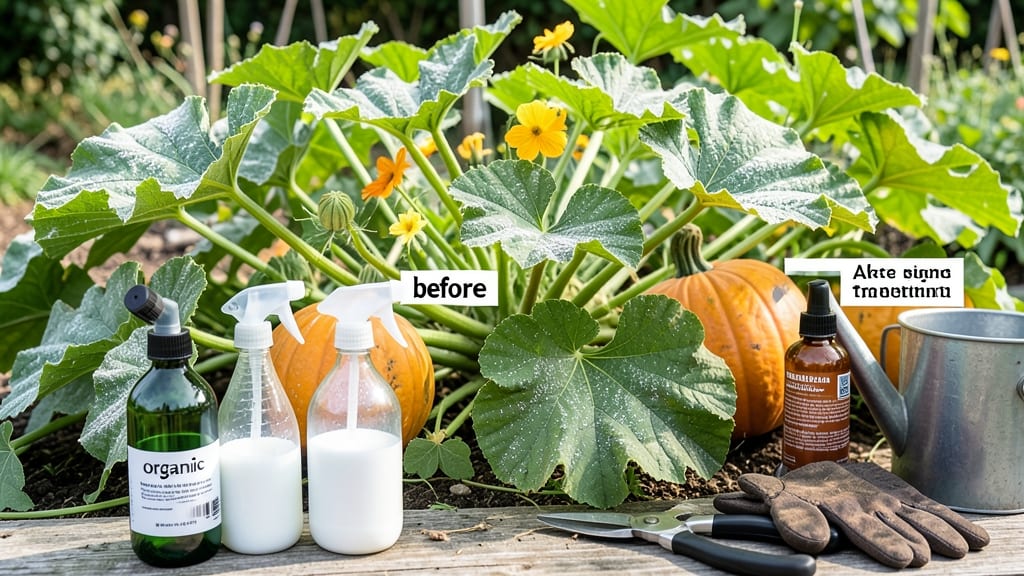
How to get rid of powdery mildew on pumpkins—before it turns your leaves into a dusty white mess faster than you can say "jack-o'-lantern." I’ve battled this fungus for years—until I discovered a vinegar spray that clears it in just 24 hours without harsh chemicals. The key? Catching it early and treating it right, before it robs your pumpkins of their vigor.
This isn’t just about spraying something random—it’s about airflow, spacing, and timing. Crowded vines trap moisture, and powdery mildew thrives there. My first year, I lost half my patch because I ignored the warning signs: those telltale white spots on leaves.
Now, I act fast with a simple mix that’s safe, effective, and won’t harm your pumpkins if used correctly.
By the end of this, you’ll have spotless leaves, stronger vines, and pumpkins that grow bigger and healthier. No more sad, shriveled fruit from fungal stress.
The best part? You’ll prevent future outbreaks with proven tricks that work even in humid summers. Let’s get those pumpkins back to their full glory.
Whether you’re dealing with a small patch or a full garden, this method scales—and it’s foolproof for gardeners who’ve struggled before. No more guessing, no more wasted effort. Just results. Here’s exactly how to do it, step by step.
The Hidden Triggers Behind Fungal Growth
Powdery mildew isn’t just a random nuisance—it’s a fungal party crashers that thrives when conditions align just right. Understanding why it targets your pumpkins is the first step to stopping it before it spreads. Let’s break down the real culprits behind this fluffy white menace.
Powdery mildew (Podosphaera xanthii and Erysiphe cichoracearum) loves damp, still air—think of it as a fungal sauna. Here’s why:
- High humidity (70%+) creates the perfect moisture film on leaves, allowing fungal spores to germinate and spread.
- Stagnant air (common in dense pumpkin vines or crowded gardens) prevents evaporation, keeping surfaces wet longer.
- Morning dew or evening water droplets linger on leaves, giving spores a 24-hour head start.
Actionable insight: If your pumpkin patch feels like a greenhouse, the fungus will too. Aim for good airflow—space vines 3–4 feet apart and prune overgrowth.
Pumpkins with leaves brushing against each other create a high-traffic zone for spores. Why?
- Leaf-to-leaf contact spreads spores like wildfire (literally).
- Shaded, damp undersides of leaves trap humidity, accelerating growth.
- Thick foliage blocks sunlight, weakening plants and making them more susceptible to infection.
Pro tip: Thin out vines to improve sunlight penetration. A sunny, breezy pumpkin plant is a mildew-resistant powerhouse. 🌞
Watering from above? That’s like handing the fungus a spray bottle. Here’s how it happens:
- Foliar moisture (water on leaves) gives spores a direct route to infect plants.
- Overhead irrigation (especially in the evening) keeps leaves damp overnight—prime time for mildew.
- Poor drainage leads to soggy soil, which stresses roots and weakens the plant’s defenses.
Fix it: Water at the base of plants in the morning, and avoid wetting leaves. Drip irrigation or soaker hoses are your best friends. 💦➡️🌱
A pumpkin plant that’s starving for nitrogen or overfed with phosphorus becomes an easy target. Why?
- Nitrogen deficiency (yellowing leaves) weakens cell walls, making them easier for fungi to penetrate.
- Excess phosphorus (from bone meal or compost) can suppress beneficial microbes that fight mildew.
- Zinc or magnesium shortages (seen as yellowing between leaf veins) reduce the plant’s ability to repel pathogens.
Boost defenses: Use a balanced fertilizer (10-10-10) and add compost to improve soil health. A strong plant fights fungus better than any spray! 💪🌿
Powdery mildew thrives in temperature swings, especially when:
- Daytime temps hit 70–85°F (21–29°C)—ideal for fungal growth.
- Nighttime temps drop to 60–70°F (15–21°C), slowing plant recovery but not stopping the fungus.
Why it matters: These conditions create a sweet spot for spores to germinate and spread rapidly. If your pumpkins are in a microclimate with these temps (like a greenhouse or shaded area), mildew will move in fast. 🌡️🔥
Key takeaway: Powdery mildew doesn’t just happen—it’s the result of a perfect storm of moisture, poor airflow, and stressed plants. Once you spot the triggers in your garden, you can flip the script and create conditions that make mildew unwelcome.
Quick Fixes for Fungal Foes
Powdery mildew on pumpkins can feel like a sneaky villain—creeping in when you least expect it and leaving your gourds looking sad and shriveled. But don’t worry! With the right approach, you can banish this fungal foe fast and keep your pumpkins thriving.
Below, we’ve mapped out practical, step-by-step solutions based on the root causes we covered earlier. Plus, we’ll share prevention tips to stop mildew from crashing your harvest party again.
If your pumpkin plants are too cozy, airflow gets trapped, and mildew moves in like an uninvited guest. Here’s how to fix it:
- 🔥 Step Back & Assess: Walk through your patch and spot pumpkins or vines that are touching. These are mildew magnets.
- 👨🍳 Prune Like a Pro: Use sterilized pruning shears (wipe with rubbing alcohol) to snip off crowded vines or extra pumpkins. Aim for 12–18 inches of space between plants.
- 🌡️ Time It Right: Do this on a dry, sunny morning so wounds dry quickly and spores don’t latch on.
- ✨ Bonus: Remove any infected leaves or vines immediately and compost them away from your garden (not in your yard waste bin—mildew spores can survive!).
Prevention Tip: 💡 Plant pumpkins in rows with wide spacing (5–6 feet apart) from the start. If you’re short on space, try vertical trellises for smaller varieties like ‘Jack Be Little.’
Powdery mildew loves humidity, and soggy leaves are its favorite snack. Here’s how to dry things out:
- 🥘 Water at the Roots: Use a soaker hose or drip irrigation to water at the base of plants—never overhead. If you must water by hand, use a watering can with a narrow spout to avoid wetting leaves.
- ⏰ Schedule Like a Boss: Water early in the morning (before 10 AM) so leaves have all day to dry. Avoid evening watering—this keeps moisture hanging around overnight, mildew’s happy hour.
- 🌡️ Check Your Soil: If your soil stays waterlogged for days, it’s time to improve drainage. Mix in compost or sand to help roots breathe.
- 🔥 Emergency Dry-Off: If mildew is already spreading, use a fan on low speed near the plants for 10–15 minutes daily to reduce humidity around them.
Prevention Tip: 💡 Install a drip irrigation system or use mulch (straw or shredded leaves) to keep soil moist without wetting foliage. This keeps roots happy and leaves dry!
When mildew has already set up camp, you’ll need a fast-acting spray to kick it out. Here are the most effective, garden-safe options:
🔥 Homemade Vinegar Spray (Best for Early Stages)
This 24-hour remedy disrupts fungal growth without harsh chemicals.
- Mix 1 gallon of water + 1 tablespoon white vinegar + 1 teaspoon baking soda + a drop of dish soap (helps it stick).
- Stir well and pour into a spray bottle.
- Spray both sides of leaves (especially undersides—mildew’s favorite hiding spot!) until glistening wet.
- Reapply every 3–5 days until mildew disappears.
Why It Works: Vinegar’s acidity disrupts fungal cell walls, while baking soda raises the pH, making it harder for spores to thrive.
🌿 Neem Oil Spray (For Stubborn Infestations)
Neem oil is a natural fungicide that also deters pests. It’s heavier-duty but safe for edibles.
- Mix 1 tablespoon neem oil + 1 teaspoon mild liquid soap + 1 quart of water.
- Shake well and spray evenly on all surfaces (including stems and the undersides of leaves).
- Apply every 7–10 days or until mildew is gone.
Pro Tip: 💡 For extra potency, add 1 tablespoon hydrogen peroxide (3%) to the mix—it boosts antifungal power!
🍎 Copper Fungicide (For Severe Cases)
If mildew is widespread and resistant, a copper-based spray (like copper sulfate or copper fungicide) can kill spores on contact. Follow label instructions carefully—it’s not organic but highly effective.
Prevention Tip: 💡 Rotate sprays every few weeks to prevent mildew from building resistance. And always spray in the early morning so leaves dry quickly!
A weak plant is an easy target for fungi. Give your pumpkins the upper hand with these tricks:
- 💪 Feed Them Right: Use a balanced fertilizer (10-10-10) or a compost tea to strengthen vines. Avoid too much nitrogen—it promotes leafy growth but weakens disease resistance.
- 🌡️ Warm Up the Soil: Cold soil slows growth and makes plants more susceptible to mildew. Use black plastic mulch or row covers early in the season to speed up warming.
- 🌿 Companion Plants: Interplant pumpkins with marigolds, garlic, or thyme. These repel pests and improve airflow, making mildew less likely.
- ✨ Sunlight Strategy: If your pumpkins are in shady spots, move them to full sun (6+ hours daily). More sunlight = drier leaves and stronger defenses.
Prevention Tip: 💡 Start with healthy seeds! Buy disease-resistant varieties like ‘Howden’ or ‘Cinderella’ if powdery mildew is a recurring issue in your area.
With these targeted fixes, you’ll see mildew retreat in days and your pumpkins bounce back stronger. The key? Act fast, improve airflow, and keep leaves dry. Your future jack-o’-lanterns will thank you!
Frequently asked questions about pumpkin powdery mildew
Can I still harvest pumpkins if they have powdery mildew?
Yes, but focus on removing heavily infected leaves first. The fungus won't ruin the fruit itself, but severe leaf damage can reduce plant vigor. Harvest pumpkins when they're fully mature (hard rind, stem dried) regardless of mildew. Just avoid eating leaves or vines - only the pumpkin flesh is safe.
How often should I spray vinegar solution on my pumpkins?
Apply the vinegar spray every 3-5 days until the mildew disappears completely. For prevention, switch to weekly sprays during humid seasons. Always spray in the early morning so leaves dry quickly - this prevents fungal regrowth.
Will removing infected leaves spread the mildew to other plants?
Not if you do it correctly! Always remove infected leaves by hand (don't shake plants) and dispose of them in the trash - never compost them near your garden. Wear gloves and clean your hands/pruners with rubbing alcohol between plants to prevent cross-contamination.
Can I use baking soda alone to treat powdery mildew?
Baking soda helps, but it's more effective when combined with vinegar and dish soap. A standalone baking soda spray (1 teaspoon per quart of water) can raise leaf pH slightly, but the vinegar's acidity and soap's spreading ability create a stronger antifungal effect together.
What's the best time of day to apply fungicide sprays?
Always spray in the early morning when humidity is lowest. This gives leaves time to dry completely before evening dew forms. Avoid spraying when temperatures exceed 85°F (29°C) - the heat can burn leaves and reduce effectiveness.