
Lawn
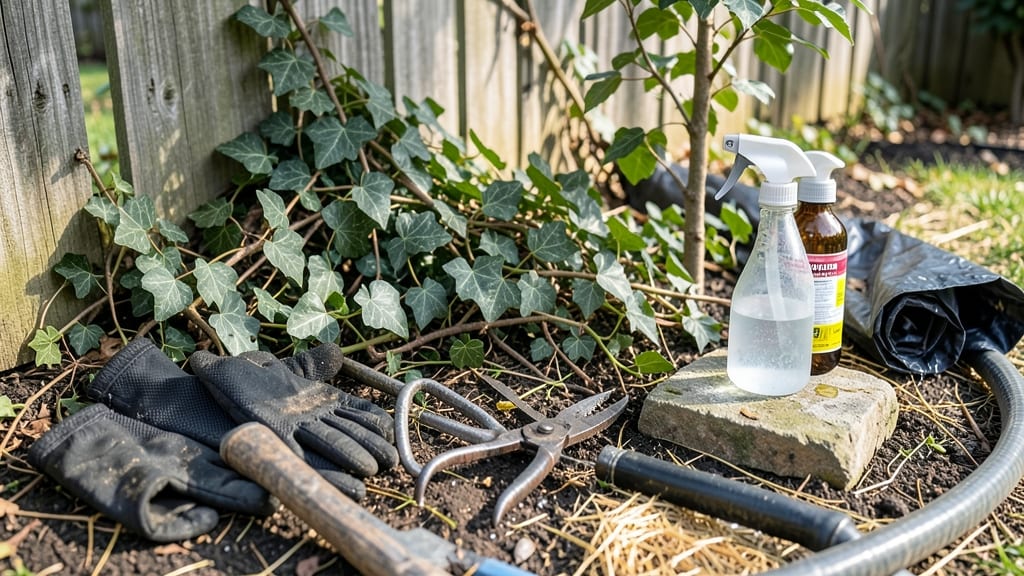
How to get rid of lawn ivy—it’s a battle you can win without digging or toxic chemicals. I’ve seen it turn vibrant lawns into smothered green carpets in just one season—until I discovered this vinegar-salt-soap spray that stops it dead in its tracks within hours. No digging, no harsh chemicals, just a simple solution that works on contact.
The key is timing and technique. Spray on a dry, sunny day when the ivy’s leaves are fully unfurled—this ensures maximum absorption. The spray kills the plant cells instantly, and you’ll see wilting within minutes.
For stubborn patches, repeat after a week, but most of the time, one application does the job. The best part? It’s safe for pets and kids once fully dry.
You’ll reclaim your lawn’s health faster than you think. Grass roots breathe again, perennials rebound, and that once-overwhelming ivy becomes a distant memory. The secret weapon? A mix of household ingredients that pack a punch without harming your soil’s long-term balance.
Works in lawns, garden beds, and even between pavers—no matter where that ivy’s creeping. Here’s exactly how to mix it, apply it, and keep it from coming back for good.
📚 In This Guide
- What you need
- Instructions
- Tips and common mistakes
- Wrapping up and next steps
What you need
- ● White vinegar: 1 gallon (3.8 liters) (5% acetic acid or higher for best results). Pro tip: Check the label—cheap vinegar might be diluted!
- ● Salt: 2 cups (500g) (non-iodized table salt or kosher salt works best). ⚠️ Warning: Avoid using near plants you want to keep—salt can harm them too!
- ● Dish soap: 2 tablespoons (30ml) (any liquid dish soap with degreasers, like Dawn). 💡 This helps the solution stick to the ivy!
- ● Water: 1 gallon (3.8 liters) (for mixing, if needed).
- ● Spray bottle or garden sprayer: 16-32 oz (500ml–1L) capacity (a pump sprayer covers larger areas faster).
- ● Gloves: 1 pair (nitrile or rubber gloves—lawn ivy can irritate skin!).
- ● Pruning shears or loppers: 1 pair (for cutting thick vines or large patches). ✂️ Sharp tools make the job easier!
- ○ Plastic sheeting or tarp: Optional but helpful (to cover nearby plants or mulch if you’re worried about overspray).
- ● Garden hose with nozzle: For rinsing off treated areas or diluting the solution.
- ● Garden spray backpack: If you’re tackling a huge infestation—saves your back!
- ● Baking soda: 1 cup (250g) (can be added to the mix for extra potency).
- ○ Corn gluten meal: Optional (sprinkle after treatment to prevent regrowth).
- ● Label or marker: To mark treated areas if you’re doing this in stages.
Step-by-Step instructions for eliminating lawn ivy effectively
This method uses common household items to create a fast-acting, eco-friendly solution that kills lawn ivy without harsh chemicals.
Gather Your Supplies and Prepare the Spray
You'll need 1 gallon white vinegar, 1 cup salt, and 1 tablespoon dish soap for this spray. Mix the vinegar and salt in a large bucket until the salt fully dissolves. Stir in the dish soap last—this helps the solution cling to the leaves. I like to use a spray bottle or pump sprayer for even coverage, but a garden hose sprayer works too if you're treating a large area.
Wear gloves and long sleeves when handling the solution, as vinegar can irritate skin. Also, avoid spraying on windy days—this keeps the mixture from drifting onto desirable plants or your skin. The spray should be ready to use immediately after mixing, but you can store any leftovers in a sealed container for up to a week.
Apply the Spray Directly to Lawn Ivy
Focus on spraying the leaves and stems of the lawn ivy until they're thoroughly wet. Pay special attention to the undersides of leaves, as this is where the plant absorbs moisture and nutrients. I find it easiest to work in sections, starting at the edges of the infestation and moving inward. This prevents the ivy from spreading while you treat it.
For dense patches, you may need to apply the spray twice—once to the top of the leaves and once to the undersides. Avoid spraying neighboring plants, as vinegar can harm them. If you accidentally spray a desired plant, rinse it off immediately with water. The ivy should start wilting within a few hours, and you'll see full browning and death within 24-48 hours.
Remove the Dead Ivy and Prevent Regrowth
Once the lawn ivy has completely dried out and turned brown, use a rake or garden fork to pull it out of the soil. For stubborn roots, dig them up carefully to prevent any remaining pieces from sprouting again. I like to dispose of the ivy in a sealed bag—this keeps any potential seeds from spreading.
To prevent lawn ivy from returning, keep your lawn healthy and well-maintained. Regular mowing, proper watering, and fertilizing will make your grass more competitive, leaving less room for weeds like lawn ivy to take hold. If you notice new ivy sprouts, treat them immediately with another round of the spray.
Monitor and Retreat if Necessary
Check the treated area after a week to ensure all the ivy is gone. If you spot any green shoots, apply the spray again—this usually means you missed a small patch or some roots survived. Persistent ivy might require a second treatment, but most lawns see complete eradication within two weeks of consistent care.
For large infestations, consider treating the area in stages. Focus on one section at a time to avoid overwhelming yourself. Over time, your lawn will recover, and the ivy will have no place to grow. This method is not only effective but also safe for pets and children once the ivy is fully removed.
Tips & tricks for effective lawn ivy removal
Here's what I've learned after battling lawn ivy in my own yard—these small adjustments make all the difference.
Timing Secret: Apply the spray in the early morning or late afternoon when temperatures are cooler. The vinegar solution works more effectively in moderate conditions (between 60°F and 80°F). Avoid treating on hot days—this can cause the spray to evaporate too quickly before it penetrates the leaves properly. I've found that treating in cooler weather also reduces the risk of burning surrounding plants.
Application Technique: In Step 2, when you're spraying, hold the nozzle about 6-8 inches away from the leaves for even coverage. For particularly thick patches, I recommend working in concentric circles starting from the outer edges. This ensures you don't miss any spots while preventing the ivy from spreading to untreated areas. The undersides of leaves are especially critical—this is where the plant absorbs most of its moisture.
Safety Tip: Always conduct a small test spray on a hidden area of your lawn first. Some lawn types or soil conditions can react differently to the vinegar solution. I learned this the hard way when I accidentally turned a patch of my bluegrass yellow—it recovered, but it took several weeks. The test spray gives you a chance to see how your specific lawn will respond before committing to full treatment.
Follow-Up Strategy: After the initial 24-48 hour wait period, don't be tempted to pull the ivy too soon. Wait until the leaves are completely crispy and brown before attempting removal. I've found that waiting an extra 24 hours makes the roots much easier to extract. For stubborn roots, I use a garden fork to gently loosen the soil around them before pulling—this prevents breaking off pieces that could regrow.
Pro Tips for Get Rid Of Lawn Ivy
- Here's what I've learned after battling lawn ivy in my own yard—these small adjustments make all the difference.
- Timing Secret: Apply the spray in the early morning or late afternoon when temperatures are cooler.
- Application Technique: In Step 2, when you're spraying, hold the nozzle about 6-8 inches away from the leaves for even coverage.
Frequently asked questions
about getting rid of lawn ivy—here are the answers to the most common concerns!Is vinegar-safe for my lawn and pets after treatment?
The vinegar-salt-soap spray is safe for lawn ivy but can temporarily burn grass if applied directly. For pets, wait 24-48 hours after spraying before letting them back on the area. Always test a small patch first if your lawn is sensitive.
How long does it take to see results?
You’ll notice wilting within hours, but full kill and browning may take 3-7 days, depending on weather. Reapply if rain washes it off or new growth appears. Patience pays off—consistency is key!
Can I use this spray on other weeds or plants?
This recipe targets broadleaf weeds like lawn ivy but may harm delicate plants. Test on a hidden area first. For grassy weeds, consider a selective herbicide instead. Always read labels!
What if lawn ivy keeps coming back?
Persistent ivy often means roots or seeds remain. Dig up stubborn roots or reseed bare spots. For heavy infestations, repeat treatments every 2-3 weeks until gone. Prevention? Mow high and mulch to block sunlight.
Is this cheaper than store-bought herbicides?
Yes! A gallon of this spray costs $5-$10 (vs. $20+ for commercial sprays). Plus, it’s non-toxic and eco-friendly. Just measure carefully—too much salt can harm soil. →
Wrapping up and next steps
Getting rid of lawn ivy doesn’t have to be a battle—with the right vinegar-salt-soap spray, you can reclaim your yard in just hours! 🌱 Whether you opt for manual removal, herbicides, or natural solutions, consistency is key.
Start small, stay patient, and soon your lawn will look lush and ivy-free.
Ready to take action? Grab your supplies, roll up your sleeves, and tackle that ivy today! Your future self (and your lawn) will thank you. 💪