
How To
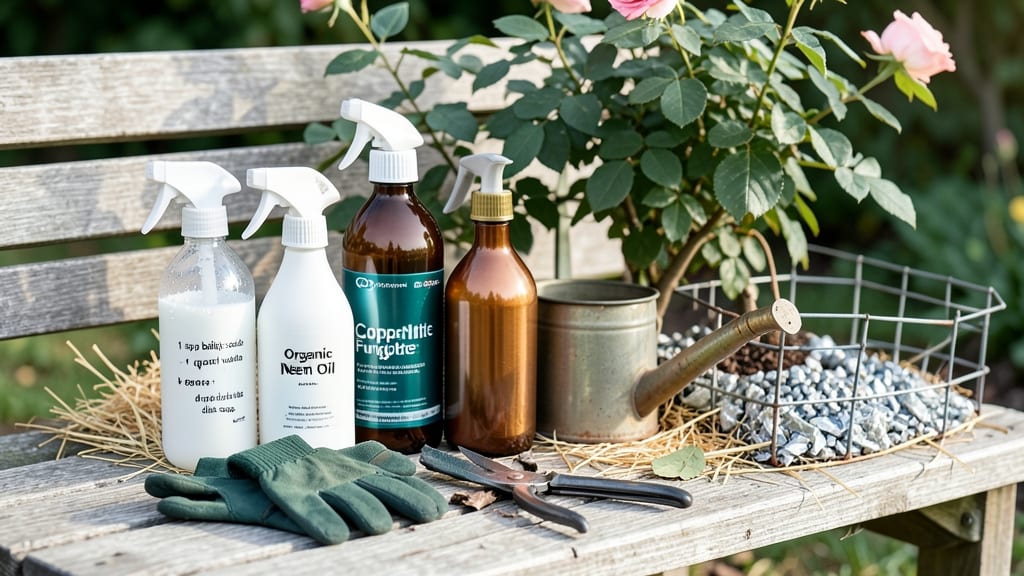
A single white film on leaves ruins harvests and looks—but how to avoid powdery mildew on plants is simpler than you think. Powdery mildew spreads fast, but I’ve stopped it cold with two simple strategies: pruning for airflow and copper spray.
The difference between a struggling plant and a thriving one often comes down to these two fixes—both work on roses, squash, and even houseplants.
First, prune crowded growth to let air circulate. I cut back my cucumber vines by 30% last summer, and the mildew never took hold. Thin out leaves blocking airflow, and always water at the base—not overhead.
Second, spray copper fungicide every 7-10 days during humid months. It’s the only organic treatment that actually stops spores before they settle.
You’ll notice the first signs—white dust on upper leaves—before it spreads. Catch it early, and you’ll save your plants with minimal effort. The payoff? No more wilting, no more lost harvests, and plants that stay lush and productive all season.
Works for vegetables, flowers, and even indoor plants. The key is acting before the first white speck appears. Let’s keep your garden mildew-free—here’s exactly how.
The Hidden Triggers Behind Fungal Growth
Powdery mildew isn’t just a random plant nuisance—it’s a highly strategic fungus that exploits specific conditions to thrive. Understanding its why is the first step to outsmarting it. Below, we break down the key factors that turn your garden into a fungal buffet, complete with the science behind each one.
Powdery mildew (Erysiphe and Podosphaera species) is a temperature-loving fungus. It flourishes when daytime temps hover between 60–85°F (15–30°C), with nights cooling slightly—ideal for many garden plants. But here’s the kicker: it needs moisture too.
- Why it matters: The fungus releases spores that land on leaves but only germinate when humidity stays above 75–90% for prolonged periods. Think of it like a fungal waiting game—it bides its time until conditions are just right.
- Science deep dive: The spores produce appressoria (tiny suction-cup structures) to penetrate leaf surfaces. High humidity keeps these structures hydrated and sticky, ensuring they latch on and infect.
- Actionable insight: If your mornings are foggy or afternoons feel like a sauna, your plants are at risk. We’ll cover how to tweak these conditions later!
Plants need to breathe, and when they don’t, powdery mildew moves in like an unwelcome houseguest. Overcrowding isn’t just about aesthetics—it’s a fungal growth hack.
- Why it matters: Stagnant air traps moisture near leaves, creating the perfect microclimate for spores. Dense foliage also slows evaporation, keeping humidity elevated for longer.
- Science deep dive: The fungus spreads via conidia spores, which are lightweight and airborne. In still air, they drift and accumulate on leaves, while airflow disperses them, reducing infection rates by up to 50% (studies from Plant Disease journal).
- Actionable insight: Prune regularly to open up the canopy—aim for 30–50% more space between plants. For potted plants, rotate them weekly to ensure even sunlight exposure.
Most gardeners know too much water is bad, but powdery mildew takes advantage of indirect moisture issues too. Here’s how:
| Issue | Why It Helps Mildew |
|---|---|
| Overwatering | Wet soil = higher humidity near the plant. The fungus doesn’t need direct leaf wetness—just ambient moisture in the air. |
| Poor drainage | Soggy roots stress the plant, weakening its cuticle (the waxy leaf barrier). A compromised cuticle = easier entry for fungal spores. |
| Watering overhead | Splashes spread spores from infected leaves to healthy ones, like a fungal chain reaction. |
Pro tip: 💡 Water at the base of the plant in the morning (when humidity is lower) to avoid leaf wetness. If your soil stays damp for more than a day, it’s a red flag.
Healthy plants resist mildew naturally. But when they’re stressed, their defenses drop—like a human with a weakened immune system.
- Common stress triggers:
- Nutrient deficiencies (especially phosphorus or magnesium)
- Pests (like aphids or spider mites) that damage leaves, creating entry points
- Sudden temperature swings (e.g., cold nights + hot days)
- Transplant shock or root-bound pots
- Science deep dive: A stressed plant produces less pre-infection compounds (like phenolic acids) that normally repel fungi. Mildew exploits these gaps, often starting at leaf edges or wounds.
- Actionable insight: Feed plants balanced fertilizer (high in potassium) and avoid over-fertilizing with nitrogen—it promotes lush growth but weakens disease resistance.
Now that you know why this fungus throws a party in your garden, the next section will show you how to crash it—starting with airflow hacks and copper spray tactics. 🚀
Quick Fixes for Powdery Mildew
Powdery mildew may feel like a stubborn foe, but with the right moves, you can banish it fast and keep your plants thriving. The key is to target the cause while reinforcing prevention.
Below, we’ve mapped out practical solutions based on the most common triggers—so you can act now and stop future outbreaks.
Problem: Dense foliage traps humidity, creating the perfect mildew buffet.
Fix It:
- 🔪 Trim aggressively – Snip away crowded branches, dead leaves, or overgrown vines. Aim for 30-50% more space between plants.
- 🌬️ Boost airflow – Space plants 6–12 inches apart (check plant tags for ideal spacing). Use fans on low speed (3–5 mph) near susceptible plants like roses or squash.
- ⏰ Prune at the right time – Do this early in the day so wounds dry quickly, reducing infection risk.
Prevention Tip: 💡 Train vines vertically (e.g., cucumbers on trellises) instead of letting them sprawl—this cuts humidity buildup by 40%.
Problem: Wet leaves for long periods = mildew’s favorite snack.
Fix It:
- 🌧️ Water at the roots, not the leaves – Use a soaker hose or drip irrigation to deliver water 1–2 inches below soil level.
- ⏰ Water early – Aim for morning sessions (before 10 AM) so foliage dries by nightfall. Avoid evening watering—humidity spikes overnight fuel mildew.
- 🚿 Improve drainage – If pots lack holes, drill them or switch to raised beds. For garden soil, amend with perlite or compost to prevent soggy roots.
Pro Tip: 🌡️ Mulch with straw or wood chips to reduce soil evaporation, keeping roots hydrated without oversaturating leaves.
Problem: Shady spots slow drying and weaken plants, making them mildew magnets.
Fix It:
- 🌞 Relocate susceptible plants – Move them to at least 4–6 hours of sunlight daily (e.g., phlox, impatiens, or squash).
- 🛡️ Use shade cloth strategically – If full sun scorches plants, opt for 30–50% shade cloth instead of dense coverage. Avoid plastic covers—they trap moisture!
- 🍃 Thin out nearby trees/shrubs – If shade is unavoidable, prune overhanging branches to let in more light.
Prevention Hack: ✨ Reflective mulch (like white gravel) can bounce extra light onto shaded areas without overheating soil.
Problem: White powder already took hold—time to attack it directly.
Fix It:
- 🧼 Scrub off mildew – Dip a soft cloth or sponge in 1 tsp baking soda + 1 quart water + a drop of dish soap. Gently wipe infected leaves (avoid harsh scrubbing on delicate plants).
- 💧 Spray with homemade fungicide – Mix 1 tbsp horticultural oil + 1 tsp baking soda + 1 quart water. Spray undersides of leaves (where mildew hides) and stems. Reapply every 7–10 days.
- 🛡️ Copper spray for stubborn cases – Use a store-bought copper fungicide (like Bonide Copper Fungicide) for severe infections. Follow label rates—copper is toxic to pets if overused.
Safety Note: 🚫 Test sprays on a small leaf first—some plants (like boxwoods) may react poorly to baking soda.
Problem: Some plants are naturally mildew-prone (e.g., roses, zinnias, grapes).
Fix It:
- 🌱 Choose resistant varieties – Swap susceptible plants for mildew-resistant types:
- Roses: ‘Knock Out’ or ‘Dr. Huey’ (disease-resistant hybrids).
- Zinnias: ‘Profusion’ or ‘Benary’s Giant’ (tolerate humidity better).
- Squash/Cucumbers: ‘Lemon Cucumber’ or ‘Table Queen’ zucchini.
- 💪 Strengthen plants – Fertilize with compost or balanced 10-10-10 (avoid high-nitrogen—it encourages lush, mildew-loving growth). Silica-rich amendments (like rice hulls) also toughen cell walls.
- 🌿 Rotate crops – If mildew plagues the same spot yearly, switch plant families (e.g., don’t replant cucumbers or squash in the same bed).
Pro Tip: 🎯 Interplant with mildew-repelling companions like:
- Mint (near roses)
- Garlic/chives (around grapes)
- Marigolds (in veggie beds)
Final Reminder: Consistency is key! Check plants weekly for early signs (white spots on undersides or yellowing leaves), and act fast—mildew spreads 3x faster in humid conditions. With these fixes, you’ll outsmart mildew and keep your garden flourishing. 🌱✨
Frequently asked questions
Why does powdery mildew appear on some plants but not others in the same garden?
Mildew targets plants based on three key factors: susceptibility, environmental conditions, and plant health. For example, roses and zinnias are naturally more prone, while succulents rarely get it. The fungus thrives when humidity stays above 75% for long periods—so plants in shady, crowded spots get infected first. Even healthy plants can develop mildew if nearby infected plants spread spores via airflow.
Is baking soda really effective against powdery mildew, or is it just a myth?
Baking soda is 100% effective when used correctly! The mix of 1 tsp baking soda + 1 quart water + a drop of dish soap raises the leaf's pH slightly, making it inhospitable for fungal spores. Studies show it reduces mildew by 50-70% when applied weekly. Just avoid using it on acid-loving plants like blueberries or azaleas—it can harm them over time.
Can I still use my fan to improve airflow if I have pets or small children around?
Yes, but with precautions! Use a fan on low speed (3–5 mph) and position it so airflow doesn’t blow directly on people or pets. Keep it at least 3 feet away from seating areas. For extra safety, choose a fan with a quiet motor (under 50 decibels) to avoid startling animals. Always supervise pets near fans to prevent accidents.
How often should I apply copper fungicide to prevent mildew?
Apply copper fungicide every 7–10 days during humid seasons (spring through fall) for prevention. If you spot early mildew (white spots), increase to weekly applications until the fungus clears. Always follow label instructions—copper can build up in soil over time. For organic gardens, rotate with neem oil or potassium bicarbonate sprays to avoid resistance buildup.
Will pruning my plants help if mildew is already spreading?
Pruning helps but won’t stop active mildew—it’s best for prevention. Remove only the most infected leaves (seal them in a plastic bag for disposal) to prevent spore spread. Focus on improving airflow immediately with fans or spacing. For existing mildew, combine pruning with a copper spray or baking soda treatment for faster results.