
Pests
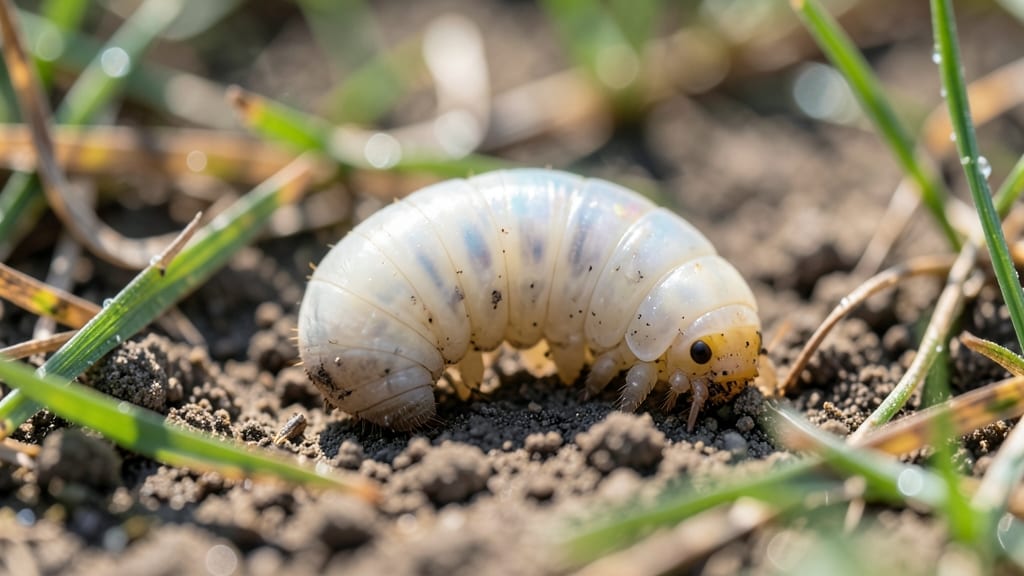
Here’s how to get rid of grubs in your garden naturally—without toxic chemicals or endless digging. 🌱 I’ve spent years battling these white, C-shaped larvae—Japanese beetle grubs, June beetle grubs, and the rest—only to finally crack the code on natural control. The key isn’t brute force; it’s outsmarting them with simple, eco-friendly barriers and soil health.
Diatomaceous earth isn’t just a buzzword—it’s a foolproof powder that smothers grubs without harming plants or pollinators. But the real game-changer is combining it with beneficial nematodes and ground beetles, which hunt grubs naturally.
My lawn went from patchy to lush in just two months after switching to this method.
You’ll learn how to spot grub damage (think: brown grass that pulls up like sod), where they hide (the top 6 inches of soil), and how to create a long-term defense that keeps them away for good.
No more digging up dead patches or watching your vegetables get eaten from below.
The best part? These solutions work for lawns, vegetable gardens, and flower beds alike. Once you understand their life cycle, you’ll see grubs as a manageable nuisance—not a hopeless battle. Let’s get your soil healthy again.
Root Causes of Grub Infestations
Grubs—those squirming, C-shaped larvae of beetles like Japanese beetles, June bugs, and chafers—can turn your lush garden into a chewed-up wasteland. But why do they show up in the first place? The answer lies in their biology, your soil’s health, and even your garden’s layout.
Understanding these triggers is the first step to stopping them naturally. Let’s dig into the real reasons grubs invade your garden and how they thrive there.
Grubs love moist, soft soil—it’s like an all-you-can-eat buffet for them. When your garden gets overwatered or has poor drainage, the topsoil stays damp longer, creating the perfect nursery for grub eggs to hatch and larvae to grow.
Compacted soil (often from foot traffic, heavy machinery, or clay-heavy ground) also makes it easier for grubs to burrow and feed undetected.
Why does this happen?
- Excess moisture: Grubs can’t survive in dry soil, so they seek out waterlogged areas where roots are tender and easy to munch.
- Lack of aeration: Compacted soil cuts off oxygen to roots, weakening plants and making them more vulnerable to grub attacks.
- Egg-laying hotspots: Female beetles target moist soil to deposit their eggs, knowing the larvae will have a steady food source.
💡 Pro Tip: Test your soil’s moisture by squeezing a handful—if water drips out, it’s too wet. Aim for soil that holds moisture but isn’t soggy.
Grubs don’t just appear out of nowhere—they’re the offspring of beetles that fly into your garden to lay eggs. If you’ve noticed swarms of Japanese beetles, June bugs, or rose chafers feasting on your plants, chances are their larvae (grubs) are already tunneling through your soil.
Why do beetles choose your garden?
- Attractive plants: Beetles are drawn to gardens with roses, grapes, raspberries, or lush lawns—their favorite food sources.
- Warmth and shelter: Gardens with mulch, leaf litter, or dense plantings provide ideal hiding spots for beetles to lay eggs.
- Seasonal timing: Most beetles lay eggs in late spring to early summer, when soil is warm and moist—peak grub-hatching season.
🔥 Watch for these beetle red flags:
- Holes in leaves (beetles chew irregular patterns).
- Swarms at dusk or after rain.
- Yellowing grass patches (a sign of grubs feasting on roots).
Grubs thrive in messy gardens where organic matter—like fallen leaves, grass clippings, or old mulch—piles up. This debris provides:
- Shelter: Grubs hide in leaf litter to avoid predators like birds and beetles.
- Food: Decaying plant material attracts beetles, which then lay eggs nearby.
- Moisture retention: Thick layers of mulch or leaves keep soil damp, extending grub survival time.
Why does this create a grub paradise?
Beetles are opportunistic. If your garden looks like a buffet with a built-in nursery, they’ll drop by. Even "clean" gardens can become grub magnets if neighboring yards or fields have heavy beetle populations.
🌡️ Quick Fix: Remove leaf litter, rake up grass clippings, and avoid over-mulching—grubs need less than 2–3 inches of mulch to feel at home.
Grubs don’t just appear—they follow a predictable life cycle tied to temperature and rainfall. Here’s how your local climate plays a role:
| Factor | How It Helps Grubs | Peak Risk Period |
|---|---|---|
| Warm, humid summers | Faster beetle reproduction; eggs hatch quickly in moist soil. | June–August |
| Mild winters | Grubs survive longer; some species overwinter in soil. | October–March |
| Heavy spring rains | Softens soil, making it easier for grubs to feed and pupate. | April–May |
| Drought followed by rain | Stressed plants attract beetles; sudden moisture triggers egg-hatching. | Late summer |
🎯 Key Takeaway: If you live in a region with hot summers and wet springs (like the Midwest or Northeast U.S.), you’re in the grub hotzone. Drier climates (e.g., Southwest) may see fewer grubs, but they can still strike after rare rain events.
Now that you know why grubs crash your garden party, the next step is cutting off their food, water, and shelter—naturally. Stay tuned for DIY traps, soil barriers, and plant-based repellents that smother grubs without chemicals!
Natural Ways to Outsmart Grubs
Grubs may seem like a stubborn garden foe, but with the right strategies, you can reclaim your soil—without harsh chemicals. Below, we’ve mapped the most common causes of grub infestations to practical, eco-friendly fixes, plus prevention tips to keep your plants thriving long-term.
Grubs thrive in soggy, dense soil where roots can’t breathe. If your lawn or garden feels spongy or puddles after rain, these steps will help:
🔥 Step 1: Test Your Soil’s Moisture
- Stick your finger 2–3 inches deep into the soil. If it’s damp but not waterlogged, your drainage may be fine. If it’s muddy or stays wet for days, you’ve got a drainage issue.
- Pro Tip: 💡 Use a soil moisture meter (or a cheap trowel) to check consistency before acting.
🍳 Step 2: Loosen the Soil
- Hand-fork or aerator: Rent a core aerator (or use a manual fork) to poke 3–4 inch holes every 6–12 inches in problem areas. This breaks up compacted layers where grubs hide.
- For heavy clay soil: Mix in 1–2 inches of compost or coarse sand to improve drainage.
👨🍳 Step 3: Encourage Beneficial Microbes
- Sprinkle beneficial nematodes (like Heterorhabditis bacteriophora) or mycorrhizal fungi over the soil. These microscopic allies smother grubs and boost root health.
- How to apply: Water the area first, then spread nematodes with a hose-end sprayer in the evening (they die in direct sunlight).
⏰ Prevention:
- Water deeply but less often—aim for 1–1.5 inches per week (including rain). Let the topsoil dry slightly between waterings.
- Avoid heavy foot traffic on wet lawns to prevent compaction.
If you’ve spotted chewed grass, wilting plants, or tunnels (like tiny molehills), grubs are likely feasting underground. Here’s how to physically remove them without chemicals:
🔪 Step 1: Uncover & Remove Grubs
- Best time: Early morning or late evening when grubs are near the surface.
- Tools needed: A hand trowel, bucket of soapy water, or a grub trap (a can buried halfway with beer—grubs crawl in and drown).
- How to do it:
- Flip over a small section of sod (or dig in garden beds).
- Look for white, C-shaped larvae (1/4–1/2 inch long).
- Drop them into soapy water to kill them instantly (or relocate them to a non-garden area).
🥘 Step 2: Disrupt Their Habitat
- Rake or till the soil to expose grubs to predators (birds, toads, or nematodes).
- Sprinkle diatomaceous earth (DE): Food-grade DE smothers grubs by dehydrating them. Reapply after rain.
🎯 Prevention:
- Plant grub-resistant grasses like tall fescue, zoysia, or buffalo grass.
- Mulch garden beds with straw or wood chips—this deters grubs from migrating upward.
Grubs hatch from eggs laid by Japanese beetles, June bugs, or chafers. Stop the cycle with these natural interceptors:
💡 Step 1: Trap Adult Beetles Before They Lay Eggs
- Beer traps: Bury a can filled with beer—beetles drown trying to reach it.
- Neem oil spray: Mix 1 tbsp neem oil + 1 tsp mild soap per gallon of water. Spray foliage and soil in late spring/early summer to repel egg-laying adults.
- Timing is key: Apply when beetles are most active (June–August).
🔥 Step 2: Use Milky Spore or Beneficial Microbes
- Milky spore (Bacillus popilliae): A natural bacteria that infects grubs and spreads in your soil for years. Best for Japanese beetle grubs.
- How to apply: Mix with water and spray on lawns in early summer.
- Compost tea: Brew worm castings or compost in water (1:5 ratio), steep for 24–48 hours, then strain and water plants. The good bacteria outcompete grub-friendly microbes.
✨ Prevention:
- Plant trap crops like marigolds, geraniums, or grapes—beetles prefer these over your veggies.
- Encourage predators: Leave leaf litter for toads, birds, and ground beetles (they eat grubs!).
Need a fast reference? Here’s how to match your problem to the solution:
| Problem Sign | Likely Cause | Fast Fix | Prevention |
|---|---|---|---|
| Soggy soil, puddles | Compacted/waterlogged soil | Aerate + add compost/sand | Reduce watering, improve drainage |
| Patchy lawn, chewed grass | Active grubs in topsoil | Hand-pick + diatomaceous earth | Mulch, plant resistant grasses |
| Japanese beetles on plants | Adults laying eggs | Neem oil + beer traps | Milky spore treatment |
| Wilting garden plants | Root-feeding grubs | Beneficial nematodes + rake soil | Encourage predator habitats |
Final Tip: 🌟 Monitor and repeat—grubs can return if conditions stay ideal. Check soil monthly in spring/fall, and treat at the first sign of tunnels or wilting. Your garden will thank you!
Frequently asked questions
How do I know if grubs are really the problem in my garden?
Look for these telltale signs: brown, patchy grass that pulls up easily (like sod), tunnels in the soil (like tiny molehills), or wilting plants with no other visible damage. Grubs feed on roots, so you’ll often see healthy-looking tops with rotting roots underneath. Flip over a small section of sod—if you find white, C-shaped larvae, you’ve got grubs!
Can diatomaceous earth harm my plants or pets?
Food-grade diatomaceous earth (DE) is safe for plants and pets when used correctly. It only harms grubs by dehydrating their exoskeletons. Just avoid inhaling the powder (wear a mask) and reapply after rain. For pets, keep them off treated areas until the DE settles into the soil (usually 24 hours). Always use food-grade DE, never pool-grade!
What’s the best time of year to treat grubs naturally?
Target grubs in late spring to early summer (May–June) when they’re most active after hatching, or again in fall (September–October) before they pupate. Early morning or evening applications work best—grubs are near the surface then. For nematodes, treat when soil temps are between 50–85°F (they die in extreme heat or cold).
Will beneficial nematodes work if my soil is too dry?
Nematodes need moist soil to move effectively—think of them as tiny submarines! Water the area thoroughly before applying, then rewater lightly every 2–3 days for 1–2 weeks to help them establish. If your soil stays bone-dry, consider switching to diatomaceous earth or milky spore instead, which don’t require constant moisture.
How long does it take to see results from natural grub treatments?
Most natural methods show results within 2–4 weeks, but milky spore can take 2–3 years to fully establish in your soil. Diatomaceous earth works fastest (days to weeks), while nematodes and compost tea build up over time. Monitor your garden closely—if you see improvement in 4 weeks but still have issues, combine methods (e.g., DE + nematodes) for better coverage.