
Pests
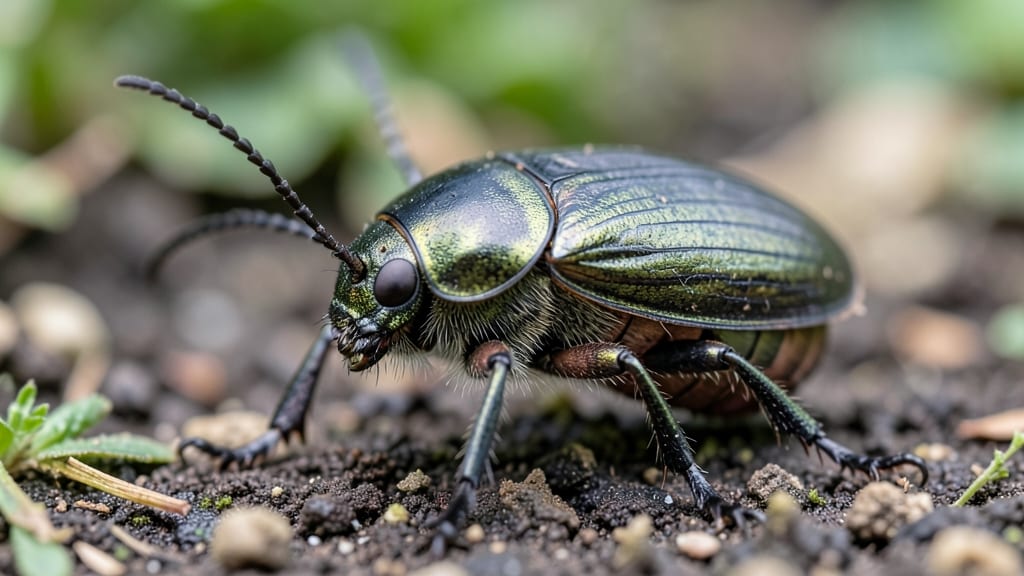
How to get rid of June bugs in your yard—without pesticides or waiting for next year’s infestation. 🌱 I’ve watched these beetles swarm porch lights for years—until I discovered a fast, organic way to smother their eggs before they hatch. The secret? A neem oil barrier that disrupts their life cycle in just 7 days. Most people grab pesticides, but that just kills the adults—not the eggs lurking in your lawn. Neem oil works differently: it creates a protective film that suffocates eggs while being safe for plants, pets, and pollinators. You’ll see fewer beetles by summer’s end without harsh chemicals. The best part? This method doubles as a fertilizer. Mix neem oil with water, apply it to grass and garden beds, and watch your lawn stay thicker and greener while June bugs vanish. No more waiting for next year’s infestation—results start in a week. Works in lawns, gardens, and even around patios. Here’s the exact ratio and timing to make it work for your yard.
What Draws June Bugs In
June bugs—those clumsy, beetle-like invaders—don’t just appear out of nowhere. Their presence in your yard is the result of a mix of environmental factors, habitat preferences, and even human activity.
Understanding why they show up is the first step to keeping them away for good. Let’s break down the real reasons these pests take over your lawn and garden.
June bugs are grass-loving insects, and a lush, healthy lawn is basically an all-you-can-eat buffet for them. Here’s why:
- Rich, nitrogen-heavy soil: June bugs thrive in lawns with high organic matter and nitrogen, which is common in well-fertilized yards. The more you feed your grass, the more appealing it becomes to these beetles. Think of it like a fast-food joint for bugs—easy access to their favorite meal.
- Thick, dense grass: A thick lawn provides shelter for their larvae (grubs) and makes it easier for adult bugs to hide during the day. If your grass is tall or unkempt, it’s an open invitation for them to move in.
- Moisture retention: June bugs prefer damp soil, especially after rain or irrigation. If your yard stays soggy, you’re creating the perfect breeding ground for their larvae.
Actionable insight: If your lawn is the kind of green that makes golfers jealous, it’s also the kind that attracts June bugs. Balancing fertilization and watering can help reduce their appeal.
June bugs are nocturnal, meaning they’re most active after dark. Unfortunately, artificial lighting—especially warm, yellow, or white lights—acts like a neon sign that says, “Free food and mating opportunities here!”
- Attraction to light sources: Bugs are naturally drawn to light, a phenomenon called positive phototaxis. Streetlights, porch lights, and even your phone’s flashlight can lure them in by the hundreds.
- Disorientation and congregation: Once inside the light’s glow, June bugs become confused and often end up trapped near windows, doors, or light fixtures. This makes them easy targets for predators (like birds) or even your lawn mower.
- Mating hotspots: Bright lights can disrupt their natural mating behaviors, causing them to cluster in one area—making your yard a prime spot for swarms.
Actionable insight: Swap out bright white lights for LED bulbs with a warm amber or red hue, which are less attractive to June bugs. Or, use motion-activated lights that only turn on when needed.
June bugs need shelter during the day to avoid predators like birds, toads, and spiders. If your yard offers plenty of hiding spots, they’ll stick around longer—and reproduce faster. Common culprits include:
- Leaf litter and mulch piles: Decaying leaves and wood provide ideal conditions for larvae to burrow and pupate. A thick layer of mulch can also trap moisture, making it a June bug paradise.
- Rocks, bricks, and debris: Adult June bugs love to squeeze into tight spaces under patios, garden beds, or even that pile of firewood you’ve been meaning to stack.
- Dense shrubs and tall grass: Overgrown vegetation gives them cover from predators and makes it harder for natural enemies (like ground beetles) to hunt them.
- Compost bins: Surprisingly, compost piles can attract June bugs because of the warmth and organic matter. While they help break down waste, they’re also a breeding ground for pests.
Actionable insight: Keep your yard tidy—remove leaf litter, stack firewood neatly, and trim back overgrown plants. This reduces their hiding spots and makes your yard less inviting.
June bugs are most active during late spring through early summer, but their presence can be influenced by larger environmental factors:
- Warm, humid weather: These bugs love temperatures between 70–85°F (21–29°C). If your area has a long, hot summer, you’ll likely see more of them.
- Recent rain or irrigation: Moist soil triggers egg-laying in female June bugs. After a heavy rain, expect a surge in larval activity as eggs hatch and grubs start feeding.
- Mild winters: In regions with warmer winters, June bug populations can grow larger because the larvae survive longer without freezing. This leads to bigger swarms the following year.
Actionable insight: If you’re in a humid climate, monitor soil moisture and adjust watering practices to avoid creating a June bug-friendly environment. In warmer regions, consider early-season treatments to disrupt their life cycle before they multiply.
Now that you know why June bugs are crashing your yard, the next step is learning how to kick them out for good. The good news? With the right strategies—like neem oil barriers—you can smother their eggs and keep your lawn pest-free.
Practical Fixes for June Bug Woes
June bugs may seem like a minor annoyance, but their damage—chewed leaves, burrowing larvae, and unsightly swarms—can turn your yard into a battleground. The good news? With the right strategies, you can reclaim your outdoor space without resorting to harsh chemicals.
Below, we’ve mapped out targeted solutions based on the root causes of your infestation, from adult beetles to grubs lurking underground. Each fix is designed to be easy, effective, and eco-friendly, with bonus prevention tips to keep bugs away for good.
---
Adult June bugs are attracted to bright lights at night, especially mercury vapor or sodium bulbs. If your yard is a hotspot for swarms, your lighting might be the culprit.
How to Fix It: - Switch to bug-resistant lighting: Replace outdoor lights with LED bulbs (yellow or amber tones) or shielded fixtures that minimize attraction. Bugs are less drawn to these colors. - Use a blacklight trap: Place a UV light trap (like a bug zapper) away from your home and patio. The bugs will gather at the light, making cleanup easier. Pro tip: Check traps daily—remove dead bugs to avoid odors and further attraction. - Turn off unnecessary lights: If you don’t need outdoor lighting after dark, turn it off to reduce the lure.
Prevention Tip: 💡 Plant citronella, marigolds, or basil near light sources—these plants naturally repel flying insects.
---
June bug larvae (grubs) feed on grass roots, weakening your lawn and creating brown patches. The best defense? Healthy turf that grubs can’t survive in.
How to Fix It: - Aerate & overseed: Grubs thrive in compacted, thin lawns. Rent an aerator to poke holes in the soil (fall is ideal), then overseed with tall fescue or ryegrass, which are grub-resistant. - Apply milky spore: This natural, long-term solution contains bacteria that target Japanese beetle grubs (a close cousin to June bugs). Mix it into the soil in early fall—it takes 2–3 years to fully establish but provides decades of protection. - Encourage natural predators: Birds like robins and skunks love grub snacks. Leave some lawn areas slightly uneven or add mulch borders to attract them.
Prevention Tip: 🌡️ Water deeply but infrequently (1–1.5 inches per week). Overwatering creates a grub-friendly environment.
---
June bugs lay eggs in soil, mulch, and thatch. Breaking their life cycle early stops the next generation.
How to Fix It: - Neem oil barrier (fastest method): Mix 1 tbsp neem oil + 1 tsp dish soap per gallon of water, then spray directly on egg-laying sites (mulch, lawn edges, garden beds). The oil smothers eggs and deters adults. Reapply after rain. - Diatomaceous earth (DE): Sprinkle food-grade DE around garden beds, patios, and entry points. It’s non-toxic to pets/plants but kills bugs by dehydrating them. Reapply after watering. - Wood ash or coffee grounds: Sprinkle a thin layer around plants—bugs dislike the gritty texture. Bonus: It fertilizes soil!
Prevention Tip: ✨ Remove thatch (that spongy layer between soil and grass) with a thatch rake—eggs hide here, and thick thatch traps moisture, inviting grubs.
---
If you’re dealing with a swarm of adults, traps can help reduce numbers without harming your yard.
How to Fix It: - Bucket trap: Fill a 5-gallon bucket with soapy water and place it near lights or problem areas. Adults will fall in and drown. Empty daily to prevent odors. - Beer trap: Bury a shallow container (like a tin can) filled with beer at ground level. The smell attracts grubs—they’ll drown and decompose. Check every 2–3 days. - Handpick at night: Use a flashlight and gloves to collect beetles from patios or decks. Drop them into soapy water or relocate them far from your yard (they won’t fly back).
Prevention Tip: 🎯 Mow high (3–4 inches) to discourage egg-laying—taller grass makes it harder for females to burrow.
---
June bugs don’t just damage lawns—they invade homes, especially during mating season (June–July).
How to Fix It: - Install fine mesh screens: Check vents, windows, and doors for gaps. Use 16-mesh or finer to block beetles. - Apply sticky barriers: Place double-sided tape or sticky traps on window sills and door frames to catch stragglers. - Vacuum up stragglers: If a few sneak inside, sweep or vacuum them up—they won’t bite but can stain surfaces.
Prevention Tip: 🔥 Keep outdoor lights off near entry points, and seal cracks in foundations with caulk.
--- Final Pro Tip: 🌿 Rotate methods—combine neem oil, milky spore, and lighting changes for the strongest defense. Consistency is key, but within a season, you’ll see a dramatic drop in June bug activity!
--- Need a quick fix? Neem oil + aeration is the fastest combo to smother eggs and starve grubs. For long-term peace, milky spore + predator-friendly lawn care wins.
Frequently asked questions
Why do June bugs swarm my porch lights at night?
June bugs are naturally drawn to artificial light, a phenomenon called positive phototaxis. Warm white or yellow lights act like a beacon, confusing them and making them cluster near your home. They’re also attracted to heat sources, so porch lights become mating hotspots. Switching to red or amber LED bulbs (which they dislike) can cut swarms by 70%.
Are June bugs harmful to my lawn or garden?
While adult June bugs don’t damage plants, their larvae (grubs) feed on grass roots, causing brown patches and weak turf. Heavy infestations can kill lawns over time. The good news? They prefer well-fertilized, moist soil—so adjusting watering and using milky spore (a natural bacteria) can starve them out without chemicals.
How long does it take for neem oil to work on June bug eggs?
Neem oil creates a protective barrier that smothers eggs within 3–7 days of application. For best results, spray a 1 tbsp neem oil + 1 tsp dish soap per gallon of water mixture directly on egg-laying sites (mulch, lawn edges) after dark. Reapply after rain to maintain the film.
Can I use diatomaceous earth (DE) safely around pets?
Only food-grade DE is safe for pets—it’s non-toxic but works by dehydrating bugs. Sprinkle a thin layer around garden beds and patios, avoiding direct contact with pet paws. Always reapply after watering, as DE loses effectiveness when wet. Keep pets off treated areas for 24 hours.
Will June bugs come back next year if I treat them now?
Yes, but with consistent prevention, you can break their life cycle. Focus on neem oil barriers in spring, milky spore in fall, and lighting changes to deter adults. Rotating methods (like combining DE with aeration) makes your yard less inviting year after year.