
Pests
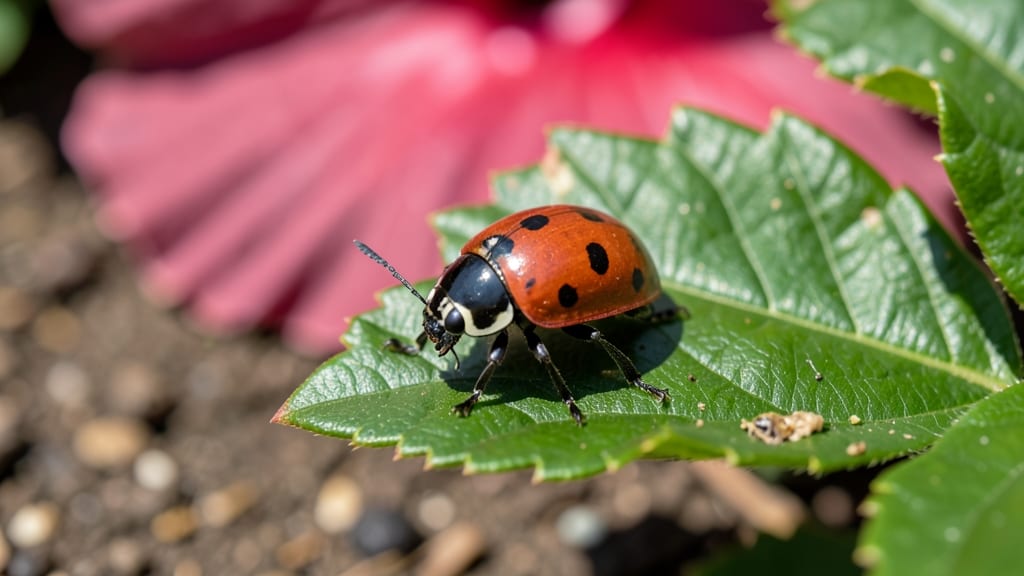
How to get rid of bugs on hibiscus naturally—sap-sucking pests like hibiscus bugs are a nightmare, turning glossy leaves dull and sticky with honeydew. 🌿 I’ve battled them for years, but this garlic-chili spray finally worked where neem oil and soapy water failed. It’s simple, fast, and won’t harm your plants or pollinators. The secret? A potent mix of garlic (natural insect repellent), chili peppers (bugs hate the heat), and a touch of dish soap to help it stick. You’ll spray it on a calm evening, and within 24 hours, you’ll see fewer pests crawling around. The smell fades quickly, leaving no residue. By morning, your hibiscus will look refreshed, and those stubborn bugs will be gone for good. No more wilting leaves or sticky honeydew—just happy, healthy blooms. Plus, it’s a zero-waste solution that keeps your garden thriving naturally. Works on aphids, spider mites, and whiteflies—common hibiscus pests. Here’s exactly how to make and apply it without harming your plants.
Root Causes Behind Hibiscus Bugs
Hibiscus plants are stunning, but their vibrant blooms and lush foliage can attract unwanted pests. Understanding why bugs target your hibiscus is the first step to keeping them pest-free. Below are the key reasons these critters invade your garden, along with the science behind their behavior.
---
🌿 Why it happens: Hibiscus plants thrive in warm, humid climates, but excessive moisture and poor airflow create the perfect breeding ground for pests like aphids, spider mites, and whiteflies.
When leaves are densely packed or water pools around the base, humidity levels rise, signaling to insects that the environment is ideal for reproduction.
- Scientific breakdown: High humidity weakens plant defenses by reducing the effectiveness of natural antifungal and antibacterial compounds.
Pests like aphids also secrete honeydew—a sugary substance that attracts fungal growth (sooty mold), further stressing the plant. - Actionable insight: Prune regularly to improve airflow and remove any yellowing or damaged leaves, which attract pests.
---
🛡️ Why it happens: Stressed hibiscus plants are more vulnerable to infestations. Overwatering, underwatering, nutrient deficiencies (especially nitrogen or potassium), or sudden temperature shifts weaken the plant’s natural pest-resistance mechanisms.
- Scientific breakdown: Healthy plants produce higher levels of volatile organic compounds (VOCs), which act as natural repellents.
When stressed, these compounds drop, making the plant an easy target for pests like mealybugs and scale insects. - Actionable insight: Maintain consistent watering (check soil moisture before watering) and fertilize with a balanced, slow-release fertilizer to boost resilience.
---
🐛 Why it happens: Hibiscus plants emit scents and produce nectar that can attract beneficial pollinators—but also pests.
Some bugs, like whiteflies and thrips, are drawn to the sweet sap and flower nectar, while others, like spider mites, thrive in dry conditions where hibiscus leaves become dusty and less hydrated.
- Scientific breakdown: - Whiteflies are attracted to the blue and yellow wavelengths reflected by hibiscus leaves, which mimic their host plants in nature. - Thrips feed on pollen and young buds, while aphids target tender new growth due to its high sugar content. - Spider mites prefer dry, dusty leaves because they can’t tolerate high humidity—so if your hibiscus is thirsty, they move in. - Actionable insight: Regularly wipe leaves with a damp cloth to remove dust and attract less pests.
Yellow sticky traps can also help monitor and reduce whitefly populations.
---
🌱 Why it happens: Poor soil health or an imbalance in the garden’s ecosystem can lead to pest outbreaks.
For example: - Fungal or bacterial infections in the soil (like root rot) weaken hibiscus roots, making them easier targets for pests. - Lack of natural predators (like ladybugs or lacewings) means pests like aphids and mites multiply unchecked.
- Scientific breakdown: Healthy soil supports beneficial microbes and predatory insects that keep pest populations in balance.
When soil is depleted or treated with harsh chemicals, these natural controls disappear. - Actionable insight: Amend soil with compost, avoid over-fertilizing, and introduce beneficial insects (like Aphidius colemani wasps) to target specific pests naturally.
--- 🌡️ Why it happens: Pests often strike during temperature shifts or drought conditions.
For instance: - Spider mites explode in numbers during hot, dry summers because they thrive in low humidity. - Scale insects and mealybugs prefer warm, stagnant conditions, often appearing after a sudden heatwave. - Fungal gnats breed in overly moist soil, especially in spring or after heavy rains.
- Scientific breakdown: Many pests have optimal temperature ranges for reproduction. For example, whiteflies reproduce fastest at 77–86°F (25–30°C), while spider mites prefer 80–90°F (27–32°C). - Actionable insight: Monitor weather patterns and adjust watering schedules. Mulching can help regulate soil temperature and retain moisture without inviting fungal gnats.
Natural Fixes For Common Hibiscus Bugs
Now that you know what’s munching on your hibiscus, it’s time to kick those pests to the curb—without harsh chemicals! Below are targeted, easy-to-follow solutions for the most common culprits, plus prevention tips to keep your plants thriving long-term. 🌿✨
---
Fix: These sap-sucking pests cluster on new growth and undersides of leaves. Here’s how to evict them fast:
1. 🔥 Blast Them Off with Water - Spray leaves directly with a strong stream of water (morning or evening) to dislodge aphids. Repeat every 2–3 days until gone.
2. 🍳 Homemade Garlic-Chili Spray (Star Player!) - Mix 1 chopped garlic clove + 1 tsp cayenne pepper + 1 tsp dish soap + 1 quart water. Let steep 24 hours, then strain and spray every 5–7 days. The garlic repels, while chili burns their bodies.
3. 👨🍳 Neem Oil Drench (Heavy Duty) - Combine 1 tbsp neem oil + 1 tsp mild castile soap + 1 quart water. Spray thoroughly (including stems) and repeat weekly until aphids vanish.
💡 Prevention Tip: - Encourage ladybugs (their natural predators!) by planting marigolds or dill nearby. 🐞
---
Fix: These microscopic pests spin webs and cause yellow stippling on leaves. Act fast—they multiply exponentially:
1. 🌡️ Shock Treatment with Water - Mist leaves daily (they hate humidity). For severe cases, rinse with water 2–3 times a week.
2. 🔪 Alcohol Wipe-Down (For Small Plants) - Dampen a cotton swab in 70% isopropyl alcohol and wipe infested areas. Test on a small leaf first—some hibiscus are sensitive!
3. ⏰ Systemic Neem Oil Soak - Soak roots in neem oil solution (1 tbsp oil + 1 tsp soap per gallon of water) for 10 minutes, then replant. Spray foliage weekly.
💡 Prevention Tip: - Keep soil moist (they thrive in dry conditions) and prune crowded branches for airflow. 🌬️
---
Fix: These tiny, winged pests flutter when you disturb leaves. They weaken plants by sucking sap:
1. 🕯️ Yellow Sticky Traps - Hang yellow cards coated with petroleum jelly near plants to trap adults. Replace weekly.
2. 🍳 Spinosad Spray (Organic Pesticide) - Mix 1 tsp spinosad (derived from soil bacteria) + 1 quart water. Spray early morning/evening for 2 weeks.
3. 🌿 Beneficial Wasp Release - Introduce encarsia formosa (a parasitic wasp) to your garden. They lay eggs inside whitefly larvae, killing them naturally. 🐝
💡 Prevention Tip: - Avoid over-fertilizing (whiteflies love nitrogen-rich soil) and inspect new plants before bringing them home.
---
Fix: These woolly white blobs hide in leaf crevices and stems. Scrape them off daily until gone:
1. 🔪 Manual Removal (Best First Step!) - Use a cotton swab dipped in rubbing alcohol to dab each bug. Drop them in soapy water to kill them.
2. 🥘 Horticultural Oil Smothering - Spray dormant oil (like neem or mineral oil) on infested areas. Cover the plant with a plastic bag for 24 hours to suffocate them.
3. 🌿 Ladybugs & Lacewings - Release beneficial insects (available at garden centers) or plant basil and fennel to attract them naturally.
💡 Prevention Tip: - Space plants widely to reduce humidity (mealybugs love damp, crowded areas). 🌧️→🌤️
---
Fix: These brown/brownish bumps stick to stems and leaves like glue. They’re tough but beatable:
1. 🧼 Soap & Water Scrub - Mix 1 tbsp castile soap + 1 quart water, spray, and scrub with a soft brush after 30 minutes.
2. 🔥 Boiling Water Treatment (For Potted Plants) - Pour boiling water over the soil (not leaves!) to shock scale off stems. Repeat weekly.
3. 🌿 Prune & Burn Infested Parts - Cut off heavily infested branches and burn or compost them (don’t reuse soil).
💡 Prevention Tip: - Inspect new plants for scale before adding them to your garden. 👀
--- **🎯 Universal Prevention
Frequently asked questions about natural hibiscus pest control
Can I use vinegar to kill bugs on my hibiscus?
Yes, but with caution! Mix 1 cup white vinegar + 1 gallon water and spray directly on pests like aphids or spider mites. Avoid spraying flowers or new growth—vinegar can burn tender tissue. Test on a small leaf first, and reapply every 3–4 days until bugs disappear.
How often should I apply neem oil to my hibiscus?
Apply neem oil every 7–10 days during active pest seasons (spring through fall). For severe infestations, spray twice weekly for 2 weeks, then switch to monthly maintenance. Always mix with 1 tsp mild soap per quart to help it stick to leaves.
Will garlic spray harm my hibiscus?
Not if used correctly! The garlic-chili spray in this guide is plant-safe when diluted properly. The key is straining out all solids and avoiding direct sun exposure for 24 hours after spraying. Hibiscus tolerate garlic's compounds well, but always spot-test a small leaf first.
What’s the fastest way to see results with natural pest control?
For immediate relief, combine water blasting (to physically remove pests) with the garlic-chili spray. Within 24–48 hours, you’ll notice fewer bugs. For stubborn infestations, add yellow sticky traps (for whiteflies) or introduce ladybugs (for aphids)—these provide visible results within 3–5 days.
Can I use these methods if my hibiscus is flowering?
Yes, but with adjustments! Avoid spraying flowers directly with garlic-chili or neem oil—focus on leaves and stems. For flowers, use a soft paintbrush dipped in soapy water to gently remove pests. Always spray in the early morning or evening to protect pollinators and let solutions dry before bees become active.