
Tools
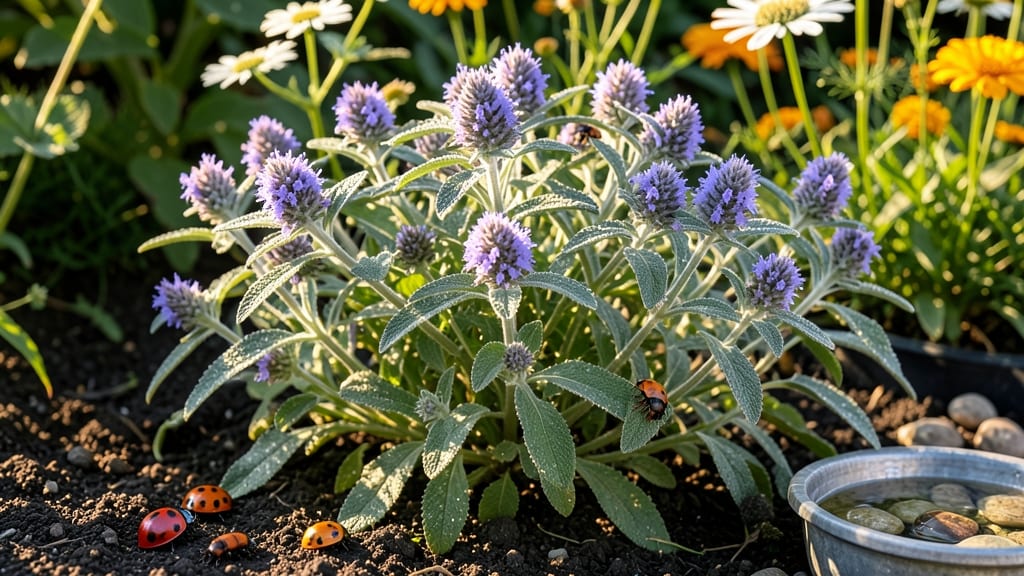
Your garden’s natural pest control just got a boost—how to encourage ladybugs in your garden is simpler than you think! 🌿 These tiny guardians devour aphids, mites, and other pests, but they’ll only stick around if you create the right habitat.
I’ve learned that planting the right flowers isn’t just about beauty; it’s about inviting these beneficial insects to set up shop.
The secret lies in five easy-to-grow flowers that ladybugs adore: marigolds, dill, yarrow, cosmos, and sweet alyssum. These plants provide food, shelter, and breeding grounds, turning your garden into a ladybug paradise. No pesticides, no traps—just nature’s way of keeping pests in check while adding vibrant color to your beds.
Within weeks, you’ll notice more ladybugs patrolling your plants, and fewer pests to deal with. The best part? These flowers thrive in most climates and pair beautifully with vegetables, making them a win-win for organic gardeners. Let’s get your garden buzzing with these helpful allies!
Fair warning: If you’ve used chemical sprays before, give your soil a break—ladybugs won’t visit if pesticides are still lingering. The payoff is worth it, though: fewer aphids, healthier plants, and a garden that hums with life. Ready to transform your space into a ladybug haven?
📚 In This Guide
- What you need
- Instructions
- Tips and common mistakes
- Wrapping up and next steps
What you need
- ● Native flowering plants (5+ varieties): Marigolds (at least 3 plants)
- ● Dill (2-3 plants)
- ● Fennel (1-2 plants)
- ● Cosmos (3-5 plants)
- ● Yarrow (2-3 plants)
- ● Watering can or hose (with adjustable nozzle for gentle watering)
- ● Organic mulch (e.g., straw or shredded leaves) (1-2 bags, ~2 cubic feet each)
- ○ Ladybug habitat (optional but helpful): Small wooden box or inverted flower pot (with holes for ventilation)
- ● Dried leaves or pine needles (for nesting material)
- ● Hand trowel (for gentle planting)
- ● Garden gloves (to protect hands while handling plants)
- ● Ladybug eggs or larvae (available from garden centers or online suppliers)
- ● Pesticide-free garden spray (to deter aphids, which attract ladybugs)
- ● Birdbath or shallow dish with water (for hydration)
Step-by-Step instructions for creating a ladybug-friendly garden
Here's how to turn your garden into a ladybug magnet using plants they adore.
🌱 Step 1: Plant Ladybug-Favorite Flowers
Start by selecting 5 key flowers that ladybugs can't resist: dill, marigolds, sweet alyssum, cosmos, and yarrow. These provide both food and shelter. I like to plant them in clusters near veggie beds—ladybugs will patrol the area for pests. Space plants 12-18 inches apart to allow airflow and easy access for beneficial insects.
Plant in full sun to partial shade (6+ hours of sunlight daily). Ladybugs prefer open, sunny spots where they can spot prey easily. Use the 3 gallons of potting mix to create small mounds around each plant—this improves drainage and prevents root rot, which keeps plants healthy for ladybugs to rely on.
🌿 Step 2: Add Nectar-Rich Plants for Adult Food
Adult ladybugs need nectar and pollen to survive. Mix in cosmos and yarrow—their bright flowers attract ladybugs from miles away. I plant cosmos in the back of the bed (they grow 3-4 feet tall) and yarrow in the front (1-2 feet tall). This creates a layered habitat that mimics their natural environment.
Add sweet alyssum along borders or edges—its tiny white flowers are a ladybug buffet. Plant it in 6-inch pots if space is limited, but place them near other flowers so ladybugs can move freely. Water deeply once a week (unless rain occurs) to keep plants lush and irresistible to beneficial insects.
☀️ Step 3: Provide Shelter and Water Sources
Ladybugs need shady spots to hide from predators and extreme heat. Place a small rock pile or dense mulch (like the 2 bags of shredded bark) near your flowers. I also add a shallow dish of water with pebbles—ladybugs drink from the surface, not by submerging. Change the water every 2-3 days to prevent mosquito breeding.
Mulch with shredded bark around the base of plants to retain moisture and regulate soil temperature. Keep mulch 2-3 inches deep—this mimics forest floors where ladybugs naturally thrive. Avoid thick layers, which can suffocate roots and deter ladybugs from settling in.
⏰ Step 4: Avoid Pesticides and Encourage Natural Habitats
Never use chemical pesticides—they kill ladybugs along with pests. Instead, handpick pests like aphids (a ladybug favorite) or spray with soapy water (1 tsp dish soap per gallon of water). Test on a small area first—some plants are sensitive. I apply this early in the morning so ladybugs have time to relocate before the spray dries.
Leave some wild areas in your garden—overgrown grass, leaf litter, or untidy corners provide hiding spots. Ladybugs lay eggs in these safe zones, so avoid tidying up too much. Even a single patch of untamed soil can become a ladybug nursery. Observe your garden daily—you’ll spot tiny orange eggs clustered on undersides of leaves within 1-2 weeks of planting.
🌿 Step 5: Monitor and Maintain Year-Round
Check plants weekly for ladybug activity. Look for tiny orange eggs on leaf undersides (common on dill and marigolds) or adults crawling between flowers. If you see aphids, ladybugs are likely nearby—just give them time to feast. I keep a small notebook to track sightings, noting which flowers attract the most ladybugs each season.
In fall, leave some plants standing (like cosmos) to provide winter shelter. Ladybugs hibernate in leaf litter or under bark, so avoid clearing garden beds completely. Prune dead or diseased foliage but leave healthy stems—these become ladybug hotels. By spring, you’ll see new ladybugs emerging, ready to patrol your garden.
Tips & tricks for creating a ladybug haven
Here's what I've learned after years of attracting these helpful little guys to my garden—tricks that'll make your ladybug population thrive faster than you'd expect.
Plant Placement Matters: In Step 1, when planting your dill and marigolds near veggie beds, place them close to aphid-prone plants like cabbage or roses. Ladybugs will naturally migrate toward these areas once they discover the pest buffet. I've seen ladybugs move in within days when planted strategically near their favorite snacks.
Layer Your Flowers for Maximum Impact: The height variation you create in Step 2—with cosmos in back and yarrow in front—does more than just look pretty. This layered approach mimics natural ecosystems where ladybugs can move freely between different food sources. I've noticed more consistent ladybug activity in gardens with this kind of vertical diversity.
Watering Wisdom: When you water your sweet alyssum once a week as mentioned in Step 2, do it in the morning. This gives ladybugs time to drink from the water droplets before the sun evaporates them. I've seen ladybugs congregating around plants right after morning watering—it's like their own little watering hole.
Fall Prep is Key: In Step 5, when leaving cosmos standing for winter, consider adding a few extra stems of yarrow to your fall garden. These plants provide essential shelter during colder months, and I've observed ladybugs using them as overwintering sites. The combination creates a more robust habitat for their survival.
Pro Tips for Encourage Ladybugs In Your Garden
- Here's what I've learned after years of attracting these helpful little guys to my garden—tricks that'll make your la...
- Plant Placement Matters: In Step 1, when planting your dill and marigolds near veggie beds, place them close to aphid...
- Layer Your Flowers for Maximum Impact: The height variation you create in Step 2—with cosmos in back and yarrow in fr...
Frequently asked questions
When is the best time of year to attract ladybugs?
Ladybugs are most active during spring and summer (April–September in most U.S. regions). Plant flowers like marigolds or dill early in the season to give them a head start. If you’re introducing them via release (e.g., buying larvae), do it in late spring or early summer when temperatures are mild and food sources are abundant.
What if I don’t see ladybugs after planting their favorite flowers?
Patience is key! Ladybugs may take 2–4 weeks to find your garden. If they’re still MIA, check for:
- Pesticides: Even "natural" sprays can harm them.
- Lack of water: A shallow dish with pebbles and water helps.
- Competition: Other predators (like lacewings) might be outcompeting them.
Can I grow ladybug-friendly plants in containers or small gardens?
Even balconies or window boxes work if you choose compact, pollinator-friendly plants like:
- Nasturtiums
- Basil
- Cosmos
Are there any plants I should avoid if I want ladybugs?
Ladybugs dislike heavy herbicides, synthetic fertilizers, and monoculture lawns. Avoid:
- Chemical pesticides (neonicotinoids are especially deadly).
- Non-native, invasive plants (they often lack the diversity ladybugs need).
- Overly manicured gardens (they prefer "wild" edges with weeds and debris).
What do I do if ladybugs turn into pests in my home?
Ladybugs rarely become pests, but if you spot them indoors:
- Seal gaps around windows/doors to prevent entry.
- Use a vacuum (release them outside, not near your garden!).
- Avoid squashing them—their yellow blood can stain surfaces.
Wrapping up and next steps
Encouraging ladybugs in your garden is a rewarding way to boost natural pest control and add beauty to your outdoor space! 🌸 By planting the right flowers—like marigolds, cosmos, or yarrow—you’re creating a welcoming habitat that supports these beneficial insects.
Start small, observe their arrival, and soon you’ll enjoy a thriving, balanced ecosystem.
Ready to take the next step? Pick one or two flowers from our list, plant them near your veggies or herbs, and watch as ladybugs transform your garden into a buzzing, pest-free paradise! 🐞✨