
Pests
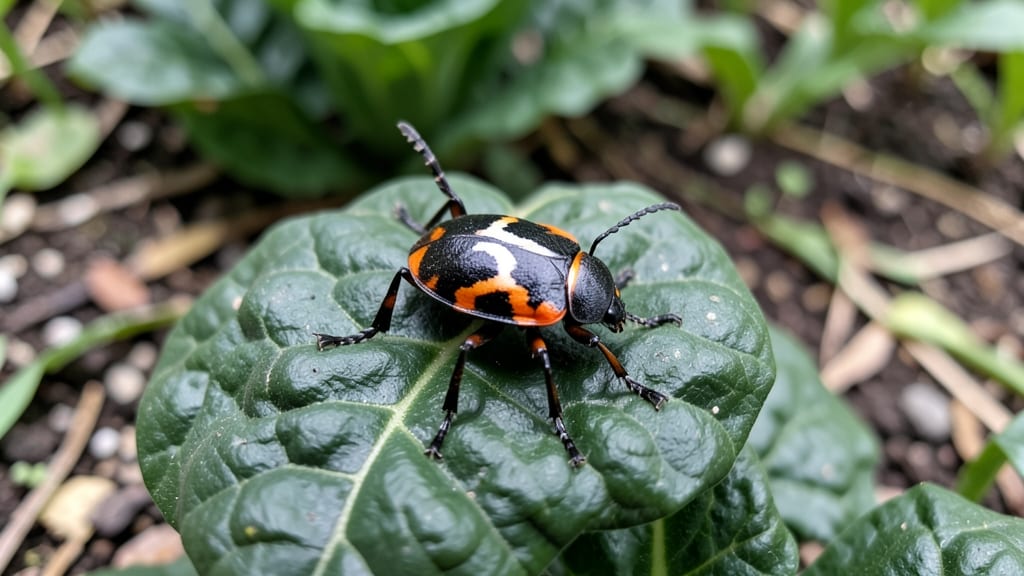
How to get rid of bugs on collard greens can turn your crisp harvest from a chewed-up mess back into a thriving, healthy crop. 🌿 I learned the hard way when cabbage worms decimated my first crop—until I discovered neem oil's secret weapon: smothering eggs and larvae before they hatch. This isn't just about spraying; it's about creating a protective barrier that actually works.
The problem starts small—tiny holes, yellowing leaves, or slimy trails—but left unchecked, pests like aphids and flea beetles multiply fast. Neem oil disrupts their life cycle while being safe for your plants (and pollinators) when used right.
You'll need just 1 tablespoon per quart of water, a spray bottle, and consistent timing—early morning or evening applications work best.
Within 24-48 hours of treatment, you'll see fewer new eggs and larvae struggling to survive. The real magic happens when you combine neem oil with row covers for extra protection. Your collards will bounce back with thicker, healthier leaves and fewer chew marks, giving you that satisfying crunch again.
Works for any collard variety, from heat-tolerant Southern types to cold-hardy Northern strains. The key is consistency—reapply every 7-10 days or after rain. No more losing your harvest to pests!
Why it happens
Collard greens are a gardener’s delight—nutrient-packed, hardy, and delicious—but they’re also a magnet for pests. Understanding why bugs target your collard greens is the first step to reclaiming your crop. Below, we break down the science behind the most common culprits and their motivations.
🌱 Overcrowded or Weak Plants 🌱
Collard greens thrive in spacious, well-aerated conditions, but when they’re planted too closely or struggle due to poor soil, they become prime targets.
Weak plants lack the energy to produce strong defenses, making them easy prey. Pests like aphids, flea beetles, and cabbage loopers exploit this vulnerability by feeding on tender leaves and stems.
- Poor air circulation: Dense foliage traps moisture, creating a humid microclimate that attracts fungal pests (like cabbage maggots) and soft-bodied insects.
- Nutrient deficiency: Yellowing leaves or stunted growth signal a lack of nitrogen or magnesium, weakening the plant’s natural pest resistance.
- Competition for resources: If collards are overshadowed by taller plants (e.g., corn or sunflowers), they grow slowly, becoming more susceptible to damage.
Pro tip: Space plants 12–18 inches apart and side-dress with compost to boost vigor. Healthy plants repel pests naturally! 💪
🐛 Attractive Host Plants 🐛
Collard greens are in the Brassica family, which means they share chemical signals with other cruciferous veggies—like kale, cabbage, and broccoli—that pests love. Many insects are drawn to collards because:
- Volatile organic compounds (VOCs): Collards release sulfur-containing compounds that act like a dinner bell for pests like imported cabbage worms and harlequin bugs.
- Soft, tender leaves: Unlike tougher greens (e.g., Swiss chard), collard leaves are delicate, making them ideal for chewing insects.
- Larval food source: Adult butterflies (e.g., cabbage whites) lay eggs on collards because the emerging larvae will have a ready-made buffet of fresh leaves.
Did you know? Some pests, like cabbage loopers, are polyphagous—they’ll munch on collards but also target tomatoes, peppers, and even herbs. Planting traps crops (e.g., radishes) can lure them away! 🎯
🌦️ Environmental Triggers 🌦️
Pests don’t invade randomly—they’re responding to environmental cues. Collard greens are especially vulnerable during:
- Warm, humid weather: Ideal for aphids and whiteflies, which thrive in temps above 70°F (21°C). High humidity also slows down beneficial predators (like ladybugs), giving pests the upper hand.
- Dry spells: Drought-stressed plants produce more sugars in their leaves, making them sweeter—and more attractive—to sap-sucking insects.
- Late summer/early fall: This is peak season for cabbage worms and loopers, as adult butterflies migrate to lay eggs before winter.
Science note: Some pests, like flea beetles, are thermophilic—they’re most active when soil temps exceed 65°F (18°C). Mulching with straw can help regulate temperature and deter them. 🌡️
🧪 Chemical Cues and Past Damage 🧪
Plants “remember” stress—and pests can smell it. If your collard greens have been:
- Previously damaged: Chewed leaves release damage-associated molecular patterns (DAMPs), signaling other pests to feast.
- Treated with synthetic pesticides: Some chemicals (e.g., neonicotinoids) can disrupt a plant’s natural defenses, making it more susceptible to secondary infestations.
- Infected with disease: Fungal or bacterial spots (e.g., downy mildew) create entry points for pests like slugs and earwigs.
Key takeaway: A preventive approach—like companion planting with basil or thyme—disrupts pest chemical trails and deters infestations before they start. 🚫🐛
Quick Fixes for Common Collard Green Pests
Got bugs on your collard greens? Don’t panic—these targeted solutions will help you reclaim your healthy, thriving plants. Below, we match the most common pests to their fixes, plus prevention tips to keep your greens bug-free for longer.
🔥 Fix: Blast them off with a strong stream of water from your hose. 🍳 DIY Spray: Mix 1 tsp of dish soap + 1 quart of water in a spray bottle. Apply directly to infested leaves (test on a small area first). 👨🍳 Neem Oil Barrier: Spray neem oil (1 tbsp per quart of water + 1 tsp mild soap) to smother eggs and deter new aphids. Reapply every 5–7 days.
💡 Prevention Tip: Encourage ladybugs (natural aphid predators) by planting marigolds nearby.
🔪 Handpick & Drop: Check undersides of leaves daily—drop larvae into soapy water. 🌡️ Heat Treatment: Wrap collard greens in plastic for 2–3 days to raise leaf temps to 100°F+, killing eggs and larvae. 🎯 Bacillus Thuringiensis (Bt): Spritz with this organic bacteria-based spray (safe for humans, deadly for caterpillars).
✨ Prevention Tip: Use row covers to block moths (their adult form) from laying eggs.
🥘 Trap Crops: Plant radishes nearby—flea beetles prefer them over collards. 🔪 Yellow Sticky Traps: Hang these near plants to catch adult beetles. 🌿 Diatomaceous Earth: Lightly dust soil around plants (reapply after rain).
💡 Prevention Tip: Mulch with straw to deter beetles from emerging from the soil.
🌡️ Water Blast: Spray leaves thoroughly to knock off mites (they hate humidity). 🍳 Neem Oil Spray: Apply neem oil + water + soap to suffocate mites and their eggs. 🎯 Introduce Predators: Release predatory mites or lacewings for long-term control.
✨ Prevention Tip: Keep plants well-watered—mites thrive in dry conditions.
🔪 Beer Traps: Bury a shallow dish of beer near plants—slugs crawl in and drown. 🌿 Copper Barriers: Place copper tape around garden edges (gives slugs a mild electric shock). 🥘 Iron Phosphide Bait (last resort): Use sparingly for severe infestations (follow label instructions).
💡 Prevention Tip: Handpick slugs at night (they’re slow and easy to spot with a flashlight).
- Rotate crops annually to disrupt pest life cycles.
- Plant companion crops like basil, thyme, or garlic to repel pests naturally.
- Inspect new plants before adding them to your garden.
- Remove debris regularly—pests love hiding in old leaves.
🔥 Pro Tip: Always test sprays on a small leaf first to avoid damaging your collards! With these fixes, your greens will bounce back faster than a flea beetle on a trampoline. 😉
Frequently asked questions about collard green pests
Can I use neem oil on collard greens if I'm harvesting them soon?
Neem oil is safe to use up to 1 day before harvest—just avoid spraying directly on leaves you plan to eat. For immediate harvests, try a water-soap spray (1 tsp dish soap per quart of water) instead. Always rinse greens thoroughly before cooking to remove any residue.
What's the best time of day to treat collard greens for pests?
Apply sprays like neem oil or insecticidal soap in the early morning or late evening when temperatures are cooler. This prevents leaf burn and maximizes effectiveness—pests are less active during these times, and beneficial insects like bees are less likely to be harmed.
Will companion planting really work for collard greens?
Yes! Planting basil, thyme, or marigolds nearby repels pests naturally by masking collard greens' scent. These companions also attract beneficial insects like ladybugs and lacewings that prey on aphids and cabbage worms. For extra protection, interplant with radishes to act as trap crops.
How do I know if my collard greens have mites instead of aphids?
Check the undersides of leaves—mites appear as tiny moving dots, while aphids are stationary and clustered. Mites cause stippling (tiny white dots) on leaves, whereas aphids leave sticky residue (honeydew). Use a magnifying glass if needed, and treat mites with neem oil or predatory mites.
Can I reuse neem oil spray if I stored it in the fridge?
No—neem oil breaks down when refrigerated and loses effectiveness. Always mix fresh spray (1 tbsp neem oil + 1 tsp soap per quart of water) before each use. Store unused oil in a cool, dark place (not the fridge) for up to 6 months. Discard any spray left in spray bottles after 24 hours.