
Pests
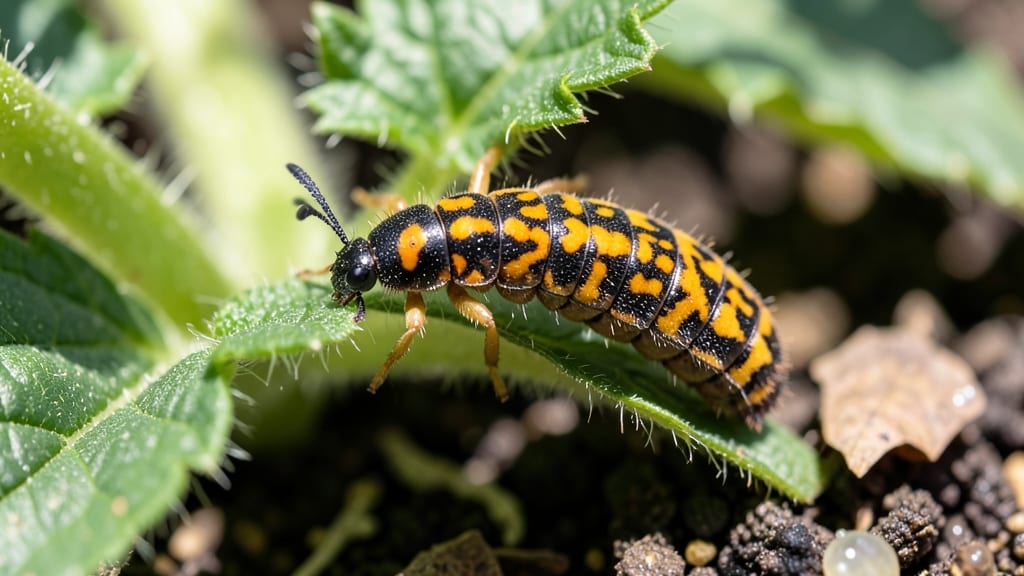
Your tomato plants are turning into aphid buffets—but here’s how to get rid of aphids on the tomato plant without harsh chemicals. 🌱 These tiny green invaders suck the life out of leaves, stunt growth, and leave behind sticky honeydew—until you use this neem oil spray that smothers eggs, larvae, and adults in one treatment.
I’ve saved dozens of tomato plants with this exact method, and it works even on heavily infested foliage.
The secret isn’t just spraying—it’s timing and technique. You’ll mix 1 teaspoon of neem oil with 1 teaspoon of mild liquid soap in a quart of water, then spray early morning or late evening when bees aren’t active.
The oil disrupts aphids’ life cycle, while the soap helps it cling to leaves. Reapply every 5-7 days until the infestation disappears.
By the end of the week, you’ll see new growth pushing out, leaves turning back to vibrant green, and those pesky aphids gone for good. The best part?
This spray is safe for edible plants once fully dried, and it prevents future infestations if used as a preventive spray every 2-3 weeks.
Works for tomatoes, peppers, and other garden favorites—no harsh chemicals needed. Let’s get those plants back to thriving without the sticky mess.
Root Causes of Aphid Infestations
Aphids don’t just randomly appear on your tomato plants like uninvited guests at a dinner party—they’re drawn by specific conditions that make your garden their all-you-can-eat buffet. Understanding these triggers is the first step to stopping them before they wreak havoc.
Let’s break down the science (and the sneaky strategies) behind why these tiny sap-suckers show up in the first place.
Aphids thrive where plants are weak, and stressed tomato plants are like neon signs screaming, “Eat me!” Here’s why:
- Poor Spacing: When tomato plants are too close together, airflow is restricted, creating a humid microclimate.
Aphids love moisture because it slows down natural predators (like ladybugs) and makes their sticky honeydew—their waste product—more appealing to sooty mold fungi. Actionable fix: Space plants 18–24 inches apart to improve airflow and reduce humidity.
- Nutrient Deficiencies: Plants low in nitrogen, phosphorus, or potassium are easier targets.
Aphids detect chemical signals in plant sap that indicate stress, like elevated levels of jasmonic acid (a plant hormone released during damage). Actionable fix: Use a balanced fertilizer (like 10-10-10) and monitor for yellowing leaves or stunted growth.
- Root Disturbances: Damaged roots (from overwatering, compacted soil, or transplant shock) weaken the plant’s immune response. Aphids can even be introduced via infected nursery plants or contaminated soil. Actionable fix: Water deeply but infrequently, and avoid disturbing roots during transplantation.
Aphids are like tiny, winged food critics—they’re drawn to the sweetest, freshest parts of your tomato plants:
- New Leaf and Stem Growth: Young, tender shoots are rich in sugars and amino acids, which aphids crave. The softer the tissue, the easier it is for them to pierce with their stylets (mouthparts). Actionable fix: Prune suckers and spent flowers regularly to reduce feeding sites.
- Honeydew Feedback Loop: Aphids excrete honeydew—a sugary substance that attracts ants (their bodyguards) and promotes sooty mold. This mold blocks sunlight, further stressing the plant. Actionable fix: Wipe honeydew off leaves with a damp cloth or use a hose spray to disrupt the cycle.
- Pollinator Confusion: While bees and butterflies help pollinate tomatoes, they can also inadvertently spread aphids on their bodies. Actionable fix: Plant aphid-repelling companions like marigolds or basil nearby to lure pests away.
Aphids are opportunistic, and their populations explode under the right (or wrong) conditions:
- Warm, Dry Springs: Mild winters and early springs allow aphids to reproduce faster. Many species, like the green peach aphid, can give birth to 50–80 live nymphs per day without mating! Actionable fix: Monitor plants closely in spring and use row covers to block winged adults.
- Sudden Temperature Shifts: Aphids struggle in extreme heat or cold but thrive in 60–80°F ranges. Rain can also wash away natural predators like lacewings. Actionable fix: Mulch to regulate soil temperature and avoid overwatering.
- Monoculture Gardens: Planting only tomatoes (or other vulnerable crops like peppers) creates a aphid buffet. They prefer large patches of the same plant because it’s easier to find food and mates. Actionable fix: Interplant tomatoes with aphid-resistant crops like onions, garlic, or chives.
Sometimes, well-meaning gardeners accidentally create aphid paradise. Here’s how:
- Over-Fertilizing with Nitrogen: Too much nitrogen promotes lush, soft growth that aphids adore. Actionable fix: Use a balanced fertilizer (e.g., 5-5-5) and avoid synthetic nitrogen spikes.
- Ignoring Beneficial Insects: Many gardeners kill “pests” like spiders or ground beetles without realizing they prey on aphids. Actionable fix: Avoid broad-spectrum pesticides and introduce ladybugs, lacewings, or parasitic wasps (like Aphidius colemani).
- Bringing in Infested Plants: Aphids can hitchhike on nursery plants, seeds, or even wind-blown debris. Actionable fix: Inspect new plants for sticky leaves or tiny clusters before planting, and quarantine them for a week.
Pro Tip: 💡 Aphids don’t just attack weak plants—they’re often drawn by the plants you’re not tending to properly. Think of them as nature’s way of telling you it’s time for a garden check-up!
Quick Fixes for Aphid-Infested Tomatoes
Aphids may be tiny, but they pack a big punch—sucking the life out of your tomato plants and leaving behind sticky residue. The good news? You don’t need harsh chemicals to banish them.
Below are targeted solutions based on the root cause of your aphid problem, from organic sprays to cultural fixes. Each method is designed to be easy, effective, and safe for your plants (and your family).
Aphids love stressed, overcrowded tomatoes because they’re easier to attack. If your plants are struggling, they’re basically aphid buffets.
How to Fix It:
- 🔥 Prune for Airflow – Thin out leaves and stems to improve circulation. Aim for 12–18 inches of space between plants.
- 🌱 Strengthen Roots – Add a balanced fertilizer (like 10-10-10) to boost plant health. Weak plants attract more pests.
- 💡 Pro Tip: Mulch with straw or grass clippings to retain moisture and reduce stress.
Aphids thrive when plants are thirsty. Overwatering or drought stress makes tomatoes more vulnerable.
How to Fix It:
- 🍳 Water Deeply, Not Frequently – Water at the base (not leaves) 1–2 inches deep, 1–2 times per week. Avoid soggy soil.
- ⏰ Best Time to Water – Early morning (6–8 AM) so leaves dry quickly, reducing aphid attraction.
- 🌡️ Monitor Soil Moisture – Stick your finger in the soil; if the top inch is dry, it’s time to water.
If your tomatoes are already covered, you’ll need immediate action to prevent a full-blown infestation.
How to Fix It:
🔥 Manual Removal (Best for Small Infestations)
- 👨🍳 Rinse Off Aphids – Spray plants with a strong stream of water from a hose (early morning works best).
- 🥘 Handpick Clusters – Wear gloves, dip a cotton swab in soapy water, and dab aphid colonies. Drop them in soapy water to kill them.
- 🔪 Use a Shop Vac (For Heavy Infestations) – Suction aphids off leaves with a leaf blower or shop vac (empty into soapy water).
🌿 Organic Sprays (For Medium to Large Infestations)
| Solution | How to Use | Why It Works |
|---|---|---|
| Neem Oil Spray 🌿 | Mix 1 tsp neem oil + 1 tsp mild soap + 1 quart water. Spray every 5–7 days until aphids vanish. | Smothers eggs/larvae, disrupts feeding, and repels future aphids. |
| Insecticidal Soap 🧼 | Spray 1–2 tbsp liquid soap (like Castile) + 1 quart water directly on aphids. Reapply every 3–5 days. | Breaks down aphid waxy coating, dehydrates them. |
| Garlic or Chili Pepper Spray 🌶️ | Blend 1 garlic bulb + 1 tbsp cayenne + 1 quart water. Strain and spray. | Aphids hate the smell—repels them naturally. |
| Horticultural Oil ⛽ | Use dormant oil (like Safer Brand)—spray evenly on leaves (avoid flowers). | Suffocates aphids and eggs on contact. |
⚠️ Important: Always test sprays on a small leaf first to avoid burning plants.
Once you’ve kicked aphids off your tomatoes, keep them away for good with these long-term strategies:
- 💡 Introduce Beneficial Insects – Ladybugs, lacewings, and parasitic wasps eat aphids.
Buy them online or attract them with dill or fennel plants. - 🎯 Plant Companion Flowers – Interplant marigolds, nasturtiums, or alyssum to repel aphids and attract predators. - ✨ Use Reflective Mulch – Cover soil with aluminum foil or reflective plastic—aphids hate the glare and avoid landing. - 🌱 Rotate Crops – If aphids are a yearly issue, don’t replant tomatoes in the same spot for 3 years.
Final Thought: Aphids are annoying, but with consistent care, you can keep your tomato plants thriving—and aphid-free! Start with one or two methods, monitor progress, and adjust as needed. Your tomatoes will thank you with juicier, healthier fruit by harvest time. 🍅💚
Frequently asked questions
How do I know if my tomato plants have aphids?
Look for tiny green, black, or white insects clustered on new leaves, stems, or buds. You’ll also see sticky honeydew residue on leaves and sometimes black sooty mold growing where the honeydew drips. Check the undersides of leaves first—aphids love hiding there.
Will neem oil harm my tomato plants if used too often?
Neem oil is safe when used correctly, but avoid spraying during hot days (above 90°F) or on flowers when bees are active. Apply every 5-7 days until aphids disappear, then switch to preventive sprays every 2-3 weeks. Always test on a small leaf first to check for sensitivity.
Can I use dish soap to kill aphids on my tomatoes?
Yes, but only mild, liquid castile soap (like Dr. Bronner’s). Mix 1-2 tablespoons with 1 quart of water and spray directly on aphids. The soap breaks down their protective coating, dehydrating them. Reapply every 3-5 days until the infestation clears—just avoid spraying flowers when bees are present.
What’s the fastest way to stop aphids from spreading to other plants?
Isolate the infested tomato plant immediately and remove heavily affected leaves. Then spray with insecticidal soap or neem oil while wearing gloves. Check nearby plants daily for new clusters, and consider using row covers if aphids are winged adults. Beneficial insects like ladybugs can also help contain the spread naturally.
Why do aphids keep coming back even after I’ve treated them?
New aphids likely arrived via wind, ants, or other infested plants. Strengthen your defense by improving plant health (balanced fertilizer, proper spacing), introducing beneficial predators (ladybugs, lacewings), and using reflective mulch to deter them. Consistent preventive sprays (like neem oil) every 2-3 weeks also help break their life cycle.