
Aphids
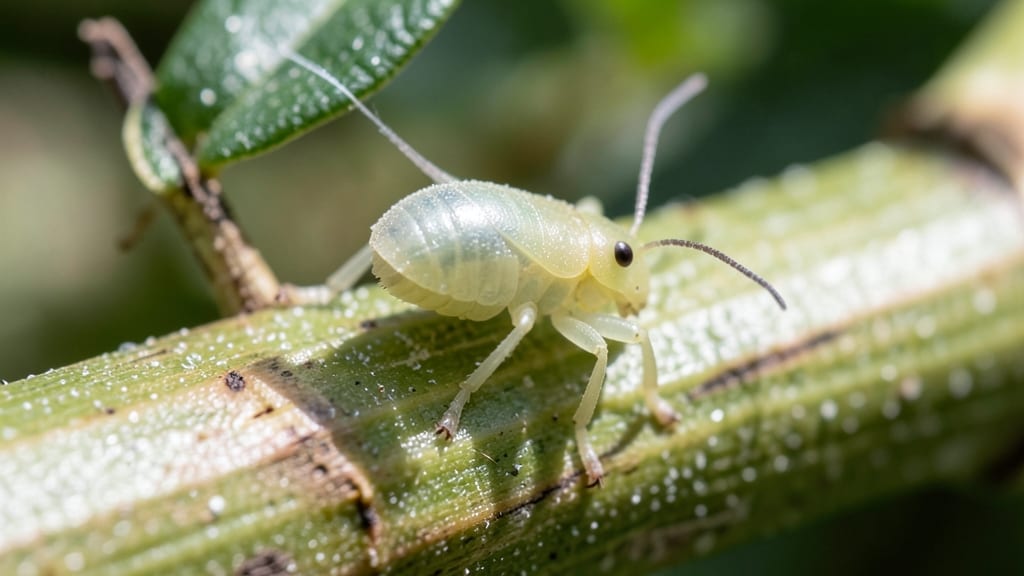
How to get rid of aphids on bamboo: Sticky leaves and curled fronds mean these sap-sucking pests have invaded your bamboo. 🌱 These pests drain energy from your plants, stunting growth and attracting ants—but neem oil creates a natural, smothering barrier that works without harsh chemicals.
The secret lies in neem oil’s double action: it disrupts aphids’ life cycle while coating their bodies to block breathing. Unlike chemical sprays, this method targets pests without harming beneficial insects or your bamboo’s delicate new shoots.
Just mix 1 tablespoon of neem oil with 1 quart of water, add a drop of dish soap, and spray thoroughly—especially undersides where aphids hide.
Within 24 hours, you’ll see clusters of aphids dropping off, and new growth will emerge cleaner and stronger. The oil also prevents reinfestation for 2-3 weeks when reapplied after rain. Your bamboo won’t just survive—it’ll thrive, with vibrant canes and lush foliage that outcompete pests naturally.
Works for all bamboo types, from dwarf varieties to towering clumping types, and pairs perfectly with companion planting (like marigolds) for long-term protection. Here’s the full step-by-step process to reclaim your bamboo’s health without compromising the ecosystem.
Root Causes of Aphid Outbreaks
Aphids may seem like tiny, harmless pests, but they thrive on bamboo due to a mix of environmental factors, plant biology, and even human influence. Understanding why these sap-sucking insects target your bamboo—and multiply rapidly—is the first step to stopping them before they cause lasting damage.
Let’s break down the science behind their infestation.
Aphids are opportunistic feeders, and stressed bamboo is like an all-you-can-eat buffet for them. When bamboo plants are overcrowded, nutrients become scarce, and competition for sunlight and water increases. This stress triggers the plant to produce more phloem sap—the sweet, nutrient-rich liquid aphids crave. Additionally:
- Competition for resources: Dense bamboo clumps create microclimates where humidity rises, and airflow drops—ideal conditions for aphid reproduction.
- Weakened defenses: Stressed plants produce fewer secondary metabolites (natural chemicals that repel pests), making them easier targets.
- Root competition: Overgrown roots can’t absorb enough water, leading to wilting or yellowing leaves, which aphids detect as a sign of vulnerability.
Actionable insight: Prune bamboo regularly to improve airflow and reduce stress. Space plants 3–5 feet apart to prevent overcrowding.
Aphids have a sixth sense for new growth. When bamboo shoots emerge—especially tender, unfurled leaves—they’re packed with sugars and amino acids, making them aphid magnets. Here’s why:
- High sugar content: Young leaves contain up to 30% more soluble sugars than mature foliage, which aphids detect using specialized sensory receptors on their antennae.
- Thin cell walls: New growth has softer, less lignified tissues, making it easier for aphids to penetrate with their stylets (mouthparts).
- Volatile organic compounds (VOCs): Emerging shoots release chemical signals that aphids follow, almost like a scent trail.
Actionable insight: Monitor new shoots closely and apply neem oil or insecticidal soap before aphids arrive. Handpick clusters early to disrupt their feeding cycle.
Here’s a shocking twist: ants don’t just tolerate aphids—they actively protect and “farm” them. Aphids excrete a sticky, sugary substance called honeydew, which ants harvest as a food source. This mutualistic relationship accelerates infestations:
- Ant “herding”:strong> Worker ants stroke aphids with their antennae to stimulate honeydew production and even move aphids to healthier plants.
- Protective barriers: Ants build shelters (often from chewed plant material) around aphid colonies, shielding them from predators and pesticides.
- Population explosion: Without ant interference, aphid numbers drop by 70–90% due to natural predators like ladybugs and lacewings.
Actionable insight: Disrupt ant-aphid relationships by:
- Setting up borax or diatomaceous earth bait stations for ants (avoid harming beneficial insects).
- Pruning branches where ants are active to break their “farms.”
- Encouraging natural predators by planting companion flowers (e.g., marigolds, dill) near bamboo.
Aphids are cold-blooded insects, and their activity doubles with every 10°F temperature increase within their ideal range (60–85°F). Humidity plays a critical role too:
| Factor | Why It Helps Aphids |
|---|---|
| Temperature (70–80°F) | Speeds up aphid reproduction (some species produce 10–12 generations per year). |
| High humidity (60%+) | Prevents desiccation (drying out) and allows nymphs to survive longer. |
| Still air | Reduces predation by wasps and hoverflies, which rely on wind to locate prey. |
Actionable insight: Improve airflow around bamboo with:
- Strategic pruning to create “wind tunnels.”
- Mulching with gravel or bark chips (instead of thick organic mulch) to reduce soil moisture retention.
- Avoiding overhead watering, which increases humidity on leaves.
Pro tip: 🌡️ Use a thermometer-hygrometer to monitor conditions. If humidity exceeds 70% for >3 days, aphids will likely surge.
Natural Fixes for Aphid-Infested Bamboo
Aphids may seem like a stubborn pest, but with the right approach, you can restore your bamboo’s health without harsh chemicals. Below are targeted solutions based on the most common causes—whether it’s overcrowded plants, weak foliage, or an aphid infestation gone unchecked.
If your bamboo is packed too tightly or struggling from poor airflow, aphids will thrive. Fix it with these steps:
- 🌿 Trim Back Overgrowth
- Use clean, sharp pruners to remove 1/3 of the oldest canes (they compete for nutrients).
- Cut back yellowing or dead leaves—aphids love weak spots.
- Pro Tip: 💡 Prune in early spring when new growth is just starting.
- 🌱 Boost Plant Health with Fertilizer
- Aphids target stressed plants. Feed your bamboo with a balanced fertilizer (10-10-10 ratio) every 4-6 weeks in growing season.
- For organic strength, mix compost or worm castings into the soil.
- Warning: ⚠️ Avoid high-nitrogen fertilizers—they encourage soft, aphid-loving growth.
- 💦 Water at the Base (Not the Leaves!) - Aphids hate dry conditions.
Water deeply at the soil level (1-2 inches per week). - Avoid wetting foliage—this creates a sticky honeydew haven for ants (which love aphids). - Pro Tip: 🌡️ Morning watering prevents fungal issues from damp leaves.
If aphids have already moved in, act fast with these non-toxic, effective methods:
🍳 Neem Oil Barrier (Best for Prevention & Treatment)
Neem oil smothers aphids while disrupting their reproduction. Here’s how to apply it right:
| Step | Action | Why It Works |
|---|---|---|
| 🔥 Mix Solution | Combine 1 tbsp neem oil + 1 tsp mild soap (like Castile) + 1 quart water. | Soap helps the oil stick to leaves. |
| 👨🍳 Spray Thoroughly | Coat both sides of leaves and stems every 5-7 days for 2 weeks. | Aphids can’t survive the oil’s bitter taste. |
| 🌙 Apply at Dusk | Spray when aphids are active but temps are cool (below 85°F). | Prevents leaf burn from sunlight. |
Pro Tip: ✨ Reapply after rain—neem oil washes off quickly!
🚰 Blast Them Away with Water (Quick Fix)
- 🔥 Direct a strong stream of water at aphid clusters for 10-15 seconds.
- Repeat every 2-3 days until they’re gone.
- Best for: Small infestations on young shoots.
🐝 Introduce Beneficial Insects (Long-Term Defense)
Ladybugs, lacewings, and parasitic wasps eat aphids without harming your bamboo.
Buy them online or attract them naturally: - 🌿 Plant companion flowers like dill, fennel, or marigolds near your bamboo. - 🌙 Leave some aphids (yes, really!)—predators need a food source to stick around.
Once your bamboo is aphid-free, lock it in with these low-maintenance habits:
- 🌿 Inspect weekly—check new growth, undersides of leaves, and stem joints (aphid hotspots). - 🍃 Remove debris—aphids hide in fallen leaves and mulch.
Clear around your bamboo monthly. - 🌱 Mulch with cedar or pine needles—aphids hate the scent of these woods. - 🌱 Rotate neem oil treatments—use it every 4-6 weeks as a preventive spray.
Final Thought: Aphids may be pesky, but with neem oil, proper pruning, and a little vigilance, your bamboo can stay strong, green, and aphid-free—naturally! 🌱💚
Frequently asked questions
Why do aphids prefer bamboo over other plants?
Bamboo’s tender new shoots contain high sugar levels that aphids find irresistible. The plants’ rapid growth and soft foliage make them easy targets, while stressed bamboo produces even more sap—aphids’ favorite food. Overcrowded bamboo also creates humid microclimates that accelerate their reproduction.
How often should I apply neem oil to keep aphids away?
For active treatment, spray every 5-7 days for 2 weeks, then switch to monthly applications as prevention. Reapply after rain since neem oil washes off quickly. Always use at dusk to avoid leaf burn from sunlight.
Will soapy water harm my bamboo if I use it to remove aphids?
Mild, diluted soap (like Castile) is safe when used properly. Mix 1 teaspoon per 1 quart of water—never use dish soap directly. Avoid spraying during hot weather or on young shoots, which can be sensitive. Always test on a small leaf first.
Can I use chemical pesticides on bamboo without damaging it?
Most chemical pesticides are too harsh for bamboo’s delicate foliage and can stunt growth. Instead, opt for neem oil or insecticidal soap—both target aphids while being plant-safe. If you must use chemicals, consult a local nursery for bamboo-specific, low-toxicity options like horticultural oils.
How do I know if my bamboo is recovering from an aphid infestation?
Look for new, vibrant growth and fewer sticky residue spots (honeydew). Within 2-3 weeks of treatment, you should see aphid clusters disappearing and leaves unfurling without curling. Stronger roots and fewer yellowing leaves also indicate recovery.