
Blooming
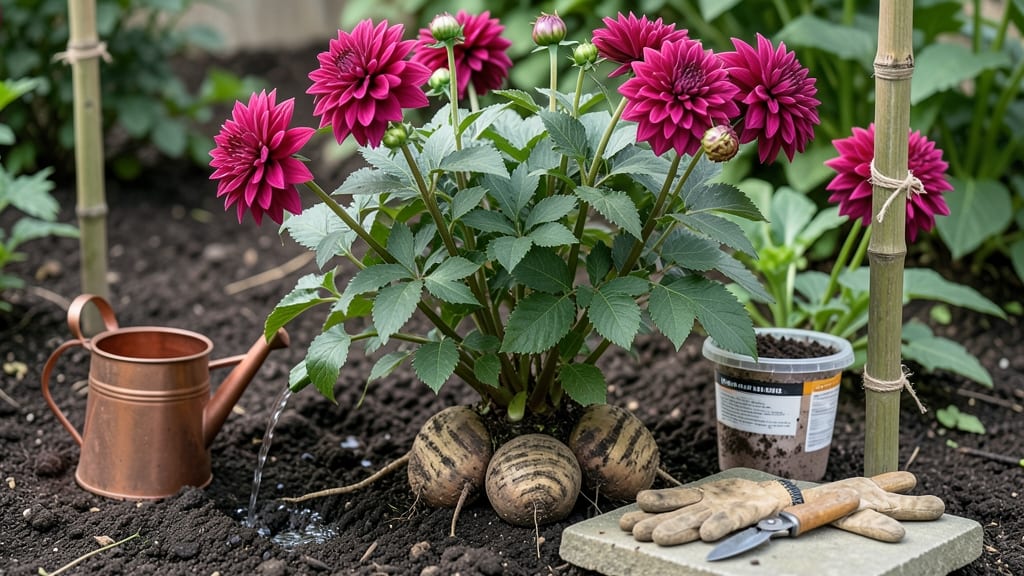
How to get dahlias to bloom—that’s the golden ticket for any gardener who’s spent weeks watching lush green leaves sprout, only to be left staring at a plant that refuses to flower. It’s the most frustrating part of gardening: all that energy going into foliage instead of those stunning blooms you planted for. 🌿 I’ve spent years troubleshooting why dahlias act this way, and the fix is simpler than you’d think: it’s not just about sunlight or soil, but the timing of how you manage them after they sprout.
The biggest mistake? Overdoing nitrogen fertilizer or skipping deadheading. Too much nitrogen = leafy monsters, no flowers. Too little deadheading = wasted energy on spent blooms instead of new ones. Start by cutting back on high-nitrogen feeds after the first flush of growth, then switch to a bloom-boosting fertilizer.
And yes, deadheading daily makes the difference between a few blooms and a nonstop summer show.
By mid-summer, you’ll see the payoff: thick stems packed with buds instead of straggly growth. The key is balancing pruning (cut back early shoots to encourage stronger stems) with consistent care.
Even in partial shade, dahlias will reward you with bold blooms if you follow these steps—no black magic, just smart timing and a little elbow grease.
This method works for both garden beds and containers, and the same principles apply whether you’re growing heirlooms or modern hybrids. The only real variable? Your commitment to regular deadheading—once you start, you’ll never go back to the old way.
📚 In This Guide
- What you need
- Instructions
- Tips and common mistakes
- Wrapping up and next steps
What you need
- ● Dahlia tubers: Choose healthy, disease-free tubers (1-3 per plant, depending on variety). Pro tip: Opt for tubers with multiple "eyes" (growth points) for bushier plants!
- ● Well-draining potting mix or garden soil: Dahlias hate soggy roots! Mix in compost (50%) and perlite or sand (20%) for optimal drainage.
- ● Balanced fertilizer (10-10-10 or 5-10-10): Use 1-2 tablespoons per plant at planting and every 2-3 weeks during the growing season.
- ● Pruning shears or sharp scissors: Sterilize with rubbing alcohol to prevent disease spread.
- ● Garden stakes or tomato cages: Tall dahlias (4-6 ft) need support! Use 5-6 ft stakes for varieties like 'Galaxy' or 'Karma Choc.'
- ● Mulch (straw, wood chips, or shredded leaves): Apply a 2-3 inch layer to retain moisture and suppress weeds.
- ● Watering can or hose with a gentle spray nozzle: Dahlias need 1-2 inches of water per week—avoid wetting foliage to prevent fungal issues.
- ● Epsom salt (magnesium sulfate): Dissolve 1 tablespoon in a gallon of water for a monthly foliar spray to boost blooms.
- ● Fish emulsion or compost tea: A diluted liquid feed (1-2 tbsp per gallon) every 4 weeks for extra nutrients.
- ● Plant tags or labels: Track varieties and deadheading schedules—trust me, you’ll forget!
- ● Garden gloves: Protect your hands from thorns (especially on varieties like 'Bishop' or 'Thomas Edison').
- ● Dahlia food or bloom booster: Products like Miracle-Gro Bloom Booster can give an extra push during peak season.
Step-by-step instructions for encouraging dahlias to bloom
Here's the straightforward approach I swear by for turning lush dahlia foliage into a riot of blooms.
🌱 Step 1: Understand Your Dahlia's Needs
Dahlias bloom best when they get 6-8 hours of direct sun daily and well-draining soil. If your plants are putting all their energy into leaves instead of flowers, they're either getting too much shade or too much nitrogen. I always check my soil first—if it's rich in compost or manure, I'll add a handful of bone meal or a low-nitrogen fertilizer to shift the focus toward blooms.
You'll know your dahlias are happy when the stems are sturdy and the leaves are deep green with a waxy texture. If they look pale or leggy, move them to a sunnier spot immediately. Dahlias are heavy feeders, so I fertilize every 2-3 weeks during the growing season with a bloom-boosting formula.
✂️ Step 2: Master the Art of Deadheading
This is the secret weapon for nonstop blooms. As soon as a flower fades—its petals start to brown or drop—I snip it off cleanly with sharp pruners. Cut just above a set of healthy leaves or a lateral bud. I do this daily in my garden because dahlias bloom so quickly, and you don't want to miss a single spent bloom.
Here's the thing—if you let those old flowers stay, the plant wastes energy producing seeds instead of new blooms. You'll see the difference within a week: instead of a few large blooms, you'll have a bush bursting with flowers. Just make sure to sterilize your pruners with rubbing alcohol between cuts to prevent disease.
☀️ Step 3: Prune for Better Airflow and Light
Dahlias need good airflow to stay healthy and produce blooms. I prune out any crowded stems or leaves that block sunlight from reaching the center of the plant. Use clean, sharp pruners to cut back any stems that are crossing or rubbing against each other—this prevents disease and encourages stronger growth.
If your dahlia is getting too leggy, pinch back the tips of the main stems to encourage branching. You'll see new side shoots forming within a few weeks, and those will produce more blooms. Just don't overdo it—remove no more than one-third of the plant at a time to avoid shocking it.
💧 Step 4: Water and Feed Consistently
Dahlias need 1-2 inches of water per week, but they hate soggy soil. Water deeply at the base of the plant in the morning so the foliage has time to dry out during the day. I always check the soil with my finger—if the top 2 inches feel dry, it's time to water. Mulch around the base with 2-3 inches of organic mulch to retain moisture and keep roots cool.
Feed your dahlias every 2-3 weeks with a balanced, water-soluble fertilizer or a slow-release granular fertilizer. I switch to a low-phosphorus, high-potassium formula in late summer to encourage more blooms and stronger stems. Avoid high-nitrogen fertilizers—they'll give you lots of leaves but few flowers.
⏰ Step 5: Protect and Prepare for Winter
As the first frost approaches, cut back your dahlias to 6 inches above the ground. Dig up the tubers carefully, shake off excess soil, and let them dry in a cool, dark place for a few days. Store them in a container of dry peat moss or vermiculite in a cool, dark spot over winter.
This might seem counterintuitive, but cutting back your dahlias in fall actually helps them produce more and bigger blooms the following year. In spring, replant your tubers as soon as the soil can be worked, and you'll be rewarded with even more spectacular blooms.
Tips & tricks for encouraging dahlia blooms
Here's what nobody tells you about turning those leafy dahlias into a floral explosion.
Sunlight Secret: Those 6-8 hours of direct sun are non-negotiable, but location matters just as much. Place your dahlias where they get morning sun and afternoon shade in hot climates—this prevents leaf scorch while still giving them the light they crave. I've seen dahlias in full sun all day struggle with browned edges, while those with partial afternoon shade produced blooms twice as fast.
Deadheading Discipline: I learned this the hard way after watching my dahlias waste energy on seed production instead of blooms. The key is consistency—check your plants daily, especially in peak bloom season. Use clean pruners and cut at a 45-degree angle just above a leaf node or lateral bud. This encourages new growth from exactly where you want it, not random shoots that might not produce flowers.
Fertilizer Strategy: That 2-3 week feeding schedule is perfect, but timing matters more than most gardeners realize. I switch to a high-phosphorus fertilizer (like 5-10-10) right after planting to encourage root growth, then move to a bloom-boosting formula (10-10-20) once you see buds forming. The secret? Avoid fertilizing when the soil is dry—always water first to prevent root burn. This simple step doubled my bloom count last season.
Winter Prep Insight: When cutting back to 6 inches before winter, don't just hack at random. Look for the thickest stems—these are your future bloomers. Store them with the tubers facing up in your container, and label them if you have multiple varieties. I've had dahlias come back with even bigger blooms the second year because I took the time to properly store and replant the healthiest stems.
Pro Tips for Get Dahlias To Bloom
- Here's what nobody tells you about turning those leafy dahlias into a floral explosion.
- Sunlight Secret: Those 6-8 hours of direct sun are non-negotiable, but location matters just as much.
- Deadheading Discipline: I learned this the hard way after watching my dahlias waste energy on seed production instead of blooms.
Frequently asked questions
Why aren’t my dahlias blooming at all?
Dahlias need light, nutrients, and patience—usually 60–90 days after planting. If they’re not blooming, check for:
- Sunlight: At least 6–8 hours of full sun daily.
- Soil: Rich, well-draining soil with compost or a slow-release fertilizer.
- Water: Consistent moisture (1–2 inches per week), but avoid soggy roots.
- Deadheading: Remove spent blooms daily to encourage more flowers.
When is the best time to fertilize for blooms?
Feed dahlias twice for peak performance:
- First feeding: When tubers sprout (spring), use a low-nitrogen fertilizer (like 5-10-10) to boost roots.
- Second feeding: Mid-summer, switch to a high-phosphorus fertilizer (10-20-10) to trigger blooms.
Should I cut back dahlias to encourage more blooms?
Yes! Dahlias respond well to light pruning:
- Early season: Trim leggy stems to encourage bushier growth.
- Mid-season: Cut back stems by ⅓ after the first flush of blooms to promote second waves.
- Avoid: Over-pruning late in the season—let them store energy for next year!
Can dahlias bloom in containers or small gardens?
Choose compact varieties like ‘Café au Lait’ or ‘Bishop’ for containers. Key tips:
- Pot size: At least 12–15 inches deep with drainage holes.
- Soil: Mix potting soil with compost and perlite for aeration.
- Sun: Place in a south-facing spot or use a grow light.
- Watering: Containers dry out faster—check soil daily in hot weather.
Why do my dahlia blooms keep dropping off?
Dropping blooms usually signal stress. Check for:
- Under/overwatering: Dahlias hate soggy roots but also wilt in drought.
- Temperature swings: Extreme heat or cold can shock plants.
- Pests: Aphids or slugs can damage buds—spray with neem oil or set traps.
- Nutrient deficiency: Yellow leaves? Try a magnesium-rich fertilizer (Epsom salt).
Wrapping up and next steps
Getting your dahlias to bloom isn’t just possible—it’s a rewarding journey with the right care! Deadheading, proper sunlight, and consistent watering are your secret weapons for nonstop, vibrant blooms all season. Remember, patience and attention to detail will turn your garden into a dazzling display of color.
Now that you’re armed with the know-how, roll up your sleeves and get growing! 🌸 Start with just one dahlia plant, experiment with these tips, and watch your confidence—and your garden—flourish. Happy blooming! 🌻