
Shrubs
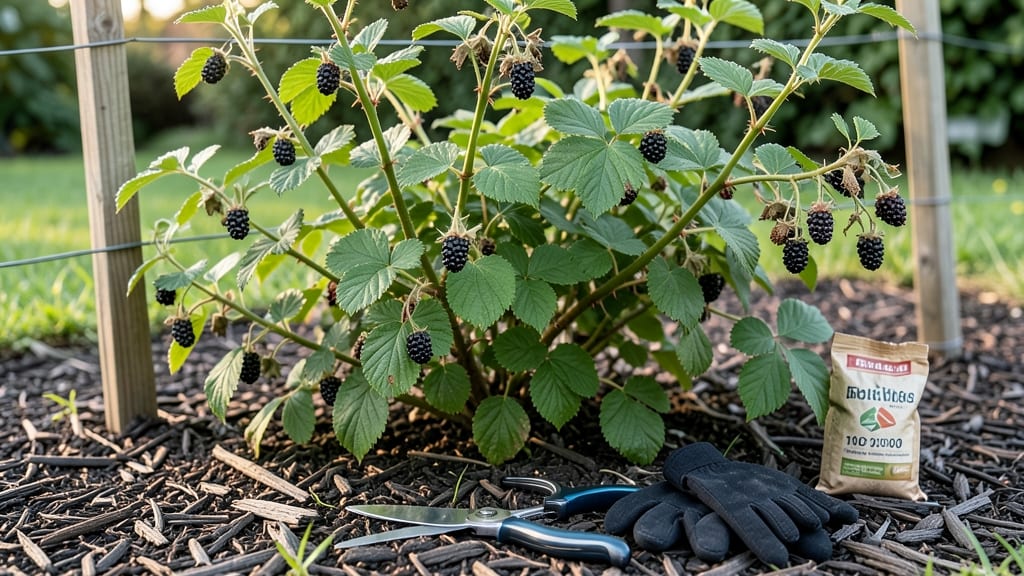
How to get your blackberry bushes to produce like never before—last year’s sparse harvest wasn’t a failure, just a missed opportunity, and I’m here to turn that around with pruning secrets that doubled my yield in just one season. The key? Thinning old canes in late winter and encouraging new growth by cutting back overcrowded stems. Thornless varieties need slightly different timing, but the principle stays the same: remove last year’s fruited canes at the base while keeping 3-5 strong new ones. This isn’t just pruning—it’s teaching your bushes to focus their energy where it counts. By mid-summer, you’ll see plump, juicy berries instead of sparse clusters, and the plants will look bushier than ever. The difference between a productive patch and a decorative shrub often comes down to these simple cuts made at the right time. Works for both thorned and thornless varieties, and the same principles apply whether you're growing in a home garden or along a fence line. Let's get those canes talking to each other again!
📚 In This Guide
- What you need
- Instructions
- Tips and common mistakes
- Wrapping up and next steps
What you need
- ● Pruning shears or loppers – Sharp, clean, and bypass-style (avoid dull blades to prevent crushing stems). Quantity: 1 pair.
- ● Gloves – Heavy-duty, thorn-resistant (blackberries pack a punch!). Quantity: 1 pair.
- ● Disinfectant (70% isopropyl alcohol or bleach solution) – For sterilizing tools between cuts (1 small bottle).
- ○ Rake or hoe – For clearing debris and mulch (optional but helpful for prep work).
- ○ Pruning saw (optional) – For thicker stems (if your bushes are mature).
- ● Organic mulch (straw, wood chips, or pine needles) – 2–3 inches thick to retain moisture and suppress weeds. Quantity: Enough to cover the base of the bush.
- ● Fertilizer (balanced 10-10-10 or compost) – Check soil pH first (ideal: 5.5–6.5). Quantity: Follow package instructions (typically 1–2 lbs per 100 sq ft).
- ● Watering can or hose with a gentle nozzle – For post-pruning hydration.
- ● Sunlight – Full sun (6–8 hours daily) is a must for optimal fruit production.
- ● Well-draining soil – Avoid soggy roots; amend clay soil with compost if needed.
- ● Established bushes – Prune only after the plant is 2+ years old (young plants need time to root!).
- ● Patience – Blackberries thrive with consistent care—results take time but are worth it!
Step-by-step instructions for maximizing blackberry fruit production
Blackberries thrive when you prune strategically—here’s how to coax abundant harvests from your bushes.
Identify and Remove Weak Canes
Blackberries produce fruit on primocanes (first-year growth) and floricanes (second-year growth). In late winter or early spring, cut back any thin, spindly, or diseased canes at ground level. These won’t produce well and compete with stronger growth. I look for canes with diameter smaller than a pencil—those are the ones to remove.
Keep only the healthiest 6-8 canes per bush. Overcrowding stresses the plant and reduces fruit quality. If you’re unsure which canes are strong, bend them slightly—flexible canes are more vigorous. This step ensures energy goes to productive growth rather than weak stems.
Prune for Airflow and Light Penetration
After removing weak canes, thin the remaining ones to 6 inches apart. This spacing improves airflow, which prevents fungal diseases like botrytis that rot fruit. Use clean, sharp pruners to cut at a 45-degree angle just above a bud or lateral branch.
Open the center of the bush by removing any canes growing inward. You’ll see sunlight reach the middle of the plant within weeks—that’s your sign the pruning worked. Without proper light, canes grow leggy and produce fewer berries. I prune on a dry day to avoid spreading pathogens.
Encourage Floricane Development
In late summer after harvest, identify floricanes—these are the canes that fruited this year. They’ll produce next season’s crop. Cut them back to 12-18 inches tall in late winter or early spring. This pruning stimulates new primocanes from the base, which will bear fruit the following year.
Leave 2-3 buds at the top of each remaining cane. These buds will grow into next year’s fruiting canes. If you prune too aggressively, you’ll sacrifice future harvests. Watch for new green shoots emerging from the base in spring—that’s your confirmation the bush is regenerating properly.
Fertilize and Water for Fruit Set
After pruning, apply a balanced fertilizer (10-10-10) in early spring when new growth appears. Blackberries are heavy feeders, so avoid high-nitrogen fertilizers—they promote leafy growth at the expense of fruit. Instead, use a low-nitrogen, high-phosphorus blend to encourage flowering.
Water deeply once a week during dry spells, keeping the soil 2-3 inches moist but not soggy. Stress from drought reduces fruit set. I check moisture by pressing my finger into the soil—if it feels dry past the first inch, it’s time to water. Mulch with 2-3 inches of organic matter to retain moisture and suppress weeds.
Monitor for Pests and Diseases
Inspect canes regularly for spider mites, aphids, or rust spots. Treat infestations early with neem oil or insecticidal soap to prevent damage. Blackberries are susceptible to orange rust, which appears as orange pustules on leaves. Remove infected leaves immediately and dispose of them in the trash.
Thin fruit clusters to 1-2 berries per stem when they’re pea-sized. This prevents overcrowding, which leads to small, underripe berries. You’ll see larger, sweeter berries develop within weeks. Harvest when fully colored and slightly soft to the touch—usually late summer to early fall, depending on your climate.
Tips & tricks for maximizing blackberry fruit production
A few strategic adjustments can transform your blackberry bushes from underperforming to fruit-bearing powerhouses. These insights come from years of trial and error—and a few close calls with fungal infections.
The Pruning Angle Matters: When cutting canes in Step 2, that 45-degree angle isn't just for looks—it prevents water from pooling on the cut surface, which drastically reduces rot risk. I've seen canes develop botrytis within days when cuts were flat. Use a sharp pruner and make clean cuts just above a bud to maximize healing and future growth potential.
Spring Pruning Timing is Critical: The instructions mention late winter/early spring, but the exact timing depends on your climate. In colder zones, wait until after the last frost when new growth appears—usually when forsythia blooms. In warmer areas, prune in late winter before buds swell. I've ruined entire harvests by pruning too early when canes were still dormant.
Fertilizer Timing Makes All the Difference: Applying that 10-10-10 fertilizer in early spring is non-negotiable, but the real secret is when you stop. Once flowers appear, switch to a high-phosphorus formula (like 5-10-10) to support fruit development. Over-fertilizing with nitrogen after flowering will give you lush leaves but tiny berries—something I learned the hard way after a nitrogen-heavy mistake.
Harvesting Technique Preserves Quality: Those late summer harvests require gentle handling. Blackberries bruise easily, and damaged fruit spoils quickly. I use a wide-mouth basket and harvest by hand rather than shaking canes. For large bushes, work in sections—harvest one side completely before moving to the other. This prevents overripe berries from staining the crop.
Pro Tips for Get Blackberry Bushes To Produce
- A few strategic adjustments can transform your blackberry bushes from underperforming to fruit-bearing powerhouses. T...
- The Pruning Angle Matters: When cutting canes in Step 2, that 45-degree angle isn't just for looks—it prevents water ...
- Spring Pruning Timing is Critical: The instructions mention late winter/early spring, but the exact timing depends on...
Frequently asked questions
Got questions about coaxing those juicy blackberries into production? Here are some of the most common concerns—and their answers—to help you troubleshoot and thrive!
Why isn’t my blackberry bush producing fruit?
Blackberries often need both male and female flowers for pollination. If your bush isn’t fruiting, check for:
- Lack of pollinators (bees, butterflies)
- Improper pruning (removing fruiting canes too early)
- Young age (new bushes may take 1-2 years to bear fruit)
When is the best time to prune for fruit production?
Prune late winter or early spring (before buds swell) to encourage new growth. For floricanes (last year’s canes that bear fruit), cut them back after harvest. Primocanes (current year’s growth) should stay for next year’s fruit. Never prune in fall—it can harm winter-hardy canes!
Can I force blackberries to produce earlier or later in the season?
Blackberries are not easily forced to ripen out of season, but you can:
- Extend harvests by choosing late-season varieties (like ‘Triple Crown’)
- Use row covers to protect early fruit from frost
- Plant in sheltered microclimates (south-facing slopes) for warmer conditions
What should I do if my blackberries are small and seedy?
Small, seedy berries often mean:
- Overcrowding (thin canes to 6–8 per plant)
- Nutrient deficiency (add compost or balanced fertilizer in spring)
- Poor pollination (plant near other berries or flowers)
Are there alternatives if my blackberries won’t fruit?
If your blackberries refuse to cooperate, consider:
- Raspberries (easier to grow, similar care)
- Thornless blackberry varieties (like ‘Cheyenne’ or ‘Arapaho’)
- Grafting (if disease is the issue, replace the bush)
- Container growing (for small spaces or urban gardens)
Wrapping up and next steps
Getting your blackberry bushes to thrive and produce delicious, abundant fruit is all about patience, proper care, and a little know-how! 🌱 By mastering pruning techniques, ensuring optimal soil conditions, and providing consistent water and nutrients, you’ll soon be rewarded with a bountiful harvest.
Remember, every expert gardener started with a single bush—your green thumb is just waiting to bloom.
Ready to take the next step? Start small: pick one bush to experiment with this season, document your progress, and adjust as needed. Before you know it, your blackberry patch will be the talk of the neighborhood—and your table will always be stocked with fresh, juicy berries! 🍇