
Planting
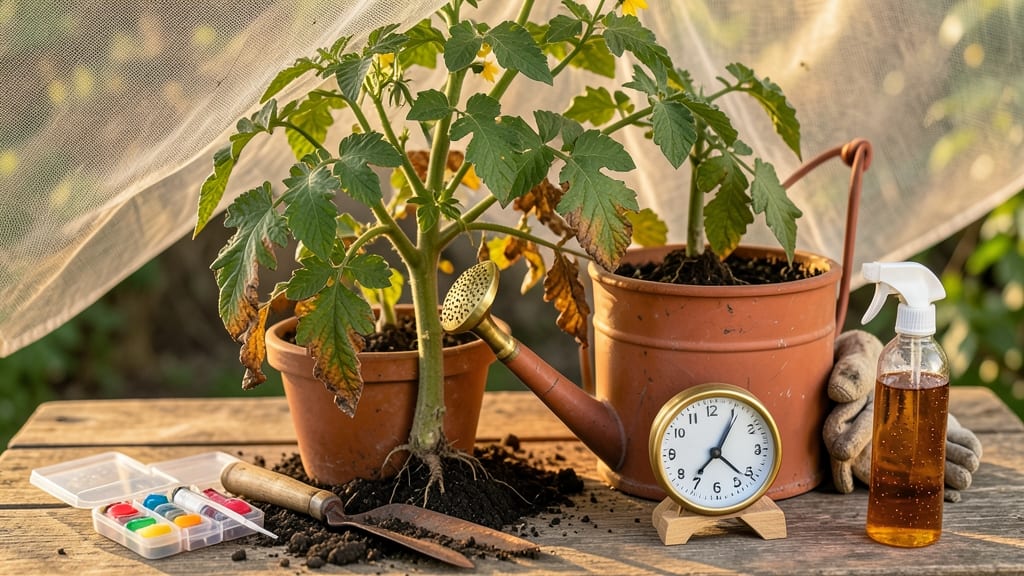
That crispy brown edge on your plant's leaves isn't a death sentence—how to fix burnt plant leaves is easier than you think, and recovery is often quick with the right steps. 🌿 I've nursed back more scorched foliage than I can count, and the solutions are simpler than you think.
The first step? Figuring out what caused the damage in the first place.
Most burnt leaves come from one of three culprits: too much sun, fertilizer burn, or underwatering. Sun scorch shows up as dry, papery patches, while fertilizer burn creates yellowed edges with brown tips.
Underwatering causes leaves to crisp at the edges while staying slightly curled. Each needs a different approach to revive your plant.
Once you identify the cause, recovery is fast—sometimes even within days. For sun damage, move your plant to partial shade immediately. For fertilizer issues, flush the soil with water to dilute the salts. Underwatered plants need consistent moisture without soggy soil. The key is acting quickly before the damage spreads.
Prevention is even easier: monitor sunlight exposure, use balanced fertilizer sparingly, and check soil moisture with your finger. A little attention now means lush, green leaves all season long. Let's get your plants looking healthy again!
📚 In This Guide
- What you need
- Instructions
- Tips and common mistakes
- Wrapping up and next steps
What you need
- ● Water: Room-temperature or lukewarm water (1–2 gallons, depending on plant size). Pro tip: Avoid cold water to prevent shock! 🌡️
- ○ Pruning shears or scissors: Sharp, sterilized tools (small, clean pair for precision). Optional: Disinfect with rubbing alcohol if reusing.
- ○ Hydrogen peroxide (3% solution): 1–2 tablespoons per gallon of water (for mild sterilization). Optional: Replace with diluted bleach (1 tsp per gallon).
- ○ Plant food or fertilizer: Balanced, water-soluble formula (½ the recommended strength). Optional: Seaweed extract for organic care.
- ● Humidity tray or plastic bag: For high-humidity recovery (if leaves are severely crispy).
- ● Cuttings propagation kit: If pruning heavily, save healthy stems for new plants!
- ● Misting bottle: For gentle hydration of delicate leaves.
- ● Gloves: Protect your hands if handling thorny or chemical-treated plants.
- ● Plant growth regulator (e.g., B1 vitamin): Boosts recovery for severely damaged plants.
Step-by-Step instructions for reviving burnt plant leaves
Here's how I quickly diagnose and fix leaf burn—no matter whether it's sun, chemical, or water damage.
🌿 Step 1: Identify the Cause of Leaf Burn
First, examine the pattern of damage. Sunburned leaves show crispy, dry edges with yellow or white patches, often on one side of the plant facing direct light. Chemical burns appear as irregular brown spots with ragged edges, while water burns create yellow or brown patches that look like they've been scalded.
I like to check the plant's environment: if it's in a south-facing window with intense afternoon sun, that's likely the culprit. For chemical burns, recent fertilizer applications or pesticide sprays are usually to blame. Once you identify the cause, you can take targeted action to prevent further damage.
💧 Step 2: Adjust Watering and Light Conditions Immediately
For sunburn, move the plant to a location with indirect light or morning sun only. If it's a houseplant, rotate it weekly so all sides get equal exposure and grow evenly. I often place my plants near an east-facing window where they receive gentle morning light without the harsh afternoon rays.
If the burn is from overwatering, let the top 2-3 inches of soil dry out before watering again. You'll know it's time when the soil feels dry to the touch. For underwatering burns, water deeply until it drains from the bottom, then let excess water run out completely. Always use room-temperature water to avoid shocking the roots.
✂️ Step 3: Prune Damaged Leaves and Clean the Plant
Use clean, sharp scissors or pruning shears to trim away any severely burnt leaves. Cut just above a leaf node or healthy growth point to encourage new growth. I avoid tearing leaves because it can introduce disease through open wounds. For minor burns, you can leave the leaves if they're still mostly green—they'll often recover.
Wipe down the remaining leaves with a damp cloth to remove any dust or residue that might be blocking pores. This helps the plant breathe and recover faster. If you suspect chemical burns, rinse the leaves gently with water to remove any lingering irritants. Avoid using soap or harsh cleaners, as they can further damage the foliage.
🌱 Step 4: Apply a Reviving Treatment
Mix a solution of 1 tablespoon of mild liquid fertilizer (5-5-5 ratio) in 1 gallon of water and lightly mist the leaves and soil. This gives the plant a gentle boost without overwhelming it. I focus on the undersides of the leaves where most of the tiny pores are located. Avoid fertilizing if the plant is already stressed from severe burns—wait until new growth appears.
For extra care, spray the leaves with a room-temperature water mist in the morning to help them recover. This mimics natural dew and keeps the foliage hydrated. Keep the plant in a stable environment with moderate humidity—a humidity tray filled with pebbles and water can help maintain the right conditions if your home is dry.
☀️ Step 5: Monitor and Prevent Future Damage
Watch the plant closely over the next 7-10 days for new growth. Healthy leaves should appear vibrant and firm, while burnt leaves will continue to crisp and fall off. If new leaves show signs of burn, adjust the plant's environment again—it might need even more shade or less water.
To prevent future burns, I recommend gradually acclimating plants to new light conditions. If you're moving a plant outdoors, start with 1-2 hours of sun per day and slowly increase exposure over 1-2 weeks. For indoor plants, avoid placing them near heat sources like radiators or vents, which can dry out the leaves and make them more susceptible to damage.
Tips & tricks for reviving burnt plant leaves
Real talk: Even the most careful plant parents deal with leaf burn—here's how to turn that damage around.
Diagnosis Tip: Pay attention to the burn pattern in Step 1—sunburn shows crispy edges on one side, while chemical burns have irregular brown spots. I've saved plants by noticing these subtle differences early. For water burns, look for patches that look like they've been scalded, often near where water dripped or pooled.
Light Adjustment Secret: In Step 2, when moving plants for sunburn, I recommend testing the new location first. Place the plant in the spot for just 1 hour during the day to see how it reacts. If you notice new stress after 24 hours, move it again to a shadier area. This gradual approach prevents further damage while the plant adjusts.
Pruning Precision: When trimming burnt leaves in Step 3, use a clean, sharp tool and make cuts at a 45-degree angle just above a leaf node. I've found that this angle helps water run off better and reduces the risk of disease entering through the cut. For minor burns, leave the leaves—they often recover completely with proper care.
Recovery Boost: For the fertilizer treatment in Step 4, I've had great success using a 1 tablespoon to 1 gallon ratio, but you can also try a diluted seaweed extract solution (1 teaspoon per gallon) for an organic alternative. Always apply in the morning so the leaves have time to dry completely before evening.
Pro Tips for Fix Burnt Plant Leaves
- Real talk: Even the most careful plant parents deal with leaf burn—here's how to turn that damage around.
- Diagnosis Tip: Pay attention to the burn pattern in Step 1—sunburn shows crispy edges on one side, while chemical burns have irregular brown spots.
- Light Adjustment Secret: In Step 2, when moving plants for sunburn, I recommend testing the new location first.
Frequently asked questions
Got questions about reviving your burnt plant leaves? Here are some common concerns and quick answers to help you get back on track!
Why did my plant leaves get burnt in the first place?
Burnt leaves are usually caused by overwatering, direct sunlight exposure, or chemical burns (like fertilizer or pesticide residue). If the edges are crispy and brown, it’s likely from too much sun or heat. Check your plant’s care needs—some thrive in shade, while others love bright light!
How long does it take for burnt leaves to recover?
Recovery time varies! Mild burns may show improvement in 1-2 weeks with proper care, while severe damage might take 4-6 weeks or result in leaf loss. Focus on adjusting water, light, and humidity levels to support regrowth. Patience is key!
Should I trim burnt leaves immediately?
Yes! Trim dead or severely burnt leaves with clean scissors to prevent disease and redirect the plant’s energy to healthy growth. Snip just above a leaf node (where new leaves grow) for the best results. Avoid tearing leaves—it stresses the plant further.
Can I save a plant with mostly burnt leaves?
It depends! If over 50% of the plant is healthy, it can often recover. For heavily damaged plants, check the roots—if they’re soft or mushy, the plant may not survive. In such cases, consider propagating from healthy cuttings or starting fresh with a new plant.
What’s the best way to prevent burnt leaves in the future?
Prevention is easier than fixing damage! Here’s a quick
Wrapping up and next steps
Reviving burnt plant leaves doesn’t have to be stressful—just follow the right steps, and your greenery can bounce back stronger than ever! 🌿 Whether it’s from sunburn, chemical exposure, or overwatering, quick action and gentle care make all the difference. Remember: patience and consistency are key—your plants will thank you!
Ready to give your foliage the TLC it deserves? Start by assessing the damage and applying the fixes you’ve learned today. Next up: keep an eye on your plants’ progress and adjust their care routine to prevent future burns. Happy gardening! 🌱✨