
How To
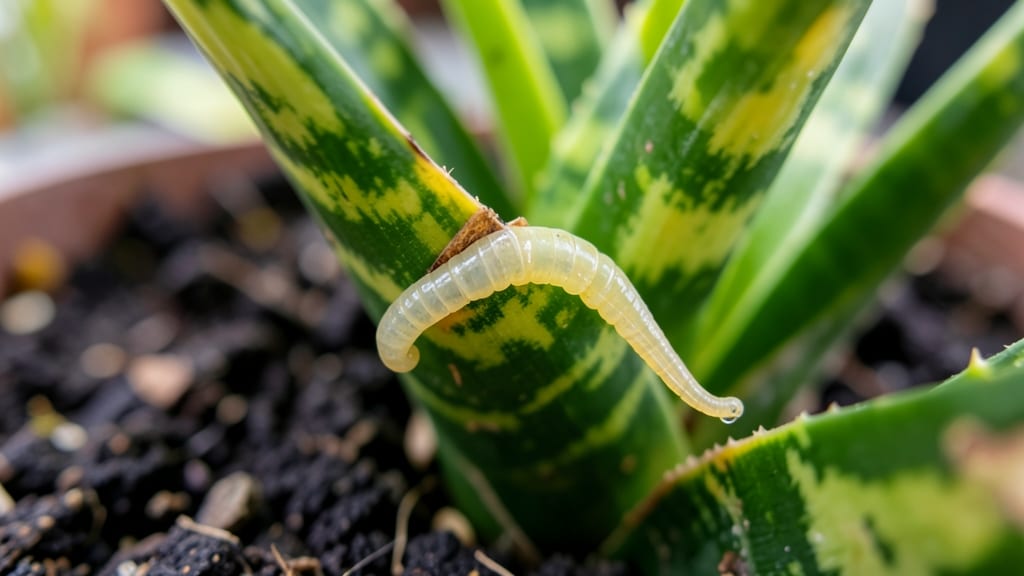
How to fix an overwatered snake plant—your droopy leaves don’t mean it’s too late. 🌱 I've nursed back plants that looked like they'd given up—with the right approach, you can too. The key starts with understanding what's really happening below the soil surface.
First, check for root rot: gently remove the plant and look for black, mushy roots. If you see this, don't panic—snake plants are tougher than they look.
The fix begins with fresh, well-draining soil and a pot with drainage holes. I've seen plants bounce back completely within 4-6 weeks when given proper care.
You'll want to trim away any rotten roots with clean scissors, then repot in a mix that drains fast—think cactus soil with perlite or pumice. Water only when the top 2-3 inches of soil feel completely dry, and place it somewhere with bright, indirect light.
The recovery process is slow but steady.
Long-term, this plant will teach you the golden rule: snake plants thrive on neglect, not attention. Once it's back to normal, you'll notice new growth pushing through within 2-3 months, and those iconic stiff leaves will return with a vengeance.
Confession: I've learned this lesson the hard way more times than I'd like to admit.
📚 In This Guide
- What you need
- Instructions
- Tips and common mistakes
- Wrapping up and next steps
What you need
- ● Well-draining potting mix (1–2 bags, 30%–40% perlite/pumice or cactus/succulent blend—avoid peat-heavy mixes!)
- ● Pot with drainage holes (1–2, 1–2 inches larger in diameter than the current pot; terracotta or ceramic preferred)
- ● Gloves (1 pair, nitrile or gardening gloves—snake plants can be sharp!)
- ● Pruning shears or clean knife (1, sterilized with rubbing alcohol)
- ○ Rooting hormone (optional) (1 small tube, for extra insurance on damaged roots)
- ● Trowel or small shovel (1, for gentle root handling)
- ● Spray bottle (1, for misting roots if they’re bone-dry)
- ● Newspaper or paper towels (2–3 sheets, to absorb excess moisture)
- ○ Hydrogen peroxide (3%) or fungicide (1 small bottle, for treating mushy roots—optional but helpful)
- ● 🌡️ Patience: Recovery takes 2–4 weeks—don’t rush it!
- ● 📅 Timing: Repot on a dry day (humidity helps, but soggy air = bad).
- ● 🚫 Avoid: Fertilizer for at least 4–6 weeks post-repotting.
Tips & tricks for reviving an overwatered snake plant
These simple tricks will help you nurse your snake plant back to health without losing it forever.
Root Inspection Tip: In Step 1, when you're examining the roots, look for the classic "mushy brown" pattern that signals rot. Healthy roots should spring back slightly when gently pressed, while rotten ones will collapse like overcooked pasta. If you're unsure about a root, trim it—better to remove a little too much than leave too much behind. Confession: I once hesitated and left some questionable roots, which led to another round of rot just weeks later.
Soaking Strategy: That 5-minute soak in Step 2 isn't just about cleaning—it's a critical stress-relief for the roots. The water helps flush out accumulated salts and fungal spores that thrive in waterlogged conditions. After draining, give the roots a gentle shake to remove excess water, but don't wring them dry. You want them damp, not dripping. I learned this the hard way after leaving roots too wet, which delayed recovery by nearly a week.
Pot Selection Insight: For Step 3, if you're repotting into a larger container, choose one that's only 1-2 inches wider than the current pot. Snake plants don't need massive root space—they're all about aeration, not expansion. And here's what nobody tells you: if your current pot has no drainage holes, don't just add holes yourself—upgrade to a new pot. Drilling holes can weaken the container and may not provide proper drainage patterns.
Recovery Timeline: The 7-10 day waiting period in Step 4 is non-negotiable for root healing. During this time, resist the urge to check on your plant daily—each time you move it, you risk disturbing the delicate new root growth. Instead, place it in a stable spot with bright, indirect light and let nature do its work. I've seen plants recover in just 7 days when conditions were perfect, but others took the full 10 days plus extra time in cooler conditions.
Pro Tips for Fix An Overwatered Snake Plant
- These simple tricks will help you nurse your snake plant back to health without losing it forever.
- Root Inspection Tip: In Step 1, when you're examining the roots, look for the classic "mushy brown" pattern that signals rot.
- Soaking Strategy: That 5-minute soak in Step 2 isn't just about cleaning—it's a critical stress-relief for the roots.
Frequently asked questions
How do I know if my snake plant is overwatered vs. underwatered?
Check the soil first: Overwatered plants feel soggy, heavy, or mushy when squeezed, and leaves may turn yellow or develop brown, mushy tips. Underwatered soil feels dry and crumbly, with crispy, dry edges on leaves. Snake plants are drought-tolerant—if in doubt, wait!
How long does it take for an overwatered snake plant to recover?
Recovery time varies, but with proper care (like repotting in well-draining soil and reducing water), you’ll see improvement in 2–4 weeks. Severe root rot may take longer—be patient! Monitor progress by checking soil moisture and leaf firmness weekly.
Can I save a snake plant with black, mushy stems?
Black, mushy stems are a red flag for root rot. Trim away the affected areas with sterilized scissors, repot in fresh, dry soil, and avoid watering for 1–2 weeks. If most of the plant is healthy, it can bounce back—just act fast!
What’s the best way to repot an overwatered snake plant?
Start by gently removing the plant from its pot and rinsing the roots with water to wash away excess soil. Trim any black, mushy roots, then repot in a terracotta pot (for better drainage) with a mix of cactus/succulent soil + perlite. Water lightly only after 3–5 days.
Will my snake plant survive if I stop watering it completely?
Yes! Snake plants are extremely resilient and can survive months without water. If you’re unsure about overwatering, pause watering entirely for 2–3 weeks to let the soil dry out completely. Once you resume, water only when the top 2–3 inches of soil are bone-dry.
Pro Tip:
Use a moisture meter to avoid guesswork—stick it in the soil before watering. If it reads dry, your plant’s ready for hydration. If it’s wet, wait another week. No meter? The finger test works too!
Wrapping up and next steps
Fixing an overwatered snake plant is totally doable—you’ve got this! 🌱 By aerating the soil, improving drainage, and adjusting your watering habits, you’re giving your plant the fresh start it deserves. Remember, patience and consistency are key; your snake plant will bounce back stronger than ever.
Now that you’re equipped with the know-how, take action today! Start with one small step—like repotting or trimming—then observe progress. Soon, your revived snake plant will be thriving, proving that even "oops" moments can lead to a greener (and happier) home. 💚