
Planting
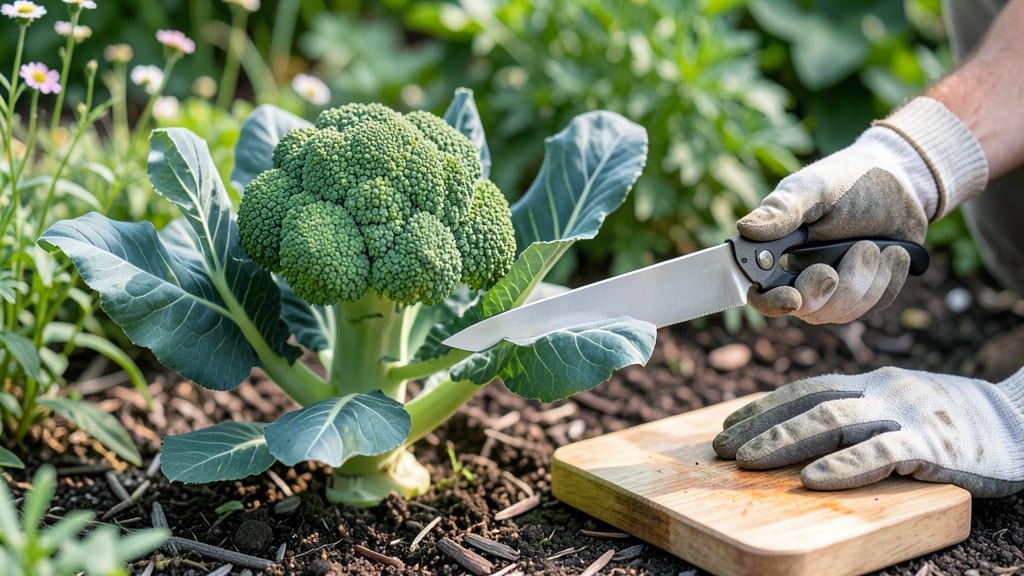
How to cut broccoli off the plant right—now harvest them properly. ✂️ The wrong cut wastes flavor and weakens the plant, but master this technique and you'll get crisp, tender stems and keep your plant producing for weeks. First, wait until the main head is 3-5 inches across and tightly packed. Grab a sharp knife or pruners and cut the stem 1-2 inches below the head at a slight angle—this lets water run off and prevents rot. Never yank or twist, or you'll damage the plant's growth point. After cutting, don’t toss the stems—they’re packed with nutrients. Use them in stir-fries or roast them until crispy. The plant will often send out side shoots within 2-3 weeks, giving you a second (or third!) harvest. Common mistakes? Cutting too late (tough, bitter florets) or using dull tools (crushed stems). Keep the plant well-watered and fertilized after harvest to encourage regrowth. Now go enjoy that homegrown flavor!
📚 In This Guide
- What you need
- Instructions
- Tips and common mistakes
- Wrapping up and next steps
What you need
- ● Sharp kitchen shears or pruning shears – A pair with 4- to 6-inch blades works best for clean cuts. (Avoid dull scissors—they crush stems!)
- ○ Gloves (optional but recommended) – Lightweight gardening gloves protect hands from broccoli’s prickly stems and dirt.
- ● Bucket or harvest basket – A 5-gallon bucket with a lid keeps broccoli fresh longer by reducing airflow.
- ● Water spray bottle (small) – A 16-ounce misting bottle helps rinse off dirt post-harvest.
- ● Paper towels or clean cloth – For wiping down tools and drying off broccoli crowns.
- ● Disinfectant spray (e.g., 1:9 water + vinegar) – Spray tools before/after use to prevent bacterial spread.
- ● Sharpener or honing stone – Keeps shears razor-sharp for effortless cutting.
- ● Harvesting knife (serrated) – A 3-inch serrated blade works for larger stems if shears are unavailable.
- ● Ice cubes or cold water bath – Plunge harvested broccoli into iced water for 10 mins to maintain crispness.
Instructions for stem-on broccoli harvesting
Here's how to harvest broccoli properly—keeping stems attached preserves flavor and encourages more production.
✂️ Step 1: Choose the Right Time to Harvest
Harvest broccoli when the main head reaches 3-5 inches in diameter and florets are still tight and green. Press a floret gently—it should snap cleanly, not feel mushy. If you see yellowing or buds starting to open, the head has passed its prime. I always check the underside of the head for new side shoots forming, which means the plant is ready to produce more.
Morning harvests yield the freshest broccoli, as the plants have absorbed overnight moisture. Avoid harvesting after heavy rain, as the heads will be waterlogged and prone to rot. If you're harvesting multiple heads, prioritize the largest, most mature ones first to encourage smaller side shoots to develop.
🪴 Step 2: Use the Correct Cutting Technique
Grab the broccoli head firmly with one hand and position your knife or pruning shears at a 45-degree angle, about 2-3 inches below the head. This angled cut prevents water from pooling on the stem, which can cause rot. I use sharp pruning shears for larger heads and a clean kitchen knife for smaller ones—just make sure the blade is sharp to avoid crushing the stem.
Don’t cut too close to the head, or you’ll remove the growing point where new shoots develop. If you accidentally cut too low, don’t panic—just leave the stump and focus on harvesting the next head. The plant will still produce side shoots from the remaining stem, though they may take a few days to emerge.
🌿 Step 3: Handle the Stem Properly for Maximum Flavor
Leave the entire stem attached when harvesting—this preserves moisture and flavor better than cutting it off. If you’re harvesting for immediate cooking, rinse the stem under cool water to remove dirt, but avoid soaking, as broccoli absorbs water like a sponge. Pat dry gently with a clean towel to prevent wilting.
For storage, wrap the stem in a damp paper towel and place it in a perforated plastic bag in the refrigerator. The stem stays crisp for 5-7 days this way, and the florets retain their vibrant color. If you’re not using the broccoli immediately, trim the stem to 1-2 inches above the base to encourage faster regrowth of side shoots.
☀️ Step 4: Encourage More Production After Harvest
After harvesting the main head, inspect the plant for new side shoots forming along the stem. These smaller heads will mature in 3-6 weeks, depending on your climate. I often see 3-5 side shoots develop after the first harvest, especially if the plant is healthy and well-fed. Water the base of the plant deeply after harvesting to help it recover and support new growth.
If the central stem has no side shoots, check for signs of stress like yellowing leaves or wilting. Broccoli plants need full sun (6+ hours daily) and consistent moisture to produce well. If conditions are right but no side shoots appear, consider fertilizing with a balanced 10-10-10 fertilizer to encourage regrowth. With proper care, a single broccoli plant can yield 2-3 harvests in a season.
Tips & tricks for perfect stem-on broccoli harvesting
These garden-tested secrets will help you maximize your harvest while keeping your broccoli plants productive for weeks to come.
Harvest Timing Secret: The 3-5 inch diameter rule is your golden standard, but there's one trick I always use: harvest when the florets snap cleanly with a slight resistance—like fresh asparagus. This ensures peak sweetness. I also check the underside of the head for new side shoots forming; if you see buds, that's your cue to harvest soon to encourage more production. Morning harvests are ideal because the plants have absorbed overnight moisture, making them crispest.
Cutting Angle Matters: That 45-degree angle in Step 2 isn't just for show—it's a water management system. The angled cut creates a natural drainage channel that prevents water from pooling on the stem, which would otherwise cause rot. For larger heads, I swear by pruning shears—they give you more leverage and cleaner cuts than a knife. Just be sure your tools are sharp; dull blades crush the stem, which can damage the plant's ability to produce new shoots.
Stem Handling for Maximum Freshness: Here's what nobody tells you about the stem: when you leave it attached, you're preserving the plant's natural moisture retention system. The stem acts like a straw, drawing water up to keep the florets crisp. For storage, I wrap the stem in a damp paper towel—this mimics the plant's natural hydration. The perforated bag is crucial too; it allows airflow while preventing wilting. And that 1-2 inch trim above the base? It's not just about aesthetics; it exposes more leaf surface to sunlight, which speeds up regrowth.
Post-Harvest Plant Care: After harvesting, I always give the plant a deep watering to replenish what was lost during the cutting process. The 3-6 week window for new shoots is flexible—it depends on your climate and how well you've been caring for the plant. If you notice yellowing leaves, that's your plant's way of saying "I need more nutrients." A balanced 10-10-10 fertilizer gives it exactly what it needs to bounce back and produce those delicious side shoots.
Pro Tips for Cut Broccoli Off The Plant
- These garden-tested secrets will help you maximize your harvest while keeping your broccoli plants productive for weeks to come.
- Harvest Timing Secret: The 3-5 inch diameter rule is your golden standard, but there's one trick I always use: harvest when the florets snap cleanly with a slight resistance—like fresh asparagus.
- Cutting Angle Matters: That 45-degree angle in Step 2 isn't just for show—it's a water management system.
Frequently asked questions
When is the best time to harvest broccoli?
The ideal time to harvest broccoli is when the main head is tight, firm, and fully formed—usually 70–100 days after planting. The buds should be green and compact, not yellowing or flowering. Harvest in the morning for the freshest flavor, and avoid cutting on rainy days to prevent rot.
Do I cut the stem or twist it off?
Always cut the stem about 5–7 inches below the head using clean shears or a knife. Twisting can damage the plant and leave it vulnerable to pests. Leave the stem intact to encourage side shoots (baby broccoli) to grow for a second harvest!
What if my broccoli head starts to flower?
If your broccoli head yellows or flowers, it’s past its prime and bitter. Over-maturity happens in hot weather or if left too long. For future crops, harvest promptly and consider shade cloth in summer. You can still eat flowered broccoli—it’s just less tender.
Can I regrow broccoli after cutting the main head?
Yes! After harvesting the main head, trim the stem properly (leave 5–7 inches) and keep the plant well-watered. Side shoots will grow in 3–4 weeks. Some varieties (like ‘De Cicco’) produce multiple harvests, while others may decline after the first cut.
Why is my broccoli turning yellow or mushy?
Yellowing or mushiness often signals over-maturity, disease (like downy mildew), or poor drainage. Check for pests (aphids, cabbage worms) and ensure the plant gets full sun (6+ hours/day) and consistent moisture. If soil is soggy, improve drainage or relocate pots.
Wrapping up and next steps
Mastering the art of harvesting broccoli stem-on ensures you get the freshest, most flavorful crop straight from your garden! 🌱 With the right tools—like sharp pruners or a knife—and a little patience, you’ll enjoy homegrown veggies that outshine store-bought any day.
Now that you’re ready, why not expand your harvest? Try planting more broccoli varieties or even experiment with regrowing side shoots for a continuous supply of this nutrient-packed superfood. Happy gardening!