
How To
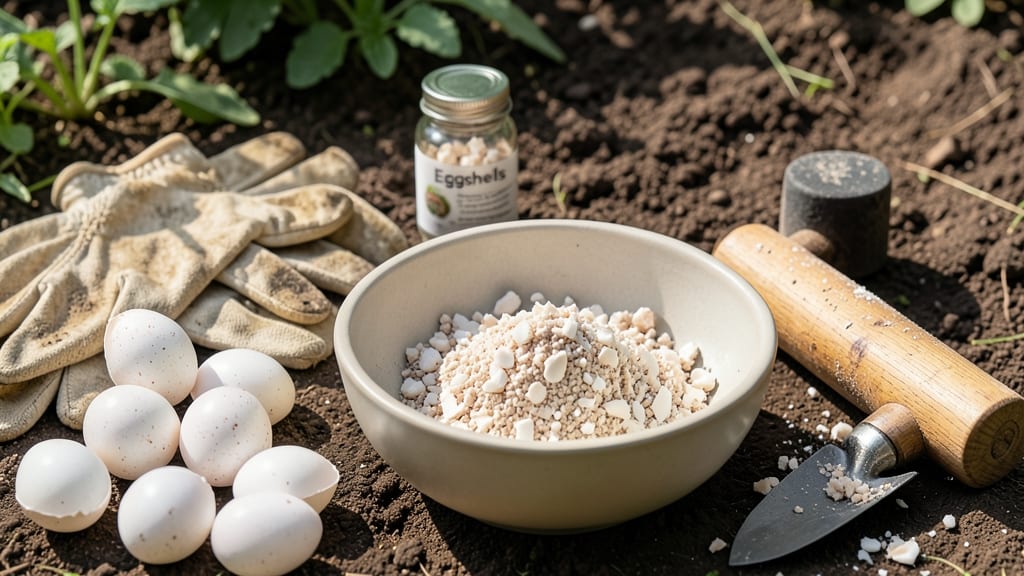
How to crush eggshells for your garden turns kitchen scraps into a pest-deterring, soil-strengthening powerhouse—no compost pile required. 🌱 I’ve saved hundreds of shells from the trash, and every batch gives my tomatoes and peppers a calcium boost while keeping slugs at bay. The process takes less time than boiling water, and you’ll end up with a fine powder that mixes seamlessly into soil or compost.
Start by rinsing clean shells and baking them at 200°F for 10-15 minutes to kill bacteria—this step’s non-negotiable for safety. Then, crush them with a rolling pin, mortar and pestle, or even a clean coffee grinder (reserve a dedicated one for garden use).
The goal is powder-fine texture, so no sharp edges remain to harm roots or wildlife. Store the crushed shells in a sealed container until ready to use.
Sprinkle the powder around plants—especially leafy greens, tomatoes, and peppers—to deter pests naturally. Work it into the top 1-2 inches of soil before planting or mix it into compost for long-term benefits.
Your plants will thank you with stronger stems, better fruit set, and fewer garden pests—all from something you’d normally toss.
Bonus: Use leftover shells for seed-starting pots (they’ll dissolve harmlessly) or as a top-dressing for acid-loving plants like blueberries. Just avoid overdoing it—1-2 tablespoons per plant every few weeks keeps things balanced. No compost? No problem. This method works anywhere, anytime.
📚 In This Guide
- What you need
- Instructions
- Tips and common mistakes
- Wrapping up and next steps
What you need
- ● Clean, empty eggshells: 10–20 shells (fresh or dried, but always washed and baked to kill bacteria—see tips below!)
- ● Plastic bag or reusable container: A sturdy quart-sized bag (ziplock or grocery-style) or a small bowl for crushing.
- ● Rolling pin or heavy object: A 1–2 lb rolling pin, can of beans, or even a wine bottle (just avoid sharp edges!).
- ● Mortar & pestle: For a rustic, hands-on crush (great if you’re feeling fancy!).
- ● Food processor or blender: Pulse shells in short bursts (1–2 seconds) to avoid splatter.
- ● Tongs or gloves: Protect your hands from pointy bits—trust us!
- ● Oven (for sterilizing): Preheat to 200°F (93°C) for 10 mins to kill bacteria if shells aren’t fresh.
Tips & tricks for perfect eggshell compost
Here's what nobody tells you about turning eggshells into garden gold—these little tricks make all the difference.
Cleanliness is Key: In Step 1, don't just rinse—boil the shells for 2 minutes if you're dealing with stubborn residue. The heat kills bacteria and makes them easier to crush later. I keep a small pot of water simmering on the stove while I rinse, then transfer shells directly to a colander for draining. This two-step process ensures you're starting with completely sterile material that won't introduce pests to your compost.
Crushing Efficiency: For Step 2, I've found that placing shells in a sturdy plastic bag and using the back of a heavy spoon works better than a rolling pin. The spoon creates more surface area contact, and you can crush directly on your countertop without worrying about parchment paper. Just be sure to tie the bag securely—those tiny fragments have a way of escaping! The ¼-inch rule is critical; larger pieces can take months to decompose.
Soil Integration Strategy: In Step 3, when adding to garden beds, I mix the crushed shells with a small amount of compost first. This creates a "shell-compost blend" that's easier to distribute evenly. For container gardens, sprinkle just a pinch—about 1 teaspoon per gallon of soil—since these spaces have limited volume. The key is gradual incorporation; you're not just adding nutrients, you're adjusting soil chemistry over time.
Decomposition Accelerator: If you notice slow breakdown in Step 4, try this trick: mix the shells with a small amount of coffee grounds before adding to soil. The acidity in coffee helps dissolve calcium carbonate faster. I also recommend checking soil moisture—dry soil slows decomposition completely. Aim for soil that feels like a wrung-out sponge; if it's bone-dry, give it a good drink before adding shells.
Pro Tips for Crush Egg Shells For Garden
- Here's what nobody tells you about turning eggshells into garden gold—these little tricks make all the difference.
- Cleanliness is Key: In Step 1, don't just rinse—boil the shells for 2 minutes if you're dealing with stubborn residue.
- Crushing Efficiency: For Step 2, I've found that placing shells in a sturdy plastic bag and using the back of a heavy spoon works better than a rolling pin.
Frequently asked questions
Got questions about crushing eggshells for your garden?
You’re not alone! Here are the most common queries—and quick, practical answers to help you get the most out of your eggshells without the hassle.
Can I use eggshells straight from the fridge, or do I need to bake them first?
You can use raw eggshells, but baking them first (at 200°F/93°C for 10-15 minutes) kills bacteria and speeds up decomposition. If you’re composting, raw shells are fine—but for potting mixes or direct soil use, baking ensures safety and prevents mold.
How long does it take for crushed eggshells to break down in the garden?
Crushed eggshells decompose in 6 months to 2 years, depending on soil conditions. Finely crushed shells (like powder) break down faster than chunks. Mix them into compost piles or topsoil to accelerate the process—earthworms will help too!
What if my eggshells smell bad after crushing?
Smelly eggshells usually mean leftover egg residue or bacteria. Rinse shells thoroughly under hot water, then bake or dry them completely before crushing. Store crushed shells in a dry, airy container (like a mesh bag) to prevent moisture buildup and odors.
Are there alternatives to eggshells for adding calcium to soil?
Yes! Try these calcium-rich options:
- Crushed oyster shells (slow-release, great for acid-loving plants like blueberries).
- Wood ash (use sparingly—test soil pH first! Too much raises alkalinity).
- Bone meal (high in phosphorus too, but use sparingly—it’s a fertilizer, not just calcium).
Will crushing eggshells attract pests like ants or rodents?
Not if you crush them properly! Whole or large shell pieces can attract pests, but finely crushed eggshells (like sand) deter critters. Store unused shells in a sealed container, and avoid piling them in damp areas. Ants prefer protein—so clean up any leftover egg residue!
Pro Tip:
Save your eggshells in a paper bag in the freezer until you have enough to crush. This keeps them fresh, odor-free, and ready for garden duty whenever you are!
Wrapping up and next steps
Crushing eggshells for your garden is a simple, eco-friendly way to boost soil health and support your plants—without any extra hassle! 🌱 Whether you’re repurposing kitchen scraps or enriching your compost, this quick method turns waste into a nutrient powerhouse. Ready to give it a try? Start small with a batch of shells, follow the steps, and watch your garden thrive with natural, cost-effective care.
Now that you’re equipped with the know-how, grab those shells and get crushing! 💪 For even more gardening tips, check out how to use the crushed shells in your next planting project.