
How To
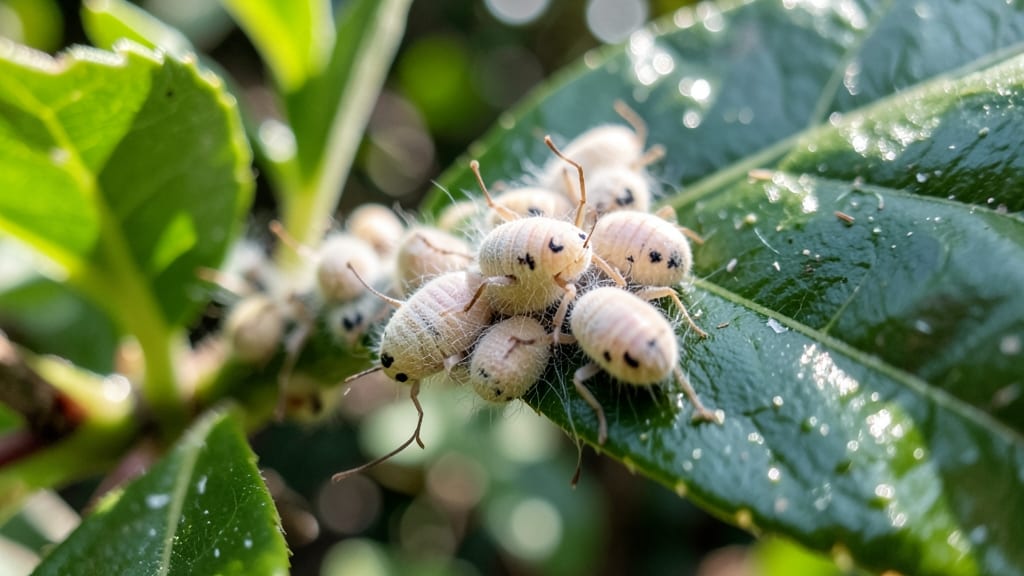
How to control mealybugs on outdoor shrubs—before they turn your once-lush greenery into sticky, white messes. 🌿 These fluffy pests suck sap, leaving behind a gummy residue that attracts ants and weakens plants—but I’ve found fast, effective ways to kick them out for good without harsh chemicals.
The first step is identifying them: look for cottony clusters in leaf axils or under leaves. Most people wait too long, letting infestations spread.
I start with a simple soapy water blast (1 tsp mild dish soap per gallon of water) using a spray bottle or hose nozzle—it smothers them on contact. For stubborn cases, I add neem oil or rubbing alcohol (70% isopropyl) to disrupt their life cycle.
Within 48 hours, you’ll see fewer bugs, and in a week, your shrubs will bounce back with fresh growth. The key is consistency—repeat treatments every 5-7 days until they’re gone.
I also set out yellow sticky traps to catch any stragglers and deter new arrivals. This method works on roses, azaleas, and even fruit trees without harming beneficial insects.
Prevention is easier than cleanup: keep plants healthy with balanced fertilizer, prune for airflow, and introduce ladybugs or lacewings (they love mealybugs). If you catch them early, you’ll avoid the worst damage—and your shrubs will stay lush and pest-free all season.
Root Causes of Mealybug Infestations
Mealybugs don’t just appear out of nowhere—they’re drawn to specific conditions that make your outdoor shrubs an all-you-can-eat buffet. Understanding these triggers is half the battle in keeping your plants healthy.
Let’s break down the science behind why these tiny pests target your shrubs and how they thrive in your garden.
---
Mealybugs are opportunistic feeders, and they love plants that can’t fight back. When shrubs are stressed, their natural defenses—like sticky sap (which traps insects) or strong cell walls—weaken, making them easier targets.
- Nutrient Deficiencies 🌱: Plants lacking nitrogen, phosphorus, or potassium struggle to produce the proteins and sugars mealybugs crave. A simple soil test can reveal imbalances. - Overwatering or Underwatering 💧: Both extremes stress plants.
Too much water drowns roots and creates soggy conditions (ideal for mealybugs), while drought weakens foliage, making it easier for pests to latch on. - Poor Drainage 🚫: Compacted or clay-heavy soil traps moisture, creating a damp, humid microclimate that mealybugs adore.
Their waxy coating helps them retain moisture, so they thrive in these sticky environments.
Pro Tip: 💡 Mulch properly—2-3 inches of organic mulch (like wood chips or straw) helps regulate soil moisture and temperature, reducing stress on your shrubs.
---
Mealybugs are cold-sensitive but love warm, humid conditions. If your climate or microclimate mimics their preferences, they’ll stick around—and multiply.
- Warm Temperatures (70–85°F) 🌡️: Mealybugs are most active in this range. They slow down in cold weather but can survive indoors or in sheltered spots during winter. - High Humidity (60%+) 💦: Their waxy coating helps them retain moisture, so they thrive in damp, shaded areas.
Greenhouses, dense foliage, or north-facing shrubs are prime real estate. - Sudden Climate Shifts ❄️☀️: Plants struggling to adapt after frost or heatwaves become more vulnerable. Mealybugs exploit this weakness by moving in for the feast.
Pro Tip: ✨ Prune for airflow—thin out dense shrubs to improve circulation and reduce humidity pockets where mealybugs hide.
---
Mealybugs aren’t picky, but they have a serious sweet tooth. Plants with high sugar content or sticky sap are like neon signs for these pests.
- Sap-Rich Plants 🌿: Shrubs like hibiscus, roses, and citrus are mealybug magnets because their sap is packed with sugars.
Once they find one infested plant, they’ll spread to neighbors. - New Growth & Flowers 🌸: Tender new leaves and blooms are packed with nutrients, making them a mealybug’s favorite snack.
They often cluster at the base of stems or under buds. - Honeydew Buildup 🍯: Mealybugs excrete honeydew—a sticky, sugary waste product—that attracts ants (their bodyguards) and sooty mold (a black fungal growth). This creates a vicious cycle: more mealybugs → more honeydew → more infestation.
Pro Tip: 🎯 Monitor high-risk plants—check citrus trees, roses, and newly planted shrubs weekly for early signs of cottony clusters.
---
Mealybugs don’t just hitchhike—they love a free ride. Unknowingly, gardeners and wildlife can transport them to your shrubs.
- Contaminated Tools or Pots 🔪: Pruners, gloves, or nursery pots can carry mealybugs from one plant to another. Always disinfect tools with rubbing alcohol between uses. - Wind & Wildlife 🐝🍃: Ants, bees, and even birds can unintentionally spread mealybugs (or their eggs) from infested plants to healthy ones.
Strong winds can also blow them short distances. - New Plants Without Quarantine 🌱: Bringing home a "perfect" looking shrub from a nursery? If it’s carrying mealybugs (or their eggs), you’ve just introduced them to your garden. Always quarantine new plants for 2–4 weeks.
Pro Tip: 🔥 Inspect new plants—rinse them with soapy water before planting, and keep them isolated until you’re sure they’re pest-free.
Beat Back Mealybugs Fast
Mealybugs may be sneaky, but they’re not invincible! The key to reclaiming your shrubs is a multi-step approach that combines quick fixes for existing infestations and smart prevention to keep them from returning.
Below, we’ll tackle the most common causes of mealybug outbreaks and match them with easy, effective solutions—no fancy (or expensive) tools required.
---
Mealybugs thrive where plants are weak, so thinning out overgrowth and improving plant health is step one.
How to Fix It: - 🍳 Trim Infested Branches: Snip off heavily infested stems just below the damage (about ½ inch below the mealybug cluster). Dispose of them in a sealed bag—do not compost! - 👨🍳 Boost Plant Vitality: Water deeply but less frequently (mealybugs love soggy soil). Add a balanced fertilizer (like 10-10-10) to encourage robust growth. - 🌿 Improve Airflow: Prune dense foliage to reduce humidity pockets where mealybugs hide.
💡 Pro Tip: If your shrub is severely weakened, consider a foliar feed with seaweed extract—it strengthens plants naturally and deters pests.
---
Mealybugs adore tender, new shoots. Direct treatment is your best bet here.
How to Fix It: - 🔪 Soapy Water Blast (Best for Small Infestations): - Mix 1 tsp mild dish soap (like Dawn) + 1 quart warm water in a spray bottle. - Spray directly on mealybugs (they’ll curl up—this is good!). - Reapply every 5–7 days until they’re gone. - ⏰ Best time: Early morning or late evening (avoid direct sun, which can harm plants).
- 🍎 Horticultural Oil (For Stubborn Cases): - Use neem oil or dormant oil (follow label rates). - Spray evenly, covering all leaf surfaces, including undersides. - Wait 24 hours before watering to let it work.
⚠️ Warning: Test sprays on a small leaf area first—some plants (like boxwoods) are sensitive to oils.
---
If your garden is a mealybug hotspot, preemptive trapping can save your shrubs.
How to Fix It: - 🎯 Sticky Traps: Place yellow sticky traps near infested shrubs. Mealybugs (and their flying friends, like aphids) get stuck trying to land. - 🛡️ Reflective Mulch: Spread aluminum foil or silver plastic mulch around the base of shrubs. The reflective surface confuses mealybugs and deters them. - 🌿 Beneficial Insects: Release ladybugs, lacewings, or cryptolaemus beetles (sold at garden centers). These natural predators will devour mealybugs in days!
💡 Pro Tip: Coffee grounds around shrubs also repel mealybugs—sprinkle used grounds lightly in the soil.
---
If mealybugs keep coming back, break their cycle with these habits.
How to Fix It: - 🌱 Quarantine New Plants: Inspect every new shrub before bringing it home. Look under leaves and in crevices for cottony clusters. - 🧼 Clean Tools & Pots: Sterilize pruners with rubbing alcohol between uses. Scrub pots with soapy water to remove hidden eggs. - 🍂 Fall Cleanup: Remove all plant debris (fallen leaves, old mulch) where mealybugs might overwinter. - 🌿 Rotate Treatments: Alternate between soapy sprays, oils, and beneficial insects to prevent resistance.
✨ Bonus: Garlic spray (blend garlic + water, strain, and spray) acts as a natural repellent and can be used monthly as maintenance.
--- Final Reminder: Consistency is key! Mealybugs reproduce fast, so check shrubs weekly during warm months. With these steps, you’ll crush infestations and keep your outdoor shrubs lush and pest-free for seasons to come.
Frequently asked questions
What do mealybugs look like on my shrubs?
Mealybugs appear as tiny, white, cotton-like clusters (about 1/16-inch long) tucked in leaf axils, under leaves, or along stems. They resemble bits of cotton or wool and often leave behind a sticky residue called honeydew. Look closely at new growth or flower buds—those are their favorite hiding spots!
How often should I treat mealybugs?
For active infestations, spray your shrubs every 5-7 days with soapy water or neem oil until you see no new bugs (usually 2-3 weeks). After that, switch to monthly preventative sprays during warm months. Consistency is key—mealybugs reproduce quickly, so don't skip treatments!
Will mealybugs kill my shrubs?
While they won't kill healthy shrubs outright, severe infestations can weaken plants by sucking sap, causing leaf drop, and attracting sooty mold. Young or stressed plants are most vulnerable. Act fast—early treatment with soapy water or horticultural oil can save your shrubs before they become too damaged.
Can I use vinegar to control mealybugs?
White vinegar (1 part vinegar to 3 parts water) can help as a natural spray, but it's less effective than soapy water or neem oil. The acidity disrupts their waxy coating, but you'll need to reapply frequently. Always test on a small leaf area first—vinegar can harm some plant varieties, especially in direct sunlight.
Why do I keep getting mealybugs even after treatment?
Persistent mealybugs usually mean eggs survived your treatment or new ones arrived from nearby plants. Try rotating methods: use soapy water one week, neem oil the next, and introduce beneficial insects. Also check for hidden infestations in pots, tools, or soil—mealybugs can hide in these spots between treatments!