
How To
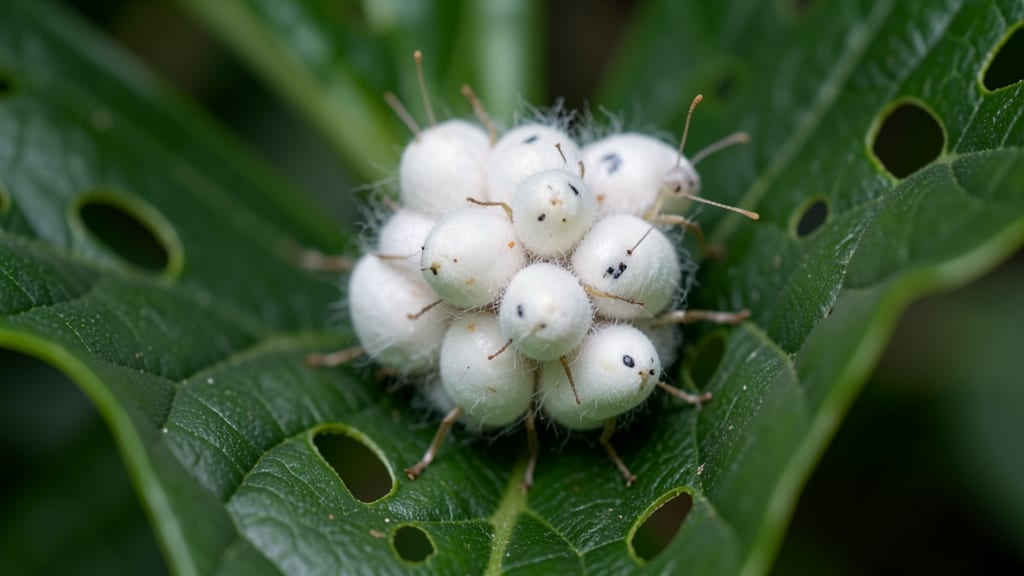
How to control mealybugs on houseplants turns your lush houseplants into sticky, white messes faster than you can say "plant hospital." 🌱 I’ve battled these fluffy pests on my pothos and succulents, and the soap-water drench method actually works—no harsh chemicals needed. The key is timing, technique, and a little elbow grease. Most people panic and reach for toxic sprays, but mealybugs hate soapy water because it disrupts their waxy coating. You’ll need 1 tablespoon mild dish soap per quart of water, a spray bottle, and a soft cloth. The secret? Spray until dripping wet—these guys hide in crevices, and you want to flush them out, not just a light mist. Within 24 hours, you’ll see them crawling away or falling off. Repeat every 3-5 days for a full week to starve out any stragglers. Your plants will bounce back with shiny new growth in no time—no more sticky residue or wilting leaves. Works for pothos, succulents, ferns, and even orchids, but avoid overwatering after treatment. Here’s how to do it right the first time.
Root Causes of Mealybug Infestations
Mealybugs aren’t just random pests—they thrive because of specific conditions your houseplants might be silently signaling. Understanding these triggers is the first step to stopping them before they take over. Let’s break down the real reasons these fluffy, cotton-like critters invade your green babies.
Mealybugs love weakened hosts. When plants are stressed—whether from overcrowding, poor airflow, or nutrient deficiencies—their natural defenses drop, making them an all-you-can-eat buffet for pests.
- Why it happens:
- Root-bound plants (potted plants with roots circling the bottom) struggle to absorb water/nutrients, weakening growth.
- Poor air circulation (common in tightly packed shelves or humid bathrooms) creates a cozy, humid microclimate—mealybugs’ favorite.
- Nutrient imbalances (like too much nitrogen or lack of phosphorus) make leaves softer and more susceptible to infestation.
- Actionable sign: Check for yellowing leaves, stunted growth, or roots growing out of drainage holes. These are red flags.
Mealybugs adore humidity—but not the kind from a well-ventilated greenhouse. Stagnant, overly damp air (like in bathrooms or kitchens) traps moisture on leaves, creating the perfect breeding ground.
- Why it happens:
- Mealybugs can’t survive in dry conditions—their waxy coating prevents dehydration, but they need 70%+ humidity to reproduce.
- Condensation on leaves (from overwatering or poor drainage) gives them a direct water source.
- Grouped plants (like a jungle of ferns or monstera) trap moisture, turning your collection into a mealybug paradise.
- Actionable sign: Look for white, powdery residue on leaves or sticky residue (honeydew)—a sure sign of a happy mealybug colony.
While mealybugs love humidity, they hate dryness—but they love the soft, waterlogged roots that come from overwatering. Soggy soil weakens plants, making them easy targets.
- Why it happens:
- Waterlogged roots suffocate plants, reducing their ability to fight pests.
- Excess moisture on leaves (from overhead watering) gives mealybugs a foothold.
- Poor drainage (no pebbles, broken pots, or compacted soil) traps water, inviting fungi and pests alike.
- Actionable sign: Mushy stems, wilting despite wet soil, or a foul smell from the pot. Drainage issues? That’s an open invitation.
Mealybugs hitchhike—on new plants, soil, or even dirty gardening tools. If you’ve recently added a new houseplant, repotted, or shared scissors with a friend, you might’ve brought these stowaways home.
- Why it happens:
- Nursery plants (even big-box stores) can carry mealybugs in soil or hidden in leaf axils.
- Contaminated tools (pruners, pots, or even your fingers) transfer pests from one plant to another.
- Outdoor plants (if you bring in cuttings or gifts) may introduce them from wild populations.
- Actionable sign: Isolate new plants for 2–4 weeks and inspect undersides of leaves, stems, and soil surfaces before introducing them to your collection.
Mealybugs feast on phloem sap—the sweet, nutrient-rich liquid plants produce. Some plants (like citrus, hibiscus, or succulents) are especially attractive because their sap is extra sugary.
- Why it happens:
- High-sugar plants (like bougainvillea or jasmine) produce more sap, making them a buffet.
- New growth (tender, fast-growing leaves) has thinner cell walls, making sap easier to access.
- Fertilizer burns (too much nitrogen) can make plants produce more sap, unintentionally feeding pests.
- Actionable sign: Sticky leaves (honeydew) or black sooty mold (a fungus that grows on honeydew) are classic mealybug party signs.
How to Fix Mealybugs Fast
Mealybugs may seem like a stubborn pest, but with the right approach, you can eliminate them in one treatment—or even prevent them from returning. Below, we’ve mapped out practical, step-by-step solutions tailored to the root cause of your infestation, plus prevention tips to keep your houseplants thriving.
Mealybugs thrive where plants are weak, so strengthening your plant’s defenses is key.
✅ Fix It:
- Isolate the plant 🏠 – Move it away from other greenery to prevent spreading.
- Wipe down leaves with a soapy water solution (1 tsp mild dish soap + 1 quart water). Use a soft cloth or sponge to remove visible bugs and cottony residue.
- Prune affected areas ⏰ – Snip off heavily infested leaves or stems with clean scissors.
- Boost plant health 💪 – Water only when the top inch of soil is dry (overwatering = mealybug buffet). Fertilize lightly with a balanced, organic fertilizer to restore vigor.
💡 Pro Tip: If your plant is root-bound, repot it into a slightly larger container to reduce stress.
Bringing home a new plant? Mealybugs can hitch a ride—here’s how to stop them before they start.
✅ Fix It:
- Quarantine for 2–4 weeks 🛑 – Keep the new plant away from others while you monitor it.
- Inspect thoroughly 🔍 – Check undersides of leaves, stems, and soil for tiny white cottony clusters.
- Drench in soapy water 🚿 – Spray or wipe down the entire plant (including the soil surface) with the soap-water mix mentioned above.
- Repeat in 5–7 days ⏳ – Mealybugs lay eggs, so a second treatment ensures no survivors.
💡 Pro Tip: If the plant is severely infested, consider discarding it to protect your collection.
Mealybugs love warm, dry environments—so tweaking your plant’s habitat can deter future outbreaks.
✅ Fix It:
- Increase humidity 🌧️ – Place a humidifier nearby or group plants together to create a microclimate.
- Mist leaves regularly 💦 – Use room-temperature water to keep foliage moist (but avoid soggy soil).
- Improve airflow 🌬️ – Open windows or use a small fan on low speed to discourage pests.
- Avoid over-fertilizing 🚫🌱 – Too much nitrogen = softer leaves = easier mealybug meals. Stick to balanced, diluted fertilizer.
💡 Pro Tip: Neem oil spray (1 tsp neem oil + 1 tsp mild soap + 1 quart water) can repel mealybugs while improving plant resilience.
If soap water isn’t enough, these DIY sprays will smother and suffocate mealybugs without harsh chemicals.
| Solution | How to Use | Frequency |
|---|---|---|
| Rubbing Alcohol (70%) | Mix 1 part alcohol + 3 parts water, spray directly on bugs. | Every 3–4 days until gone |
| Hydrogen Peroxide (3%) | Spray undiluted on infested areas (test on a small leaf first). | Weekly until clear |
| Insecticidal Soap | Follow label instructions—reapply every 5–7 days. | Until no signs remain |
⚠️ Caution: Always test sprays on a small leaf area first to avoid damage.
Once your plants are mealybug-free, follow these long-term strategies to prevent reinfestation:
✔ Inspect new plants before bringing them home (especially succulents, orchids, and ferns—common mealybug targets). ✔ Wipe leaves monthly with a damp microfiber cloth to remove dust and early-stage pests. ✔ Encourage beneficial insects 🐞 – Ladybugs and lacewings eat mealybugs!
Introduce them naturally or buy them online. ✔ Rotate plants 🔄 – Move them occasionally to disrupt pest cycles and improve air circulation. ✔ Use sticky traps 🕸️ – Place yellow sticky traps near infested plants to catch crawling mealybugs.
Final Thought: Mealybugs may be sneaky, but with one targeted treatment + smart prevention, you can keep your houseplants happy and pest-free—no chemical battles required! 🌿✨
Frequently asked questions
How do I know if my plant has mealybugs?
Look for tiny white, cotton-like clusters in leaf crevices, under leaves, or along stems. You might also spot sticky honeydew residue on leaves or windowsills below your plants. Early signs include yellowing leaves or black sooty mold (a fungus that grows on honeydew).
Will soap water harm my plants?
No, when used correctly! Use 1 tablespoon mild dish soap per quart of water—never harsh soaps like laundry detergent. Always test on a small leaf first and rinse thoroughly after treatment. The key is dilution—too much soap can damage leaves, but the right mix kills mealybugs without harm.
How long does it take to get rid of mealybugs?
With proper treatment, you’ll see visible results in 24-48 hours—bugs will start falling off or crawling away. For complete eradication, repeat the soap-water drench every 3-5 days for 1-2 weeks to catch any eggs or stragglers. Patience is key, especially for severe infestations.
Can I use neem oil on all houseplants?
Neem oil is safe for most plants, but avoid succulents and cacti—they can absorb too much oil and develop brown spots. For sensitive plants like ferns or orchids, dilute it further (1 tsp neem oil + 1 tsp soap + 1 quart water) and test on a small area first. Always apply in the evening to prevent leaf burn from sunlight.
What should I do if mealybugs keep coming back?
Persistent mealybugs usually mean underlying plant stress. Check for overwatering, poor drainage, or nutrient deficiencies—these weaken plants and attract pests. Also inspect nearby plants (mealybugs spread fast!) and quarantine new additions for 2-4 weeks. If the problem persists, consider beneficial insects like ladybugs or a stronger solution like rubbing alcohol spray.