
Aphids
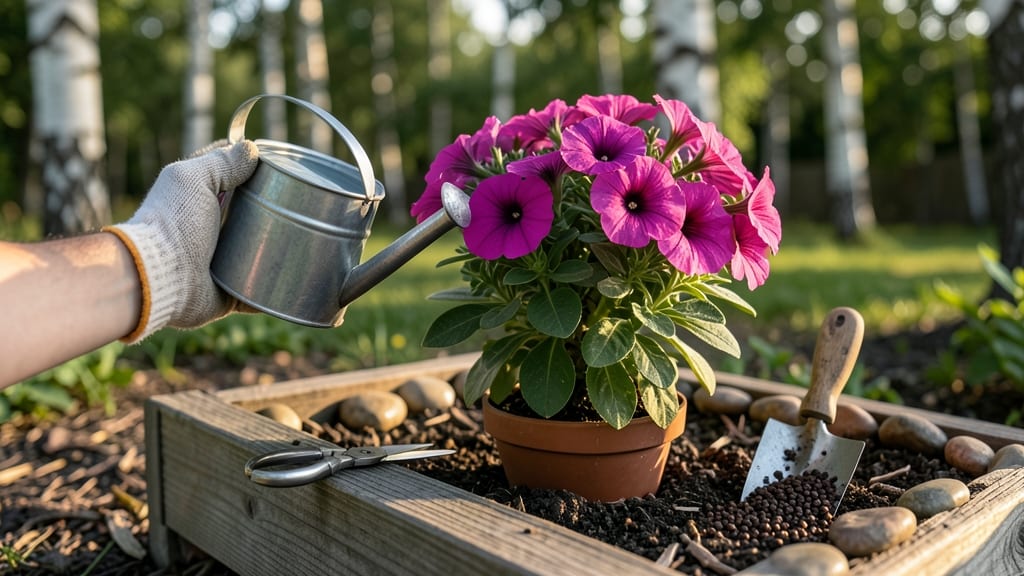
How to maintain petunias that bloom nonstop until frost? It’s possible—and I’ve perfected the routine after years of battling aphids and wilting flowers. 🌸 The secret isn’t just watering or fertilizing (though those matter), but a few simple habits that keep them thriving when others give up.
Start with the right soil—petunias hate soggy roots but need consistent moisture. I mix in compost at planting and top-dress with slow-release fertilizer every 6 weeks. Pruning spent blooms weekly forces new flowers, and a weekly spray of neem oil keeps aphids from ever taking hold.
Most gardeners skip this last step, which is why their petunias look ragged by summer.
By midseason, your plants will be covered in blooms with barely a leaf in sight—exactly how I keep mine looking like a florist’s display. The key is consistency: water deeply in the morning, prune aggressively, and never let them dry out completely.
Even in heatwaves, they bounce back faster than any other annual.
Winter care depends on your zone—tender petunias die back, but if you’re in a mild climate, mulch heavily and they’ll surprise you with spring regrowth. For everyone else, treat them as annuals and start fresh each year.
The payoff? Six months of effortless color that turns heads at every neighborhood gathering.
📚 In This Guide
- What you need
- Instructions
- Tips and common mistakes
- Wrapping up and next steps
What you need
- ● Petunias: Start with healthy, disease-free plants (seeds, seedlings, or nursery-bought). Quantity: 3–5 per container (if planting in pots) or spaced 12–18 inches apart in garden beds.
- ● Well-draining potting mix: Type: Lightweight, organic blend (e.g., 60% peat moss, 30% perlite, 10% compost). Quantity: 1–2 bags (5–10 cubic feet) per 4–6 plants.
- ● Containers (if potted): Size: At least 12 inches deep and wide with drainage holes. Material: Terracotta, plastic, or fabric grow bags.
- ● Fertilizer: Balanced liquid fertilizer (10-10-10 or 20-20-20): For regular feeding during the growing season.
- ● Slow-release granules (e.g., Osmocote): Mix 1 tbsp per plant into soil at planting time.
- ● Organic options: Fish emulsion (1-2-2 ratio) or compost tea.
- ● Watering can or hose with a gentle spray nozzle: Tip: Avoid soaking leaves to prevent fungal issues.
- ● Pruning shears or clean scissors: Sharpness: Disinfect with rubbing alcohol before/after use.
- ● Mulch: Type: Straw, shredded bark, or pine needles (2–3 inches thick). Why? Retains moisture and deters weeds.
- ● Neem oil (1% azadirachtin): Mix: 1 tbsp per quart of water + 1 tsp mild soap. Spray early morning on aphids (avoid flowers). Reapply: Every 5–7 days.
- ● Insecticidal soap: Spray: Directly on aphids (test on a small leaf first). Note: Safe for pets but avoid spraying when bees are active.
- ● Ladybugs or lacewings: Quantity: Release 5–10 per plant (available online or at garden centers). Bonus: They’re petunia pals!
- ● Yellow sticky traps: Placement: Hang near plants to monitor aphid activity.
- ● Hose with strong stream: Blast aphids off leaves (do this in the early morning for best results).
- ● Garden gloves: Protect your hands from thorns or soil-borne pathogens.
- ● pH test kit: Ideal soil pH for petunias: 6.0–7.0. Adjust with lime (to raise pH) or sulfur (to lower).
- ● Epsom salt (magnesium sulfate): Mix: 1 tbsp per gallon of water. Spray foliage monthly for extra vibrancy.
- ● Cage or trellis: For trailing varieties (e.g., Petunia ‘Supertunia’).
- ● Plant labels: Track varieties and care schedules (especially if you’re experimenting with colors!).
Step-by-Step instructions for maintaining petunias
Here's the method I use to keep petunias blooming nonstop—even when aphids try to crash the party.
🌱 Step 1: Prune Regularly to Encourage New Growth
Pinch off spent blooms daily during peak season—this isn't just about looks. Removing faded flowers redirects the plant's energy from seed production to creating more buds. I use clean, sharp scissors to cut just above the next set of leaves where the stem meets the main growth. This prevents disease from entering through ragged cuts.
Watch for the plant's natural growth pattern: when you see leggy stems with no flowers, it's time to cut back by about one-third. This heavy pruning in early summer gives petunias a second flush of blooms that lasts until frost. Real talk: if you skip this, your petunias will look like they're taking a nap instead of putting on a show.
☀️ Step 2: Position for Maximum Sunlight and Airflow
Petunias need at least 6 hours of direct sunlight daily—more if you want that intense color. I place mine in full sun but monitor for wilting during heatwaves. If leaves start curling or turning yellow, move them to a spot with morning sun and afternoon shade for a few days to recover.
This is the moment that matters: proper airflow prevents fungal diseases like powdery mildew. Space plants 12-18 inches apart (depending on variety) so air circulates freely. You'll see the difference immediately—plants in crowded conditions develop weak stems and splotchy leaves within weeks.
💧 Step 3: Water Deeply at the Base Only
Water petunias at the soil level in the morning so leaves have time to dry before evening. I use a drip irrigation system or a watering wand to avoid wetting foliage, which invites fungal issues. The top 2 inches of soil should feel dry to the touch before watering again—petunias hate soggy roots but also can't handle drought.
Here's the thing—overhead watering creates the perfect conditions for aphids to thrive. These pests love the sticky residue left by water droplets. If you notice curled leaves or sticky sap, it's time to switch to ground-level watering and introduce beneficial insects like ladybugs.
✂️ Step 4: Fertilize Strategically for Continuous Blooms
Use a balanced, water-soluble fertilizer (like 10-10-10) every 2-3 weeks during the growing season. I mix it at half-strength to avoid burning tender roots. The key is consistency—petunias respond to regular feeding with nonstop blooms, but they'll sulk if fertilized too heavily or irregularly.
Switch to a low-phosphorus formula (like 5-10-10) when buds form to prevent excessive leaf growth at the expense of flowers. You'll see the difference in 7-10 days: plants fertilized correctly produce 2-3 times more blooms than those getting too much nitrogen.
🪴 Step 5: Overwinter Care for Next Season's Growth
In fall, cut back plants to 6 inches above the soil and mulch heavily with 2-3 inches of straw or shredded leaves. This protects roots from freezing temperatures. I cover containers with burlap for extra insulation during hard freezes—petunias are tender perennials in most climates.
Don't move the pot until spring. The established root system thrives in the same spot, and transplanting shocks them. In early spring, resume fertilizing when you see new growth. You'll be rewarded with blooms 4-6 weeks earlier than starting from seed each year.
Tips & tricks for perfect petunia care
Between us, petunias are divas—they demand attention but reward you with nonstop color. Here's how to keep them thriving without the guesswork.
Soil Science: The perlite addition in Step 1 isn't just about drainage—it's about aeration. Petunias hate compacted roots, so mix that perlite thoroughly into the planting hole. I've seen petunias wilt dramatically when planted in regular garden soil without it. Think of it as giving their roots room to breathe, which translates directly to more blooms. The 6 inches of deep watering isn't arbitrary either—it ensures moisture reaches where the roots actually need it, not just the surface.
Watering Wisdom: That 1 inch weekly measurement in Step 2 is your golden rule, but timing matters just as much. I've learned the hard way that morning watering prevents fungal issues completely. The 2-inch soil check is your best friend—if it's dry at that depth, water thoroughly. Here's a trick: use a rain gauge or measuring cup to track exactly how much you're applying. Petunias will tell you when they're thirsty by drooping dramatically, but by then it's often too late to save buds.
Pruning Precision: When trimming those leggy stems in Step 3, aim for clean cuts just above leaf nodes. I use small pruning shears for this because clean cuts heal faster. The 7-10 day regrowth window is real—be patient and resist the urge to prune again too soon. For deadheading, I've found that doing this first thing in the morning prevents the plant from wasting energy overnight. And here's what nobody tells you: if you see buds forming but then dropping, it's usually a sign of inconsistent watering or temperature fluctuations.
Fertilizer Finesse: That half-strength 10-10-10 fertilizer in Step 4 is crucial—petunias are sensitive to salt buildup from concentrated fertilizers. I've ruined petunias by being too aggressive with feeding. The key is consistency: feed every 7-10 days during active growth, then taper off as fall approaches. For the soapy water solution, I use Castile soap specifically because it's gentle enough for repeated applications. You'll notice the difference in just a few days when aphids stay away completely.
Pro Tips for Maintain Petunias
- Between us, petunias are divas—they demand attention but reward you with nonstop color. Here's how to keep them thriv...
- Soil Science: The perlite addition in Step 1 isn't just about drainage—it's about aeration. Petunias hate compacted r...
- Watering Wisdom: That 1 inch weekly measurement in Step 2 is your golden rule, but timing matters just as much. I've ...
Frequently asked questions
Got questions about keeping your petunias thriving—especially when aphids are lurking? You’re not alone! Here are answers to the most common concerns gardeners face with petunia care, from pests to pruning and everything in between.
How often should I water petunias, and what’s the best method?
Petunias need consistent moisture—water them every 1–2 days (daily in extreme heat). Water at the base (not overhead) to prevent fungal diseases and keep blooms dry. Mulch with 1–2 inches of organic material (like straw) to retain moisture and deter weeds. Pro tip: Let the top inch of soil dry out between waterings to avoid root rot.
What’s the fastest way to get rid of aphids on petunias?
Aphids love petunias, but you can kick them to the curb with these steps:
- Blast them off with a strong stream of water from a hose (repeat every 3–4 days).
- Spray soapy water: Mix 1 tsp mild dish soap in 1 quart water, apply in the evening to avoid harming bees.
- Introduce predators: Ladybugs, lacewings, or parasitic wasps (like Aphidius colemani) will devour them naturally.
- Neem oil spray: Apply weekly as a preventive—aphids hate it!
When and how should I prune petunias for bushier growth?
Prune petunias after flowering (spring/early summer) to encourage fuller, bushier plants. Use clean, sharp scissors to:
- Trim dead or leggy stems back to a leaf node.
- Pinch off spent blooms (deadheading) to redirect energy to new flowers.
- Avoid cutting more than ⅓ of the plant at once to prevent stress.
Can petunias survive winter, or should I replant every year?
Most petunias are annuals, but some perennial varieties (like Petunia axillaris) can survive mild winters with protection. For others:
- Dig up tubers (if growing from seed) in fall, store in dry peat moss, and replant next spring.
- Overwinter indoors: Move potted petunias to a cool (50–60°F), bright spot with minimal water.
- Replace annually for easiest care—most gardeners start fresh each spring!
Are there petunia alternatives that repel aphids naturally?
If aphids are a recurring nightmare, try these aphid-resistant companions to plant nearby:
- Marigolds (especially French marigolds): Release pyrethrum, a natural insect repellent.
- Basil: Its scent confuses aphids and attracts beneficial wasps.
- Garlic or chives: Plant near petunias—their strong aroma deters pests.
- Nasturtiums: Trap aphids on their leaves (sacrificial plants!).
Wrapping up and next steps
With these aphid-proof secrets and simple care tips, your petunias will thrive and bloom all year long! 🌸 Remember, consistency is key—whether it’s deadheading, fertilizing, or keeping pests at bay. You’ve got this gardener!
Ready to level up your petunia game? Start by planning your next planting session or exploring creative ways to display your blooms—your garden deserves the spotlight! 🌿