
Flowers
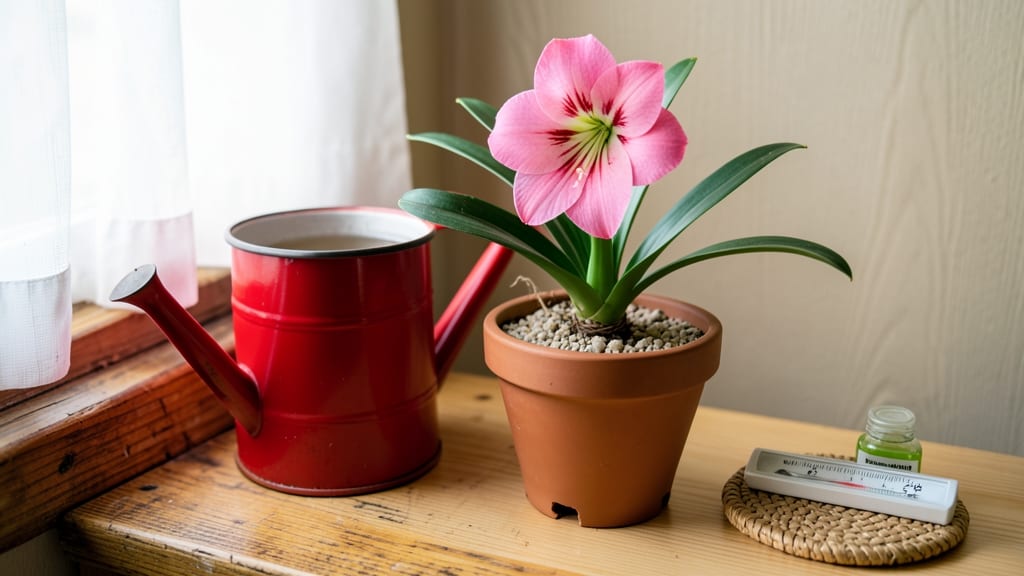
How to care for amaryllis flower can turn a single bulb into a showstopper that blooms for months—not just weeks—if you follow this secret. 🌸 I’ve had mine push out flowers from Christmas through Valentine’s Day, and it all starts with understanding their hidden needs. Most people overwater or move them too soon, cutting blooms short before they even begin. The trick is dormancy timing: let the bulb rest after flowering, then wake it with warmth and patience. You’ll see new shoots within 6-8 weeks of proper care, and those blooms? They’ll last 2-3 weeks longer than store-bought versions. The key is balancing light, water, and fertilizer—none of which are as simple as they seem. Once you master the 60/40 soil mix (60% potting soil, 40% perlite), your amaryllis will thrive year after year. No more sad, wilted stems—just bold, vibrant blooms that turn heads. This isn’t just about keeping it alive; it’s about making it spectacular.
Here’s the game-changer: fertilize lightly during growth (every 4-6 weeks), but stop completely once buds form. Too much nitrogen = fewer flowers. And yes, you can force multiple blooms per season—just give the bulb a 2-month break after each cycle.
That’s how I get three full blooms a year from a single plant.
Fair warning: amaryllis bulbs are sensitive to drafts and cold. Keep them in a sunny spot (east or west window) but out of AC vents or chilly corners.
The roots need room too—repot every 2-3 years in a container just 1-2 inches larger than the bulb itself. Tight spaces = more blooms, not fewer.
📚 In This Guide
- What you need
- Instructions
- Tips and common mistakes
- Wrapping up and next steps
What you need
- ● Amaryllis bulb – Choose a healthy, firm bulb (size 5-6 inches in diameter for optimal blooms).
- ● Pot with drainage holes – A 6-8 inch ceramic or terracotta pot (one hole per bulb is ideal).
- ● Well-draining potting mix – A blend of 60% peat moss or coconut coir, 30% perlite or pumice, and 10% sand (or a pre-mixed cactus/succulent mix).
- ● Watering can with a narrow spout – For precise watering (avoid soggy soil!).
- ● Fertilizer – A balanced, water-soluble fertilizer (10-10-10 or 20-20-20) or a bulb-specific fertilizer.
- ● Bright, indirect light source – A south- or east-facing window or a grow light (12-14 hours/day during blooming).
- ● Room-temperature water – For watering (never cold!).
- ● Decorative pot or cachepot – For a stylish outer layer (ensure it sits on top of the drainage pot).
- ● Humidity tray or pebble tray – To boost moisture levels in dry climates.
- ● Plant stakes or support – If your amaryllis grows tall (6+ inches), use a soft tie to prevent bending.
- ● Spray bottle – For misting leaves (great for humidity-loving varieties).
- ● Thermometer/hygrometer – To monitor ideal temps (65-75°F day, 55-60°F night).
Tips & tricks for perfect amaryllis flower care
Between us, amaryllis can be stubborn—but these tricks will help you coax those showstopping blooms year after year without the guesswork.
Lighting Strategy: That 12-14 hours of grow light during winter isn't just about extra brightness—it's about mimicking the long daylight hours amaryllis experience in their native habitat. I position my grow light about 12 inches above the plant and use a timer to automate it. Too close, and you risk burning the leaves; too far, and the light becomes ineffective. Watch for leaves leaning toward the light source—that's your plant signaling it needs to move closer or stay longer.
Watering Precision: The top 2-3 inches dry rule is non-negotiable, but here's what nobody tells you: use a moisture meter for accuracy, especially in winter when humidity drops. I've seen amaryllis leaves crisp at the edges from underwatering just as quickly as they rot from overwatering. Pro tip: Water in the morning so excess can drain completely before nightfall—this prevents fungal issues that thrive in damp soil overnight.
Fertilizer Timing: That 2-week feeding schedule with 10-10-10 works wonders, but the real secret is when you stop. I always cease fertilizing 2 weeks before the flowers fade completely—this gives the plant time to redirect nutrients to the bulb for next year's blooms. Think of it like giving your plant a "diet" before its winter rest period. You'll notice the leaves yellow more gracefully when you follow this timing.
Dormancy Discipline: The 6-8 week dormancy at 55-60°F is where the magic happens, but consistency is key. I mark my calendar 8 weeks after the last flower falls to bring the plant back into light. During this time, I check the bulb monthly—if it feels soft or smells musty, that's your cue to adjust storage conditions immediately. The goal is to create a cool, dark, and dry environment where the bulb can focus entirely on storing energy.
Pro Tips for Care For Amaryllis Flower
- Between us, amaryllis can be stubborn—but these tricks will help you coax those showstopping blooms year after year without the guesswork.
- Lighting Strategy: That 12-14 hours of grow light during winter isn't just about extra brightness—it's about mimicking the long daylight hours amaryllis experience in their native habitat.
- Watering Precision: The top 2-3 inches dry rule is non-negotiable, but here's what nobody tells you: use a moisture meter for accuracy, especially in winter when humidity drops.
Frequently asked questions
How often should I water my amaryllis?
Water your amaryllis only when the top 2 inches of soil are dry. Overwatering is the #1 killer—aim for about once a week in winter (when dormant) and every 3–5 days in spring/summer (when growing). Let excess water drain completely to prevent root rot.
Why isn’t my amaryllis blooming?
Blooms need 6–8 weeks of cool (50–55°F) dormancy after flowering. If your plant isn’t blooming, check these fixes:
- Light: Move to bright, indirect light (south/west-facing windows).
- Dormancy: Reduce water/fertilizer in fall/winter.
- Pot size: Repot if roots are cramped (choose a 1–2 inch larger container).
Can amaryllis survive indoors year-round?
Yes! With proper care, amaryllis thrives indoors. Key tips:
- Temperature: Keep between 60–75°F (avoid drafts).
- Light: Supplement with a grow light 12–14 hours/day in low-light areas.
- Rotation: Turn the pot weekly for even growth.
What do brown tips on amaryllis leaves mean?
Brown tips usually signal underwatering or fluoride/chlorine in tap water. Try these fixes:
- Water: Use room-temperature, filtered, or rainwater.
- Humidity: Place a tray of pebbles + water nearby (but avoid soggy soil!).
- Trim: Snip dead tips with sterilized scissors to prevent spread.
Can I grow amaryllis from seed?
Technically yes, but it’s not recommended for beginners! Seeds take 6–10 years to bloom, while bulbs produce flowers in 6–8 weeks. If you’re curious:
- Start: Plant seeds in well-draining soil at 70°F.
- Patience: Keep soil moist but not soggy for 2–3 months.
- Alternative: Buy pre-grown bulbs for instant blooms!
Wrapping up and next steps
Caring for your amaryllis is simpler than you think—with the right light, water, and a little patience, you’ll enjoy stunning blooms for months! Remember, consistency is key: balance sunlight, let the soil dry slightly between waterings, and give it a cozy winter break to recharge.
Your efforts will pay off with showstopping flowers that brighten any space.
Ready to take your amaryllis care to the next level? Experiment with fertilizers or try propagating bulbs to expand your collection—your green thumb is growing stronger every day! 🌱✨