
How To
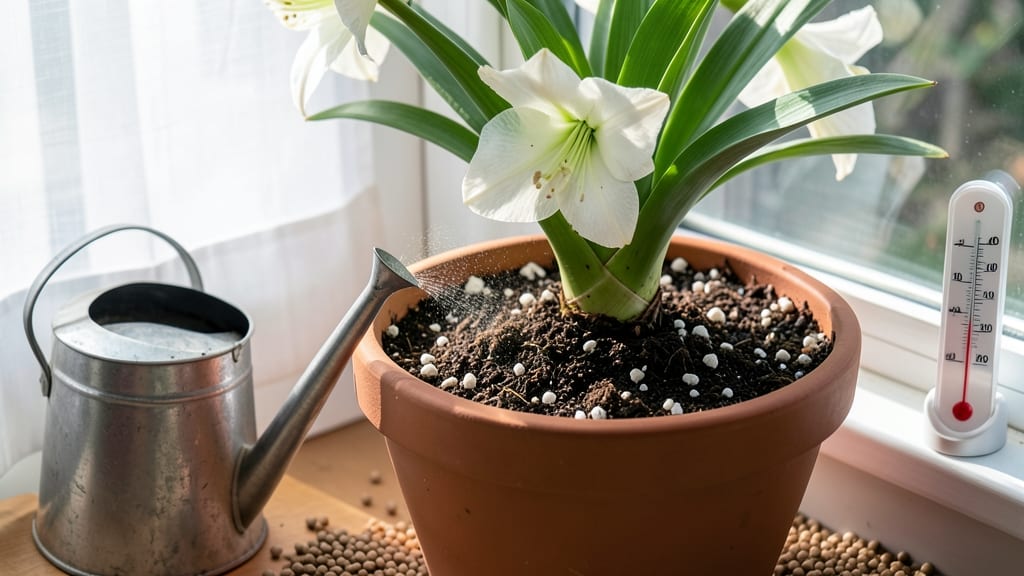
Caring for giant amaryllis (Hippeastrum) means unlocking those jaw-dropping blooms year after year—not just for spring. 🌟 These bold beauties need a few key adjustments from their smaller cousins, and once you get them right, they’ll reward you with 3-4 foot stems of dramatic flowers that turn heads.
The secret lies in mimicking their natural habitat: bright, indirect light, well-draining soil, and a strict watering schedule that dries out between soakings. Overwatering is their #1 enemy—root rot will silence those blooms faster than you can say "dormancy."
I’ve seen giant amaryllis recover from neglect, but it takes patience and a willingness to adjust your routine after each season. You’ll know you’re doing it right when your plant pushes up thick, sturdy stems in late winter, followed by blooms that last 2-3 weeks.
The real magic happens in summer when you let them rest—yes, even the leaves need a break to recharge for next year’s show. This isn’t just about pretty flowers; it’s about creating a rhythm your plant trusts. Let’s get those bulbs thriving for decades, not just seasons.
Root Causes Behind Amaryllis Struggles
Giant amaryllis (Hippeastrum spp.) are stunning, drama-loving plants that reward patience with bold blooms—but when they act out, it’s usually a clear signal from their biology. Understanding the why behind common issues is the first step to fixing them.
Let’s break down the science and environmental triggers that turn your amaryllis into a fussy diva.
Giant amaryllis bulbs are succulent powerhouses, storing water and nutrients like nature’s own reservoir. When you overwater—or worse, let them sit in soggy soil—they suffocate. Here’s the science:
- Root Rot Culprit: Phytophthora and Pythium fungi thrive in waterlogged conditions, clogging the bulb’s vascular system and blocking nutrient uptake. A bulb left in wet soil for more than 48 hours risks irreversible damage.
- Oxygen Starvation: Bulbs need aeration to respire. Compacted or waterlogged soil cuts off oxygen, triggering anaerobic respiration, which produces toxic ethanol and weakens the plant.
- Salt Buildup: Overwatering flushes out nutrients but leaves behind sodium and chlorine from tap water, creating a hypertonic soil environment that draws moisture out of the bulb cells, causing wilting.
💡 Pro Tip: Stick your finger 2 inches into the soil—if it’s damp, wait. Use a pot with drainage holes and a chunky mix (50% potting soil, 30% perlite, 20% orchid bark) to prevent compaction.
Amaryllis bulbs are photoperiod-sensitive, meaning they need specific light cues to trigger blooming. Too little or too much light sends them into survival mode, stunting growth or causing leaf scorch.
| Problem | Why It Happens | Fix It |
|---|---|---|
| Leggy, weak stems | Low light (<10,000 lux) causes etiolation—the bulb stretches toward light, diverting energy from blooms to leaf growth. Chlorophyll production drops, leading to pale, spindly stems. | Move to bright, indirect light (east or west window) or supplement with a grow light 12–14 hrs/day. |
| Brown, crispy leaf tips | Direct sun (UV index >6) causes oxidative stress in cells, breaking down chlorophyll. The plant loses water faster than roots can replace it, leading to desiccation. | Use sheer curtains to diffuse light or place 3–4 feet from a south-facing window. |
| No blooms | Amaryllis need 14+ hours of darkness daily for 6–8 weeks to initiate flowering (vernalization). Artificial light (like LEDs) at night tricks the bulb into thinking it’s summer, delaying or skipping blooms. | Move to a dark closet for 12 hrs/night in fall/winter or use a blackout box. |
Giant amaryllis are tropical bulbs with a narrow comfort zone. Temperatures outside 65–75°F (18–24°C) or humidity below 40% throw their metabolism into chaos.
- Cold Shock (<50°F/10°C): Chilly temps halt cell division in the bulb, causing stunted growth or blackened tips. Below freezing, ice crystals form in cells, rupturing membranes and killing tissue.
- Heat Stress (>85°F/30°C): High temps increase transpiration (water loss) faster than roots can absorb, leading to wilting. Enzymes like Rubisco (key for photosynthesis) denature, slowing growth.
- Low Humidity (<30%): Dry air causes stomata (leaf pores) to close, trapping heat and reducing gas exchange. This triggers abscission (leaf drop) as the plant conserves water.
🌡️ Ideal Fix: Keep bulbs in 65–75°F (18–24°C) with 50–60% humidity. Use a pebble tray with water or a humidifier in winter when indoor air dries out.
Amaryllis bulbs are heavy feeders but hate soggy, nutrient-poor soil. Too much or too little of the wrong things sends them into distress.
| Symptom | Cause | Science Behind It |
|---|---|---|
| Yellowing leaves (chlorosis) | Nitrogen excess or magnesium/iron deficiency | Too much nitrogen (NO₃⁻) masks deficiencies, but low Mg²⁺ or Fe³⁺ disrupts chlorophyll synthesis, turning leaves pale. Amaryllis need pH 6.0–6.5 for iron uptake. |
| Purple-tinged leaves | Phosphorus deficiency (P₂O₅) | Phosphorus is critical for ATP production (energy currency). Without it, the plant can’t transport sugars, leading to anthocyanin buildup (purple pigment) as a stress signal. |
| Stunted blooms | Potassium (K⁺) or boron (B) deficiency | Potassium regulates enzyme activity and water balance; boron helps cell wall formation. Without these, buds abort or stems weaken. |
💡 Fix It: Use a balanced bulb fertilizer (10-10-10 or 20-20-20) every 4–6 weeks in growing season. For deficiencies, chelated iron (for chlorosis) or Epsom salt (magnesium sulfate) can help.
Fixing Common Giant Amaryllis Woes
Giant amaryllis plants are stunning, but even the hardiest blooms can face challenges. The good news? Most issues have simple, effective fixes—if you catch them early. Below, we’ve mapped out the most common problems and the step-by-step solutions to revive your plant.
Plus, we’ll share prevention tips to keep your amaryllis thriving year-round.
Cause: Overwatering, underwatering, or poor drainage. Fix:
1️⃣ Check the soil: Stick your finger 2 inches into the soil. If it’s soggy, your plant is drowning. If it’s bone-dry, it’s thirsty.
2️⃣ Adjust watering:
- 💧 Overwatered? Let the top 3 inches of soil dry out before watering again. Empty saucers under pots to prevent root rot.
- 🌵 Underwatered? Water deeply until it drains from the bottom, then wait 2–3 days before watering again.
3️⃣ Improve drainage: If your pot lacks holes, transfer your amaryllis to one with drainage. Mix in perlite or orchid bark (20%) to improve aeration.
💡 Prevention Tip: Water only when the topsoil is dry. Giant amaryllis stores water in its bulb—it’s tougher than it looks!
Cause: Insufficient light, improper dormancy, or overfertilizing. Fix:
1️⃣ Boost light exposure:
- 🔥 Move your plant to a south- or west-facing window (6+ hours of sunlight daily).
- 💡 If indoors lacks light, supplement with a grow light (12–14 hours/day).
2️⃣ Trigger dormancy (if blooms are missing):
- ⏰ Stop watering in late fall (when leaves yellow).
- 🌡️ Store the bulb in a cool, dark place (55–65°F) for 8–10 weeks.
- 🌱 Resume watering in spring when new growth appears.
3️⃣ Fertilize wisely: Use a balanced, diluted fertilizer (half-strength) every 4–6 weeks only during active growth (spring–summer). Avoid fertilizing during dormancy.
💡 Prevention Tip: Giant amaryllis needs 12+ weeks of dormancy to rebloom. Skip this, and you’ll skip the flowers!
Cause: Dry air, weak plants, or poor hygiene. Fix:
1️⃣ Isolate the plant: Move it away from others to prevent spreading.
2️⃣ Wipe down leaves: Use a neem oil solution (1 tsp neem oil + 1 quart water + drop of dish soap) or rubbing alcohol (70%) on a cotton swab to kill pests.
3️⃣ Targeted treatment:
Pest
Solution
Spider mites
Spray with water daily for 3 days to dislodge them, then use insecticidal soap.
Mealybugs
Scrape off with a cotton swab dipped in rubbing alcohol, then treat with horticultural oil.
Aphids
Blast off with a strong stream of water, then apply soapy water spray.
4️⃣ Prevent recurrence:
- 🌬️ Increase humidity with a pebble tray or humidifier.
- 🚿 Inspect new plants before bringing them indoors.
💡 Pro Tip: Coffee grounds repel pests naturally! Sprinkle used grounds around the base of your plant weekly.
Cause: Overwatering, fungal/bacterial infection, or poor soil. Fix:
1️⃣ Stop watering immediately: Let the soil dry out completely.
2️⃣ Inspect the bulb:
- 🔪 If rot is superficial, trim away mushy areas with sterilized scissors.
- 🚨 If rot is deep or smelly, repot the bulb in fresh, sterile soil (mix in fungicide if available).
3️⃣ Repot if needed:
- 🌱 Use a well-draining cactus/succulent mix.
- 🪴 Choose a pot 1–2 inches larger than the bulb’s diameter.
4️⃣ Prevent future rot:
- 💧 Water only when soil is bone-dry.
- ✨ Add sulfur or cinnamon to soil to deter fungi.
💡 Warning Sign: If the bulb smells fermented or sour, it’s likely too late to save. Start fresh with a new bulb!
Cause: Lack of light, overcrowded pot, or excess nitrogen. Fix:
1️⃣ Move to brighter light: Leggy growth is a cry for sunlight. Rotate the pot weekly for even exposure.
2️⃣ Repot if roots are bound:
- 🌱 Gently remove the bulb and trim rotted or circling roots.
- 🪴 Upgrade to a pot 2–3 inches larger with fresh soil.
3️⃣ Adjust fertilizer: Switch to a low-nitrogen, high-phosphorus fertilizer (e.g., 5-10-10) to encourage blooms over foliage.
💡 Prevention Tip: Prune leggy stems to redirect energy to the bulb. Cut back to the base if stems are over 12 inches tall.
With these fixes, your giant amaryllis should bounce back stronger than ever. Remember: patience and consistency are key—these plants reward careful care with show-stopping blooms! 🌺✨
Frequently asked questions
How often should I water my giant amaryllis?
Water only when the top 2-3 inches of soil are completely dry—usually every 7-10 days in growing season. These bulbs store water naturally, so soggy soil causes root rot. In winter dormancy, water just enough to prevent the bulb from shriveling.
Why isn't my giant amaryllis blooming?
Blooms require 12+ weeks of dormancy (cool, dark storage) followed by bright light. Check for these clues: leggy stems mean insufficient light, while yellow leaves signal overwatering. Move to a sunny window and adjust your watering schedule.
Can I grow giant amaryllis outdoors?
Only in USDA zones 8-11 where winters stay above 30°F (-1°C). In colder climates, grow them as container plants and bring indoors before frost. They thrive in full sun but need protection from harsh afternoon rays.
How do I know when to fertilize?
Feed only during active growth (spring-fall) with a balanced bulb fertilizer (10-10-10) every 4-6 weeks. Skip fertilizer during dormancy—it can burn the bulb. Dilute to half-strength for first application after winter.
What's the difference between giant amaryllis and regular amaryllis?
Giant varieties (like 'Red Lion' or 'Black Pearl') produce 3-4 foot stems with larger blooms (6+ inches), while standard amaryllis average 18-24 inches. They also require slightly more water and nutrients due to their size.