
How To
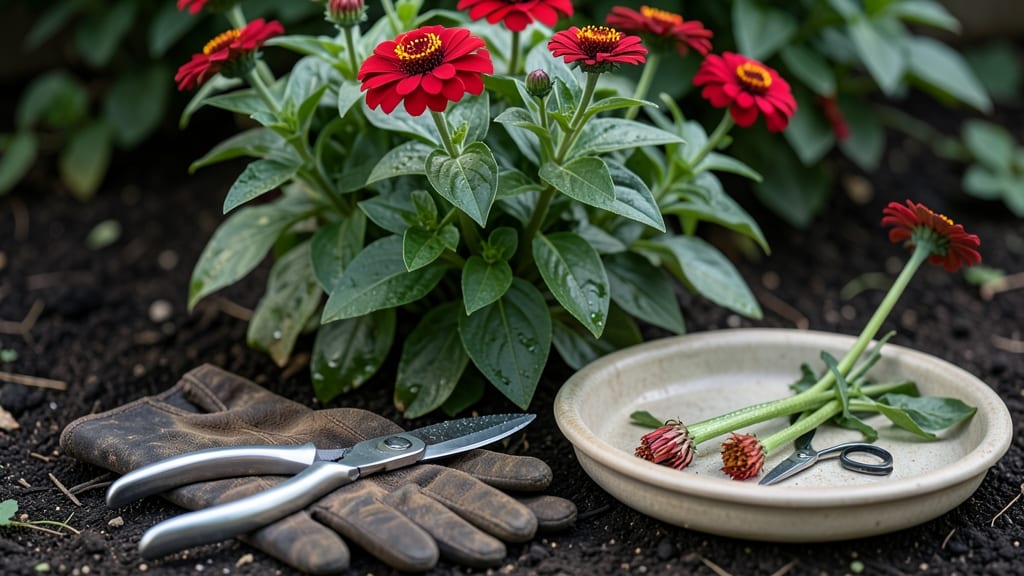
Your leggy zinnias are begging for a haircut. ✂️ The secret to bushy zinnias isn’t mystery—it’s timing, technique, and a little elbow grease. I’ve turned my once-skinny stems into thick, flower-packed bushes by pinching at the right spots and keeping them happy with sunlight and water.
Most gardeners overlook the first pinch—those top sets of leaves where new growth starts. Snip just above a leaf node (about 1/4 inch up), and watch side branches explode. Space plants 12-18 inches apart from the start to avoid crowding, which forces them to stretch.
Too much shade or inconsistent watering turns bushy dreams into tall, lanky nightmares. By midseason, you’ll see dense foliage and nonstop blooms instead of skinny stalks. The key is consistency: prune every 2-3 weeks during growth, deadhead spent flowers, and keep soil moist but not soggy.
No more apologizing for your zinnias—just proud, bushy plants stealing the show. Works for all zinnia varieties, from dwarf to giant. Let’s fix those floppy stems for good!
📚 In This Guide
- What you need
- Instructions
- Tips and common mistakes
- Wrapping up and next steps
What you need
- ● Zinnias: Healthy, established plants (at least 6–12 inches tall) with multiple stems. Pro tip: Choose varieties like ‘Benary’s Giant’ or ‘Profusion’ for bushier growth!
- ○ Pruning shears: Sharp, clean bypass pruners (avoid dull tools—they crush stems!). Optional: Small hand pruners for precision.
- ● Gloves: Gardening gloves (nitrile or leather) to protect your hands from thorns and dirt.
- ● Water: A watering can or hose with a gentle spray nozzle for post-pruning hydration.
- ○ Fertilizer (optional but recommended): Balanced liquid fertilizer (10-10-10 or 20-20-20) or
- ● Slow-release granular fertilizer (like 10-10-10) for a steady nutrient boost.
- ● Plant supports: Small stakes or cages (if your zinnias lean heavily after pruning).
- ● Mulch: Organic mulch (straw or shredded leaves) to retain moisture and suppress weeds.
- ● Disinfectant: Rubbing alcohol (70% or higher) to wipe down pruners between cuts and prevent disease.
- ● Garden journal: A notebook to track pruning dates and plant responses for future reference!
Step-by-Step instructions for pruning zinnias for fullness
Here's the foolproof method I use to turn leggy zinnias into lush, bushy bloomers—no fancy tools needed.
✂️ Step 1: Identify the Right Time to Prune
Wait until zinnias have grown 4-6 inches tall and developed 3-4 sets of true leaves—this ensures they’ve established strong roots. Pruning too early stresses young plants, while waiting too long lets them stretch tall and spindly. Look for new growth at the base as your signal that the plant is ready for shaping.
I always prune in the morning when plants are hydrated and temperatures are cooler. This gives them time to recover before the heat of the day. Avoid pruning after rain or when flowers are already budding—you’ll sacrifice blooms for bushiness.
✂️ Step 2: Pinch Back the Main Stem
Use clean, sharp pruners or your fingers to pinch off the top set of leaves on the main stem, just above a leaf node where new branches naturally form. This is where side shoots will emerge. I like to leave 2-3 leaves below my cut—this ensures the plant has enough energy to regrow.
Don’t cut into the stem itself; a clean pinch above the node prevents disease. You’ll see two new side shoots growing from that spot within 7-10 days. If you only get one, pinch that branch too—zinnias respond well to repeated pinching for fuller growth.
🌿 Step 3: Encourage Side Branches
Once side branches reach 3-4 inches tall, repeat the pinching process on each one. Focus on the topmost leaves to encourage even branching. You’ll know you’re doing it right when the plant starts looking like a miniature bush instead of a single stalk.
Here’s the thing—zinnias are forgiving, but don’t over-prune. If you keep cutting back every new growth, you’ll delay flowering. Aim for 2-3 pinches per season unless your plants are growing wildly leggy. Watch for new buds forming at the base—that’s your cue to stop.
☀️ Step 4: Support Growth with Proper Care
After pruning, zinnias need bright light (6+ hours daily) and consistent moisture to recover. Water at the base (not overhead) to prevent fungal issues, and mulch with 1-2 inches of organic material to retain moisture. You’ll see fresh green growth within a week if conditions are right.
I also add a balanced fertilizer (10-10-10) every 4-6 weeks to support new growth. Avoid heavy nitrogen—it promotes leafy growth over flowers. Instead, look for bloom boosters with higher phosphorus to encourage those vibrant zinnias you love.
⏰ Step 5: Monitor and Maintain Bushiness
Check your zinnias weekly for new growth and deadhead spent blooms immediately. This redirects energy to new flowers instead of seed production. If you notice long, bare stems, it’s time for another light pinch to keep the shape compact.
Real talk: Zinnias grow fast, and one pruning session isn’t enough. Plan for 2-3 rounds throughout the season, especially if your plants are stretching toward the sun. The key is consistency—a little effort now means months of bushy, blooming beauty.
Tips & tricks for pruning zinnias for fullness
These simple tricks will help you transform leggy zinnias into lush, bushy plants with minimal effort.
Timing is Everything: The morning is your best friend for pruning—zinnias are fully hydrated and less stressed after a cool night. I've learned this the hard way after seeing plants wilt when pruned in the afternoon heat. If you must prune later, choose an overcast day to reduce stress on the plant. Look for dew on the leaves as your signal that conditions are ideal.
Pinch Like a Pro: When you're ready to pinch back that main stem in Step 2, focus on clean cuts just above a leaf node. I use my thumb and forefinger for small plants and gardening shears for larger ones. The goal is to leave 2-3 leaves below your pinch—this gives the plant enough foliage to photosynthesize while new branches develop. Watch for those two new side shoots emerging within 7-10 days as your reward for precise pinching.
Light and Water Strategy: After pruning, zinnias need 6+ hours of direct sunlight daily to recover properly. I position mine where they get morning sun and afternoon shade in hot climates. Water consistently at the base—never overhead—to prevent fungal diseases. The 1-2 inches of mulch around the base helps retain moisture and keeps roots cool, which is especially important during the first week after pruning when new growth is most vulnerable.
Fertilizer Wisdom: That 10-10-10 balanced fertilizer every 4-6 weeks makes all the difference. I've found zinnias respond best to bloom boosters with higher phosphorus (the middle number) to encourage flowering rather than leafy growth. Avoid over-fertilizing—zinnias are heavy feeders but can get burned by too much nitrogen. A little goes a long way in producing those vibrant blooms you're after.
Pro Tips for Make Zinnias Bushy
- These simple tricks will help you transform leggy zinnias into lush, bushy plants with minimal effort.
- Timing is Everything: The morning is your best friend for pruning—zinnias are fully hydrated and less stressed after a cool night.
- Pinch Like a Pro: When you're ready to pinch back that main stem in Step 2, focus on clean cuts just above a leaf node.
Frequently asked questions
Got questions about keeping your zinnias lush and full?
Here are answers to the most common ones—so you can grow a bushy, vibrant display without the guesswork!
When is the best time to prune zinnias for bushiness?
Prune zinnias early and often—start when they’re about 6 inches tall, then repeat every 2–3 weeks. Focus on removing the top set of leaves (just above a leaf node) to encourage branching. Avoid heavy pruning late in the season, as it may delay blooms before frost.
How much should I cut back zinnias to make them bushier?
For best results, trim back one-third of the stem at a time, cutting just above a set of leaves (the node). This signals the plant to grow new side shoots. Avoid cutting into woody stems—zinnias are tender and regrow best from soft growth.
Why are my zinnias stretching tall instead of staying bushy?
Overly tall zinnias usually mean too little light, poor pruning, or leggy growth. Move them to a sunnier spot (6+ hours of direct sun), pinch back the tips to encourage branching, and fertilize lightly with a balanced 10-10-10 mix to promote compact growth.
Can I use deadheading to make zinnias bushier?
Yes! Deadheading (removing spent blooms) stimulates more flowers and bushier growth. Snip off faded blooms at the base of the stem, not just the flower head. This redirects energy to new shoots and prevents seed production, which can weaken the plant.
What if my zinnias don’t respond to pruning?
If your zinnias stay leggy despite pruning, check for overcrowding, pests, or disease. Thin out plants to 12–18 inches apart for airflow, inspect leaves for aphids or powdery mildew, and avoid overwatering. Some varieties (like ‘Benary’s Giant’) are naturally bushier—choose the right type for your goals!
Wrapping up and next steps
Growing bushy zinnias is all about timely pruning, proper care, and a little patience—but trust us, the results are worth it!
By pinching back leggy stems, deadheading spent blooms, and ensuring they get the right nutrients and sunlight, you’ll transform those tall, sparse stalks into lush, vibrant bushes bursting with color. 🌸
Now that you’ve got the know-how, grab those shears and get pruning! Watch your zinnias thrive—and don’t forget to share your progress with fellow gardeners. Happy gardening! 🌱