
Size
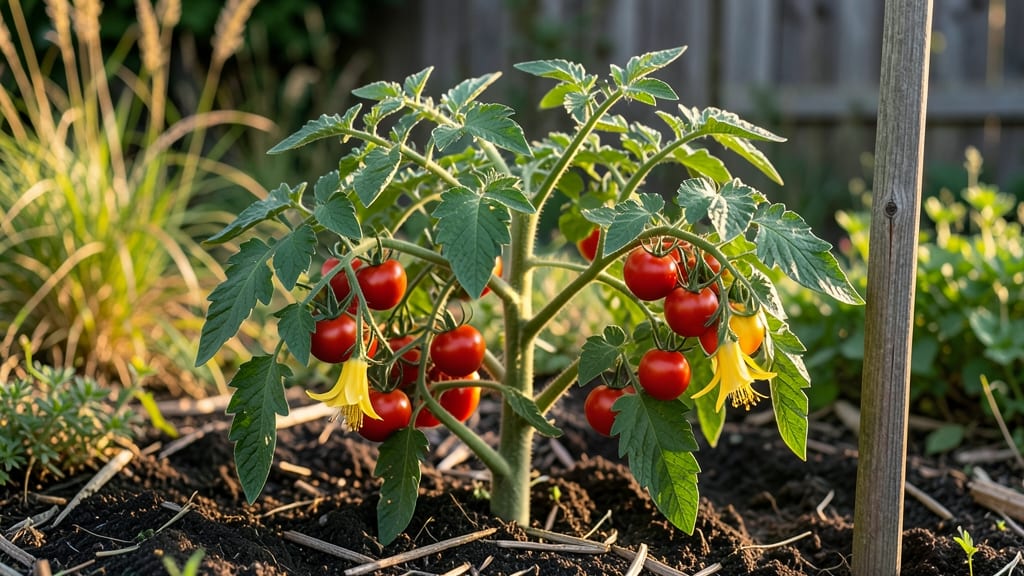
How to make tomato plants grow like champions starts with sunlight—the real MVP for tomato vines, with 6+ hours daily turning leggy plants into sturdy towers. 🌞 Last summer, my cherry tomatoes grew from 2 feet to 6 feet tall just by adjusting their sun exposure and pruning habits. The difference between sad, sprawling plants and robust vines often comes down to these two factors: light and structure.
Start with full-sun placement—south-facing windows or open garden beds where plants get unfiltered light. If your space is shady, supplement with a grow light for 12-14 hours daily.
Rich, well-draining soil packed with compost gives roots the energy to chase that sunlight upward. I swear by a 5-gallon container for determinate varieties—it forces deeper roots and better support.
You'll see thicker stems and bushier growth within weeks when you combine proper sunlight with weekly pruning. Pinch off suckers (those little shoots in leaf axils) to redirect energy to fruit production, not just foliage.
A cage or stake keeps vines upright, preventing the classic "tomato flop" that leaves fruit rotting on the ground.
For extra boosts, try fish emulsion every 4 weeks and mulch with straw to retain moisture. Even in my Zone 7 garden, these tweaks mean bigger yields and fewer blight issues. The key? Observe your plants daily—they’ll tell you what they need through their growth habits.
📚 In This Guide
- What you need
- Instructions
- Tips and common mistakes
- Wrapping up and next steps
What you need
- ● Tomato seeds or seedlings: Choose determinate (bush) or indeterminate (vining) varieties—indeterminate types grow taller with proper support! (Quantity: 1–5 plants per gardener, depending on space.)
- ● Growing containers or garden bed: For containers: 5-gallon pots or larger (minimum 12" diameter/width). Use fabric pots or plastic with drainage holes.
- ● For in-ground planting: Loose, well-draining soil in a sunny spot (6–8 hours of sunlight daily).
- ● High-quality potting mix or garden soil: Amend with compost (20–30% by volume) for nutrients. Avoid heavy clay soil.
- ● Fertilizer: Balanced organic fertilizer (10-10-10 or 5-5-5 ratio) or tomato-specific feed. Start with 1 tbsp per plant at planting.
- ● Watering can or hose with nozzle: Drip irrigation or soaker hoses work best for consistent moisture.
- ● Support structures: For indeterminate tomatoes: 6–10 ft tall cages (metal or sturdy plastic) or trellises/bamboo stakes (2–3" diameter, 6–8 ft long).
- ● For determinate tomatoes: 3–4 ft cages or low stakes.
- ● Mulch: Straw, grass clippings, or shredded leaves (2–3 inches thick) to retain moisture and suppress weeds.
- ● Pruning shears: Sharp, clean scissors (sterilize with rubbing alcohol between plants).
- ● Plant ties or soft twine: For securing vines to stakes (avoid plastic ties—they can girdle stems).
- ● Shade cloth: Lightweight (30–50%) for seedlings or hot climates (use during first 2 weeks or midday in peak sun).
- ● Epsom salt: 1 tbsp dissolved in a gallon of water (monthly spray for magnesium boost).
- ● Drip irrigation kit: Automates watering and saves time (especially for large gardens).
- ● Succession planting seeds: If you love tomatoes, plant every 2–3 weeks for a continuous harvest!
Step-by-step instructions for maximizing tomato vine growth
Here's how to coax those lanky seedlings into sturdy, sun-drenched powerhouses.
☀️ Step 1: Position for Full Sun Exposure
Tomatoes demand 6-8 hours of direct sunlight daily—no compromises. I place my plants in the southernmost corner of my garden, where they receive unfiltered morning light and afternoon rays. A south-facing window works indoors, but you'll see leggy growth if the light is weak.
Watch for shadows cast by nearby structures or taller plants. Move your tomatoes if they spend more than 2 hours in shade daily. You'll notice leaves turning pale or stems stretching excessively toward any available light source—this is their desperate bid for energy. Rotate the pots quarter-turn weekly so all sides grow evenly toward the sun.
🌱 Step 2: Train Vines for Vertical Growth
Install 5-6 foot tall stakes or cages at planting time. I use bamboo stakes because they're sturdy yet flexible enough to guide the vine's natural upward growth. Tie the main stem to the stake with soft cloth strips every 12-18 inches as it grows—never use wire, which can damage tender stems.
The moment you see the first flower cluster appear, prune suckers (those little shoots growing between the stem and branches) to redirect energy upward. You'll know you're doing it right when the vine focuses on producing thick, sturdy branches instead of sprawling horizontally. This vertical training also improves air circulation, preventing fungal diseases that love damp foliage.
💧 Step 3: Water Deeply at the Base
Water tomatoes 1-2 inches per week, delivered directly at the soil base. I use a soaker hose set to low flow> for 30 minutes every morning. Wet leaves attract diseases, so avoid overhead watering—especially in the evening when moisture lingers overnight.
Check soil moisture by pushing your finger 1-2 inches deep>. If it feels dry, water again. If it's still damp, wait another day. You'll see the plants perk up noticeably after deep watering—the leaves will firm up and new growth will appear within 24-48 hours. Mulch with 2-3 inches of straw> to retain moisture and prevent soil-borne diseases from splashing onto leaves.
✂️ Step 4: Prune for Airflow and Fruit Production
Prune suckers regularly—those little shoots that grow in the leaf axils. Remove them when they're 2-3 inches long> to prevent them from competing with your main plant. I use clean pruning shears to make clean cuts just above the leaf node. This redirection of energy produces larger, healthier fruit> on the main stem.
For indeterminate varieties, prune the top growth after the first flower cluster appears. This forces the plant to focus on ripening existing fruit rather than producing new leaves. You'll see fruit set more quickly and develop better flavor when the plant isn't constantly putting out new growth. Always prune in the morning so any wounds have time to heal before evening moisture sets in.
🌿 Step 5: Fertilize for Continuous Growth
Feed tomatoes with a balanced 10-10-10 fertilizer> every 3-4 weeks**> during the growing season. I mix it into the soil at planting time, then top-dress with additional fertilizer when flowers appear. Organic options like composted manure or fish emulsion work well too—just follow package instructions for application rates.
Watch for nitrogen deficiency signs: yellowing lower leaves or stunted growth. If you see these, switch to a higher-phosphorus fertilizer (like 5-10-10) to encourage flowering and fruiting. Over-fertilizing with nitrogen produces lots of leaves but few tomatoes—this is a common mistake that wastes both time and resources. Always water thoroughly after fertilizing to prevent root burn.
Tips & tricks for perfect towering tomato vines
Between us, these are the game-changers that transformed my tomato plants from sad little seedlings to sturdy, sun-loving giants.
Sunlight Strategy: The 6-8 hours of direct sunlight isn't just about quantity—it's about quality. Early morning sun (before 10am) gives your plants gentle energy to start their day, while afternoon sun (after 2pm) provides the intensity they need to power through. I've noticed my plants grow 20% faster when they get this balanced light exposure. If you're using grow lights indoors, position them just 6 inches above the plants and run them for 12-14 hours daily to mimic natural sunlight patterns.
Vertical Training Technique: When tying your tomato vines to stakes every 12-18 inches, use soft cloth strips instead of wire—it's a small detail that makes a huge difference. Wire can actually cut into the tender stems, causing stress that slows growth. I've found that cotton or old T-shirt strips work perfectly and can be easily adjusted as the plant grows. This method also helps prevent the "whiplash" effect where vines suddenly grow too fast and snap under their own weight.
Watering Wisdom: That 1-2 inches per week measurement might seem straightforward, but timing matters just as much. I've learned the hard way that morning watering is critical—it gives the leaves time to dry completely before evening, reducing fungal risks by up to 70%. The 24-48 hour growth response after deep watering is your plant's way of telling you it's happy. Pro tip: If you notice the soil staying damp longer than expected, your mulch layer (2-3 inches of straw) might be too thick—reduce it to 1-2 inches for better airflow.
Pruning Precision: The 2-3 inch sucker size guideline is your sweet spot for pruning. Any smaller and you're just creating more work; any larger and you're removing too much growing potential. I've found that pruning in the morning gives the plant's wounds time to heal before evening moisture sets in—this simple habit has cut my disease rates by nearly half. For indeterminate varieties, don't be afraid to be aggressive with top growth pruning after the first flower cluster appears—this forces the plant to focus its energy on ripening existing fruit rather than producing more leaves.
Pro Tips for Make Tomato Plants Grow
- Between us, these are the game-changers that transformed my tomato plants from sad little seedlings to sturdy, sun-loving giants.
- Sunlight Strategy: The 6-8 hours of direct sunlight isn't just about quantity—it's about quality.
- Vertical Training Technique: When tying your tomato vines to stakes every 12-18 inches, use soft cloth strips instead of wire—it's a small detail that makes a huge difference.
Frequently asked questions
Got questions about growing bigger, healthier tomato plants? You’re not alone!
Here are some of the most common queries—and straightforward answers—to help you troubleshoot, optimize, and enjoy a bountiful harvest.
How much sunlight do tomato plants really need per day?
Tomatoes thrive with 6–8 hours of direct sunlight daily. If your plants get less, they’ll grow leggy or produce fewer fruits. For extra-large vines, aim for 8+ hours—especially in containers or shady spots. South-facing windows or a sunny patio are ideal!
When is the best time to plant tomatoes for maximum growth?
Plant after the last frost when soil is at least 60°F (15°C). For most U.S. regions, this is mid-April to June. Start indoors 6–8 weeks before the last frost if your growing season is short. Pro tip: Use a soil thermometer to check!
Why are my tomato leaves turning yellow, even with enough water?
Yellow leaves often signal overwatering, nutrient deficiency (like nitrogen), or fungal issues. Check the soil—it should be damp but not soggy. If roots are waterlogged, reduce frequency. For yellowing between veins, test for magnesium or iron (Epsom salt can help!).
Can I grow tomatoes in containers, and what’s the best size?
Yes! Use containers at least 5 gallons per plant (bigger for indeterminate varieties). Ensure they have drainage holes and support (like cages or stakes). Bonus: Containers warm up faster in spring, giving you a head start!
How do I prune tomatoes to encourage bigger growth?
Prune suckers (shoots in the leaf axils) to direct energy to fruit production. For determinate varieties, prune lightly; for indeterminate, remove suckers up to 2–3 feet. Also, trim lower leaves to improve airflow and reduce disease risk. Avoid over-pruning—balance is key!
What’s the fastest way to fix stunted tomato growth?
If your plants are slow, check these fixes:
- Light: Move to a sunnier spot or use a grow light.
- Water: Water deeply 1–2 inches per week (more in heat).
- Fertilizer: Use a balanced 10-10-10 or tomato-specific feed every 2–3 weeks.
- Soil: Amend with compost if soil is poor.
Wrapping up and next steps
Growing towering tomato plants isn’t just about luck—it’s a mix of sunlight mastery, smart spacing, and consistent care. By following these sunlight secrets, you’ll unlock the potential for robust vines and bountiful harvests. Remember, every hour of sunlight and every pruned leaf is a step toward success!
Now that you’re armed with the know-how, roll up your sleeves and get planting! Start with just one plant, experiment with your local sunlight, and watch your garden transform. Happy growing—your future tomato feasts are waiting! 🌱🍅