
How To
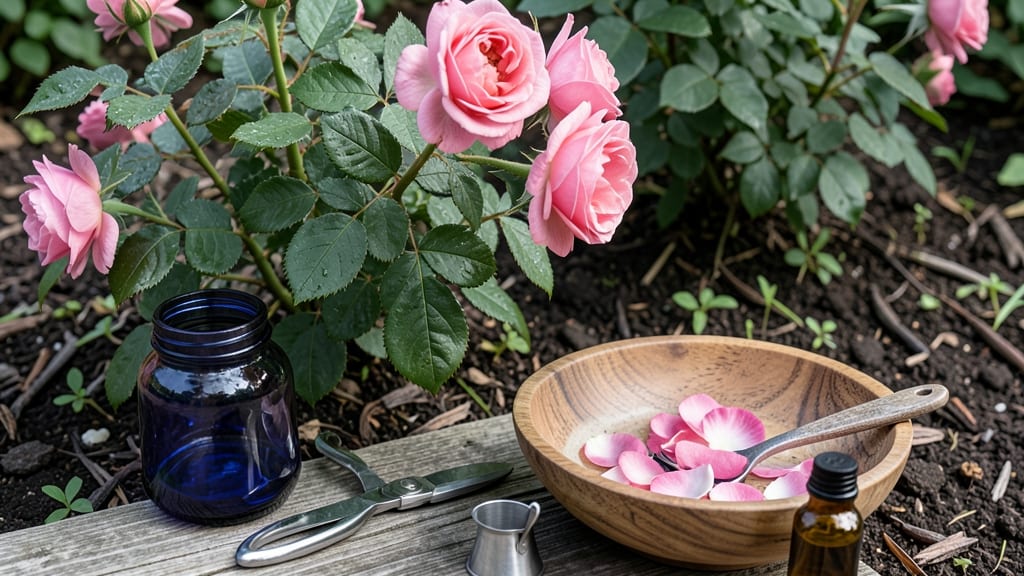
Your garden roses just became a treasure trove. 🌹 Making rose oil transforms those delicate petals into a fragrant luxury you’d normally buy for $50 an ounce—but now you’ll make it yourself, with petals from your own yard.
The process starts with fresh, pesticide-free petals—harvest them early morning after the dew dries, when their oils are most potent. You’ll choose between solvent-free (like maceration) or solvent-based (like hexane extraction) methods, each with different yields and purity levels.
Safety comes first: always work in a well-ventilated area, and wear gloves to avoid skin irritation.
By the end, you’ll have a deeply aromatic oil perfect for perfumes, skincare, or even homemade candles. The best part? Your roses’ quality directly impacts the oil—disease-resistant varieties with strong fragrance yield the richest results. This is where your gardening skills shine.
Whether you’re a beginner or a seasoned gardener, this method scales from small batches to larger infusions. The key is patience—let the petals steep for at least 4 weeks for the full fragrance to develop. Ready to turn your garden into a luxury lab?
📚 In This Guide
- What you need
- Instructions
- Tips and common mistakes
- Wrapping up and next steps
What you need
- ● Fresh rose petals: 1 cup (about 100–120g). Use organic, pesticide-free petals for the purest infusion. Pro tip: 💡 Pick petals in the early morning after dew has dried for maximum potency!
- ● Carrier oil: 1 cup (240ml) of a high-quality, odorless oil like jojoba, sweet almond, or grapeseed oil. Avoid coconut oil—it solidifies at room temperature and can ruin the infusion.
- ● Glass jar: A clean, airtight glass jar with a lid (8–16 oz). Mason jars work perfectly! Pro tip: 🌡️ Sterilize the jar with boiling water to prevent mold or bacteria.
- ● Cheesecloth or fine strainer: For filtering the oil after infusion.
- ● Dark glass bottle: Amber or cobalt blue (4–8 oz) to store your finished rose oil, protecting it from light degradation.
- ○ Mortar and pestle (optional): Lightly crush petals to release more essential oils and speed up infusion.
- ○ Food processor or blender (optional): For quickly blending petals into a fine paste if you’re short on time.
- ● Small funnel: Helps transfer oil into the storage bottle without spills.
- ● Label and marker: To label your jar with the date and contents.
- ○ Essential oil of rose (optional): Add 5–10 drops of pure rose essential oil to enhance fragrance if desired.
Step-by-step instructions for crafting rose oil from petals
Here's how I transform fresh rose petals into a fragrant, skin-nourishing oil—no fancy equipment needed.
🌿 Step 1: Harvest and Prepare the Petals
Collect organic rose petals from pesticide-free roses—about 1 cup for every ½ cup of carrier oil you plan to use. I prefer Damask roses for their rich scent. Gently rinse petals in cool water to remove dirt, then pat dry with a clean towel. Spread them on a baking sheet lined with parchment paper and let them air-dry completely—this prevents mold. A fully dried petal should crumble slightly when touched.
Once dry, remove any stems or debris. The petals should look vibrant but brittle. Store them in a sealed glass jar until ready to infuse. If you're using fresh petals, skip drying and proceed directly to infusion—but fresh petals can spoil faster, so work quickly.
💧 Step 2: Choose and Prepare the Carrier Oil
Select a high-quality, cold-pressed carrier oil like sweet almond, jojoba, or grapeseed oil—these have neutral scents that won’t overpower the roses. For ½ cup of oil, you’ll need 1 cup of petals (fresh or dried). Heat the oil gently in a double boiler or a heat-safe bowl set over simmering water until it reaches 120°F. Never boil the oil—just warm it enough to open the petals’ scent glands.
Pour the warm oil over the dried petals in a clean glass jar. Seal the jar tightly and place it in a cool, dark spot (like a cabinet) for 4-6 weeks. Shake the jar gently every 2-3 days to distribute the oil evenly. This ensures even infusion without breaking the petals. If using fresh petals, reduce the infusion time to 2 weeks but monitor for spoilage.
☀️ Step 3: Strain and Store the Finished Oil
After infusion, strain the oil through a fine-mesh sieve or cheesecloth into a clean glass bottle. Press the petals gently to extract every last drop—this is where the most potent scent hides. Discard the spent petals (or compost them). The oil should now have a deep pink hue and a rich, floral aroma. If the scent is faint, let it infuse longer—sometimes 8 weeks yields a more concentrated result.
Store the oil in a dark glass bottle (amber or cobalt) away from direct sunlight to preserve its fragrance and properties. Keep it refrigerated if you live in a warm climate—heat degrades essential oils over time. Your rose oil is now ready to use in skincare, perfumes, or as a luxurious room spray.
⏰ Step 4: Test and Use Your Rose Oil
Before using, do a patch test on your skin—apply a small amount behind your ear or on your wrist. Wait 24 hours to check for irritation. If your skin reacts well, you’re good to go! Rose oil blends beautifully with vanilla, sandalwood, or lavender oils for custom fragrances. For skincare, mix 2 drops of rose oil with 1 teaspoon of carrier oil and apply to damp skin as a nighttime treatment.
This isn’t just a perfume—it’s a multi-use luxury. Use it to scent homemade lotions, add a drop to bathwater, or even infuse it into sugar for edible rose-flavored treats (ensure your petals are culinary-grade if eating). The key is patience: the longer it infuses, the richer the scent and benefits.
Tips & tricks for crafting rose oil at home
Transforming simple petals into luxurious rose oil is all about patience and precision—here’s how to elevate your process.
Petal Selection: Damask roses yield the most potent scent, but if you’re working with other varieties, aim for at least 1.5 cups of petals per ½ cup of oil to compensate for milder fragrance. Always harvest petals in the morning when their essential oils are most concentrated. I’ve found that slightly wilting petals (not fully dried) actually release more scent during infusion—just make sure they’re completely dry to prevent mold.
Temperature Control: The 120°F target for warming the oil is critical—any hotter risks degrading the delicate rose compounds. Use a kitchen thermometer to monitor the temperature precisely. If you don’t have one, watch for tiny bubbles forming around the edges of your heat-safe bowl (not full boiling). This gentle warmth is what unlocks the petals’ scent glands without cooking the oil.
Infusion Strategy: For the 4-6 week infusion period, consistency matters more than strict timing. I keep a small notebook by my infusion jar to track when I last shook it—this ensures even distribution without overhandling. If you’re short on time, you can speed up the process slightly by placing the jar in a warm (not hot) spot, like near a sunny window for a few hours each day, but never exceed 80°F to avoid spoilage.
Storage Wisdom: Once strained, store your rose oil in a dark glass bottle with the cap tightly sealed. I’ve noticed that refrigeration extends shelf life significantly in warm climates—sometimes up to 12 months—while room-temperature storage keeps it fresh for about 6 months. The oil’s color will deepen over time, indicating increased potency, but if it develops a rancid smell, it’s time to make a fresh batch.
Pro Tips for Make Rose Oil From Rose Petals
- Transforming simple petals into luxurious rose oil is all about patience and precision—here’s how to elevate your pro...
- Petal Selection: Damask roses yield the most potent scent, but if you’re working with other varieties, aim for at lea...
- Temperature Control: The 120°F target for warming the oil is critical—any hotter risks degrading the delicate rose co...
Frequently asked questions
Got questions about crafting your own rose oil? Here are some of the most common ones—and their answers—to help you infuse your kitchen with floral luxury!
Can I use any type of rose petals for rose oil?
While Rosa damascena (Damask roses) are ideal for their high oil content, you can experiment with other fragrant roses like Rosa centifolia (Cabbage roses). Avoid hybrid roses—they’re often bred for color, not scent or oil yield.
How long does it take to extract the oil?
Patience is key! The infusion process typically takes 4–6 weeks for optimal flavor and fragrance. Check weekly—if the oil smells faintly sweet, it’s ready. If it’s still weak, let it steep longer (up to 8 weeks).
What if my oil smells weak or doesn’t infuse well?
Weak infusion often means the petals weren’t fresh enough or the oil wasn’t changed frequently. Try these fixes:
- Use dried, high-quality petals (fresh petals work but oxidize faster).
- Change the carrier oil every 1–2 weeks for stronger flavor.
- Increase the petal-to-oil ratio (e.g., 1 cup petals : ½ cup oil).
- Consider double infusion: strain, re-add petals to fresh oil, and steep again.
Can I skip the carrier oil and use rose petals directly?
No—carrier oils (like jojoba or sweet almond) are essential! They preserve the delicate rose compounds and prevent the oil from going rancid. Without them, you’d end up with a thin, unstable liquid (not true infused oil) that spoils quickly.
What’s the best way to store homemade rose oil?
Store your infused oil in a dark glass bottle (amber or cobalt) in a cool, dark place (like a pantry). Keep it sealed tightly to prevent oxidation. Properly stored, it lasts 6–12 months—though the scent may fade over time.
Is homemade rose oil safe for skin?
Generally yes, but patch-test first! Dilute a few drops in a carrier oil (like jojoba) and apply to a small skin area. Wait 24 hours—if no irritation occurs, you’re good. Avoid if you have rose allergies or sensitive skin.
Wrapping up and next steps
Making your own rose oil from rose petals is a rewarding and luxurious process that connects you to nature’s beauty. With just a few simple steps—fresh petals, a carrier oil, and patience—you’ve created a handcrafted treasure for skincare, aromatherapy, or gifting.
Now that you’ve mastered the art, why not share the love?
💡 Next step: Experiment with homemade rosewater or blend your oil into DIY beauty products like lip balms or body butters. Your garden (or pantry!) just got a whole lot more magical! 🌹✨