
Blooming
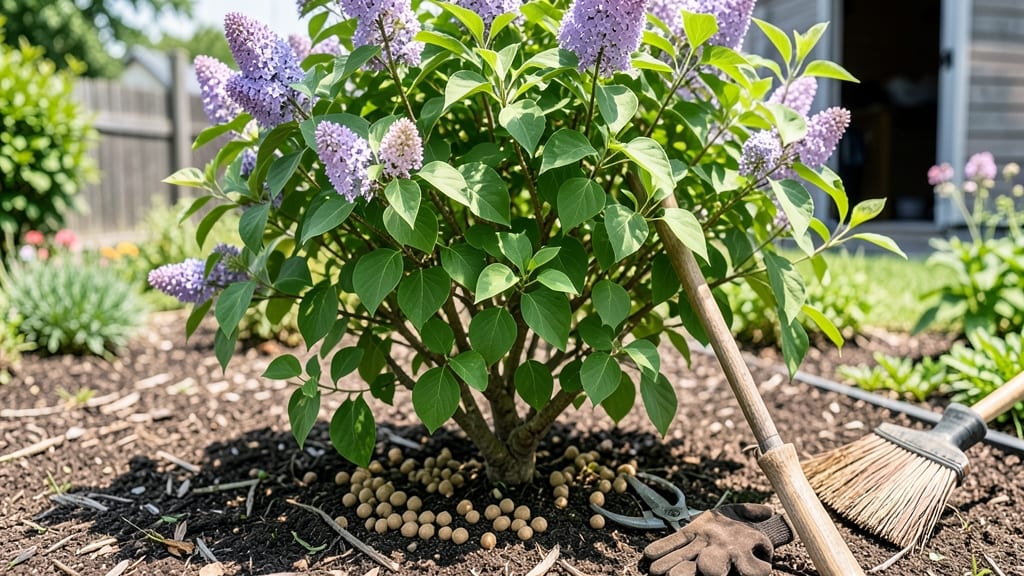
Your lilacs are begging for a second chance—but how to make lilacs bloom like showstopping purple clouds isn’t magic. ✨ It’s timing. Most gardeners prune at the wrong time, and suddenly, you’re left with leafy branches and zero blooms.
But I’ve cracked the code after years of trial (and a few embarrassing seasons of bare stems).
Here’s the game-changer: prune right after flowering, never in late summer or fall. That’s when lilacs store energy for next year’s blooms. Pair that with 6+ hours of sunlight daily, well-draining soil, and a light feeding of 10-10-10 fertilizer in early spring.
Skip the heavy hand—over-fertilizing stresses them out.
Within 2-3 years, you’ll see bushier growth and fragrance that fills your yard like a springtime perfume. The blooms stay longer, the stems thicken, and your neighbors will ask how you did it. (Spoiler: it’s not a secret—just patience and precision.)
Works for both old-fashioned and modern varieties, whether you’ve got a single bush or a whole hedge. Let’s get those buds popping!
📚 In This Guide
- What you need
- Instructions
- Tips and common mistakes
- Wrapping up and next steps
What you need
- ● Pruning shears or loppers – Sharp, clean, and sterilized (rubbing alcohol or bleach wipe works!). Choose bypass pruners (for clean cuts) or loppers (for thicker branches, ⅝"–1" capacity).
- ● Garden gloves – Heavy-duty, cut-resistant gloves to protect your hands from thorns and sap.
- ○ Disinfectant (optional but recommended) – 1 part bleach to 9 parts water (for sterilizing tools between cuts) or a 70% isopropyl alcohol spray.
- ● Compost or mulch – 2–3 inches of organic mulch (shredded bark, straw, or compost) to retain moisture and enrich soil.
- ● Balanced fertilizer – 10-10-10 or 20-20-20 NPK ratio (½ cup per plant, applied in early spring before blooming). OR a slow-release granular fertilizer for steady nourishment.
- ● Watering can or hose with a gentle spray nozzle – Lilacs need 1–1.5 inches of water per week (deep watering 2–3 times weekly).
- ● Hand pruners (for precision) – Great for detailed trimming of smaller stems.
- ● Rake or hoe – To clear debris and aerate soil around the base.
- ● Epsom salt (magnesium sulfate) – 1 tablespoon per gallon of water (spray foliage monthly for extra blooms).
- ● Plant food with blooming boosters – Look for phosphorus-rich fertilizers (e.g., 5-10-10) to encourage flowers.
- ● Pruning sealant (controversial!) – Only use on large cuts (e.g., >1" diameter) to prevent disease. Avoid for small trims—lilacs seal naturally!
Tips & tricks for encouraging lilac blooms
A few strategic moves can transform your leggy lilacs into fragrant, bushy powerhouses. Here's what I've learned after years of trial and error.
Timing is Everything: The late winter to early spring window is critical because lilacs set next year's flower buds on this year's wood. If you prune too early, you risk cutting off those future blooms. I mark my calendar for just before buds swell—this ensures I'm not sacrificing next season's flowers while still promoting healthy growth. Confession: I skipped this step for years and wondered why my lilacs never really recovered.
The Cutting Angle Matters: Always make your cuts at a 45-degree angle, about ¼ inch above a bud or branch. This isn't just about aesthetics—it prevents water from pooling on the cut, which could lead to rot. I use a sharp pruning saw for thicker branches to ensure clean cuts that heal properly. The angle also helps direct water away from the cut, reducing disease risk.
Airflow is Non-Negotiable: When thinning overcrowded branches in Step 2, aim to create an open center that lets sunlight reach all parts of the plant. I visualize light streaming through the middle like sunlight filtering through leaves. This isn't just about looks—proper airflow prevents fungal diseases that can devastate blooms. If your lilac looks like a dense hedge, it's time to thin aggressively.
Fertilizer Timing Strategy: The early spring application of balanced fertilizer (like 10-10-10) is your plant's wake-up call after dormancy. I've found that applying it right after pruning gives the lilac an immediate nutrient boost when it needs it most. The key is to stop fertilizing after mid-summer—this allows the plant to prepare for dormancy rather than pushing late-season growth that might not harden off properly before winter.
Pro Tips for Make Lilacs Bloom
- A few strategic moves can transform your leggy lilacs into fragrant, bushy powerhouses.
- Timing is Everything: The late winter to early spring window is critical because lilacs set next year's flower buds on this year's wood.
- The Cutting Angle Matters: Always make your cuts at a 45-degree angle, about ¼ inch above a bud or branch.
Frequently asked questions
Got questions about coaxing those dreamy lilac blooms? We’ve got answers! Here are some of the most common concerns—and how to tackle them like a pro.
Why aren’t my lilacs blooming at all?
Lilacs often skip blooming due to over-pruning (cutting back too late in the season) or poor sunlight. They need at least 6–8 hours of sun daily and pruning right after flowering (never in fall/winter). If your plant is young (<3 years old), it may still be establishing roots—patience is key!
How long does it take for lilacs to bloom after pruning?
Lilacs typically bloom 1–2 years after major pruning, depending on the variety and growing conditions. Light pruning (shaping) may encourage blooms sooner, but aggressive cuts can delay them. Focus on gradual shaping and proper timing (post-bloom) for the best results.
Can I prune lilacs in the fall or winter?
No!
Pruning lilacs in fall or winter removes next year’s flower buds, which form on old wood in late summer. Always wait until after blooming (late May–June) to prune. If you’ve already cut too late, don’t panic—just avoid pruning until next spring.
What if my lilac blooms but doesn’t smell as strong?
Fragrance fades with overcrowding or poor air circulation. Thin out dense branches to improve airflow, and avoid fertilizing heavily—too much nitrogen boosts leaves over flowers. Varieties like ‘Dwarf Korean’ or ‘Miss Canada’ are famously fragrant; consider replacing older plants with these!
Should I replace my lilac if it stops blooming?
Not necessarily! Lilacs can live for decades with proper care. If blooms are sparse, try rejuvenation pruning (cutting back ⅓ of the oldest stems yearly) or check for pests/disease. If the plant is older than 20 years and woody, it may be time for a replacement—but younger lilacs often bounce back!
Wrapping up and next steps
With the right care, your lilacs can transform into fragrant, vibrant blooms that brighten your garden for years! Remember, pruning in late winter or early spring, ensuring they get full sun and well-draining soil, and providing balanced fertilization are key.
Patience is your ally—consistent effort will reward you with longer-lasting, bushier growth and intoxicating scent.
Now that you’re armed with the know-how, roll up your sleeves and give your lilacs the love they deserve! 🌸 Start by assessing your plants this season, then take action—your fragrant garden awaits. Happy gardening!