
How To
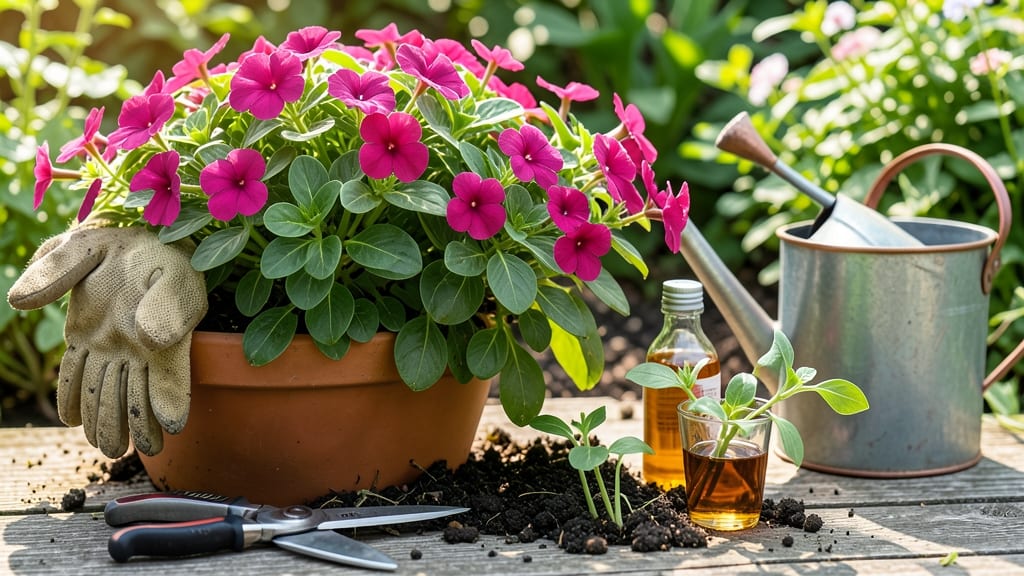
Your impatiens could be twice as bushy by next week. 🌿 The secret starts with pinching back those leggy stems early—before they reach 4-6 inches tall. I’ve turned spindly impatiens into lush, blooming bushes just by following this simple two-step method: prune right and feed consistently.
You’ll need sharp pruners (or clean scissors), a balanced fertilizer (10-10-10 works), and patience—about 4-6 weeks to see dramatic results. The key is timing: pinch stems above leaf nodes, and fertilize every 2-3 weeks during growing season.
Over-pruning? That’s how you stunt growth. Too little light? Your plant will stretch instead of bush out.
By summer’s end, you’ll have a thick, vibrant plant with blooms from top to bottom. The foliage stays dense, the stems strengthen, and you’ll avoid the sad, leggy look that ruins shade gardens. Even my black thumb impatiens thrived after I nailed this routine.
Works for container plants, hanging baskets, or garden beds—just adjust watering for your setup. The best part? You’ll have blooms from early summer until frost, with minimal effort. Let’s get those stems branching!
📚 In This Guide
- What you need
- Instructions
- Tips and common mistakes
- Wrapping up and next steps
What you need
- ● Impatiens plants – Healthy, established plants (1+ per pot or garden spot). Look for varieties like Impatiens walleriana (Busy Lizzie) or Impatiens new guinea.
- ● Pruning shears or sharp scissors – Clean, sterilized tools to avoid disease. (Avoid dull scissors—they crush stems!)
- ● Balanced liquid fertilizer – 10-10-10 or 20-20-20 NPK ratio (e.g., Miracle-Gro All Purpose). 1 tbsp per gallon of water is a great starting ratio.
- ○ Slow-release granular fertilizer – Optional but handy (e.g., Osmocote). 1 cup per 5 sq ft of planting area.
- ● Watering can or hose with a gentle nozzle – Avoid blasting stems; opt for a soft spray to keep foliage dry.
- ○ Gloves (optional but recommended) – Protects hands from thorns (especially on New Guinea impatiens) and dirt.
- ● Rooting hormone – Speeds up propagation if you’re taking cuttings (e.g., Clonex or Dyna-Gro).
- ● Mulch (e.g., pine bark or compost) – Helps retain moisture and regulates soil temp. 2-3 inches around plants.
- ● Epsom salt (magnesium sulfate) – Boosts green growth if leaves look yellow. 1 tbsp per gallon of water, applied every 4-6 weeks.
- ● Plant supports (e.g., cages or stakes) – Useful if your impatiens grow tall or leggy (especially for trailing varieties).
- ● pH test kit – Ensures soil is slightly acidic (6.0–6.5). Impatiens thrive in this range!
Step-by-Step instructions for pinching and feeding impatiens
Here's the simple routine I use to keep impatiens lush and flowering all season.
🌿 Step 1: Identify and Pinch New Growth
Wait until your impatiens have grown to about 6 inches tall with 4-5 sets of leaves. This is the perfect time to pinch—they'll be strong enough to handle the trim but not so mature that you lose too much foliage. Use clean, sharp scissors or your fingers to pinch off the top set of leaves just above where a pair of lower leaves meet the stem.
Real talk: You're not trying to be a hairdresser here. The goal is to encourage branching, not create a perfect shape. I usually pinch 3-4 main stems per plant to start, then watch for new side shoots forming within 2-3 weeks. These new shoots will become your bushy framework.
✂️ Step 2: Repeat Pinching Every 4-6 Weeks
After the first pinch, keep an eye on your plant. When you see new growth reaching 4-5 inches tall again, it's time for another round. This time, you might pinch 2-3 spots on each stem—wherever you see the strongest new shoots developing. The more you pinch, the bushier the plant becomes, but don't go overboard or you'll stunt flowering.
I pinch in the morning so any small cuts have time to heal before evening. If you're late and notice leggy stems (long sections with no leaves), pinch just above the lowest set of leaves to encourage new growth from there. You'll see compact, leafy growth within 10-14 days of each pinch.
💧 Step 3: Feed Weekly During Active Growth
Impatiens are heavy feeders, especially after pinching. Use a balanced, water-soluble fertilizer (like 10-10-10) diluted to half strength every 7-10 days during spring and summer. I mix it directly into my watering can for convenience—just make sure to water thoroughly to distribute the nutrients evenly.
Here's the thing—don't fertilize when the soil is dry. Always water first, then add fertilizer. You'll know it's working when you see dark green, glossy leaves and increased blooming within 2-3 weeks. If you notice yellow leaves, cut back on fertilizer—too much can burn roots.
☀️ Step 4: Maintain Light and Moisture
Impatiens thrive in morning sun to afternoon shade—they'll scorch in full afternoon sun. If you notice leaves turning crispy or white, move the plant to a shadier spot immediately. Keep the soil evenly moist but never soggy. I stick my finger in the soil—if it feels dry 1 inch down, it's time to water.
Deadhead spent blooms regularly to encourage more flowers. Simply pinch off the faded blossom just above the next set of leaves. This might seem like extra work, but it keeps your impatiens looking neat and flowering continuously. You'll see new buds forming within 5-7 days of deadheading.
⏰ Step 5: Adjust Care for Seasonal Changes
As fall approaches, reduce fertilizing to every 3-4 weeks and stop pinching entirely. Your impatiens will naturally slow growth as temperatures drop. If you're growing in a pot, move it to a sheltered spot before the first frost—impatiens are tender perennials and won't survive freezing temperatures.
Overwintering? Bring potted impatiens indoors to a bright window and reduce watering. You'll see minimal growth during winter, but the plant will stay alive for next season. In spring, resume pinching and fertilizing to kickstart new growth. You'll have full, bushy plants ready for summer blooms within 6-8 weeks of starting this routine.
Tips & tricks for perfectly bushy impatiens
These simple tricks will help you transform leggy impatiens into lush, flowering powerhouses with minimal effort.
Timing is Everything: The 6-inch height mark in Step 1 is your golden window—waiting too long means you're pinching mature stems that won't respond as well. I've learned this the hard way after watching plants grow too tall before pinching, resulting in weak side shoots. For container-grown impatiens, this height check happens about 4-5 weeks after planting, depending on your climate and growing conditions.
Pinch with Purpose: When you're pinching those 3-4 main stems in Step 1, focus on where the stem meets the leaf node. This is where new growth will emerge. I always make the cut at a slight angle just above the node to prevent water from pooling and causing rot. For stubborn stems that won't pinch easily, use clean pruning shears instead of your fingers—it gives you more control and cleaner cuts.
Fertilizer Timing Matters: The 7-10 day feeding schedule in Step 3 works best when you fertilize right after watering. I've found that applying fertilizer to dry soil can burn tender impatiens roots. For maximum impact, feed in the morning when plants are actively absorbing nutrients. If you notice new growth slowing after a few weeks, increase to the 7-day schedule—your plants might be hungry for more nutrients during their bushiest growth phases.
Seasonal Adjustments: As you transition to fall care in Step 5, remember that impatiens grown in containers cool down faster than in-ground plants. If your potted impatiens are still showing active growth when others slow down, they might need an extra week or two of regular feeding before tapering off. This is especially true for container plants in sheltered microclimates that stay warmer longer.
Pro Tips for Make Impatiens Bushy
- These simple tricks will help you transform leggy impatiens into lush, flowering powerhouses with minimal effort.
- Timing is Everything: The 6-inch height mark in Step 1 is your golden window—waiting too long means you're pinching m...
- Pinch with Purpose: When you're pinching those 3-4 main stems in Step 1, focus on where the stem meets the leaf node....
Frequently asked questions
Got questions about keeping your impatiens lush and blooming?
You’re not alone! Here are answers to the most common queries from gardeners just like you.
When is the best time to pinch impatiens for bushier growth?
Pinch impatiens in early spring (after the last frost) or when they’re 6–8 inches tall to encourage branching. Avoid pinching in late summer—this can delay fall blooms. Focus on healthy stems with at least 2–3 sets of leaves for best results.
How often should I fertilize impatiens to keep them bushy?
Feed impatiens every 2–4 weeks during the growing season (spring to fall) with a balanced, water-soluble fertilizer (like 10-10-10). For extra bushiness, switch to a higher-phosphorus formula (e.g., 5-10-5) when buds form. Always water before fertilizing to prevent root burn!
Why aren’t my impatiens getting bushier after pinching?
If your impatiens stay leggy, check these fixes:
- Light issues: Impatiens need partial shade (4–6 hours of sun). Too much sun = stress; too little = weak growth.
- Overcrowding: Space plants 10–12 inches apart to reduce competition for nutrients.
- Pests/disease: Yellow leaves or spots? Treat with neem oil or fungicide if needed.
Can I use pruning shears instead of pinching for bushier impatiens?
Yes! Pruning shears work great for larger plants—just cut just above a leaf node (where leaves meet the stem) to encourage branching. Sterilize shears with rubbing alcohol between cuts to prevent disease. For small plants, finger-pinching is gentler and just as effective.
Do impatiens need special care in hot or cold climates?
Impatiens are tender perennials—they thrive in USDA Zones 10–11 but may need winter protection elsewhere. In hot climates, mulch and shade cloth help; in cool areas, treat as annuals and replant yearly. Never let them dry out—consistent moisture is key for bushy growth!
Wrapping up and next steps
Growing lush, bushy impatiens isn’t rocket science—just a little pruning, feeding, and patience! With regular pinching, balanced fertilization, and proper care, your plants will thrive and burst with nonstop blooms all season. 🌸
Now that you’re armed with the know-how, roll up your sleeves and give your impatiens the TLC they deserve. Ready for the next step? Check out our guide on troubleshooting common impatiens issues to keep your garden picture-perfect!