
Planting
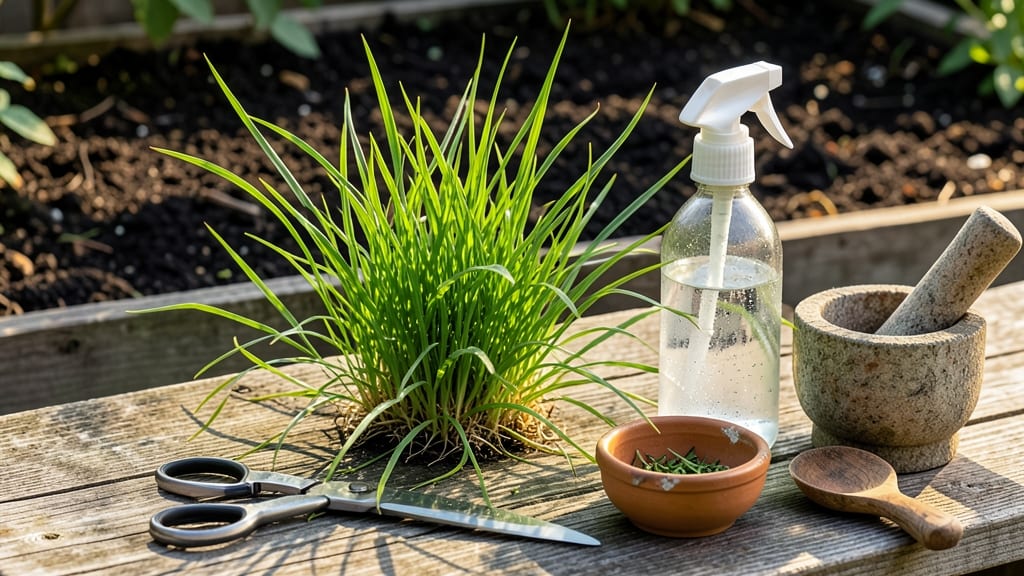
Your backyard can become a mosquito-free zone—no chemicals needed. 🌿 This citronella spray is your secret weapon, made from plants you might already have growing.
I’ve battled swarms with store-bought repellents that smell worse than the bugs, so I turned to nature’s solution: fresh citronella, lemongrass, or geraniums brewed into a potent spray that works in under an hour.
Harvesting is the first step—snip stems from healthy plants (citronella works best, but lemongrass or geraniums add their own zing). Chop them finely, then steep in hot water for 24 hours. The result?
A fragrant, natural concoction that keeps mosquitoes at bay without the harsh fumes. Add a splash of vodka or rubbing alcohol to extend shelf life, and you’ve got a spray that lasts weeks.
What you’ll end up with is a lightly scented, non-greasy mist that transforms patios, picnic blankets, and even clothing into mosquito-free zones. The best part? No more itchy bites or worrying about DEET residue on kids’ skin. Just shake, spray, and enjoy your outdoor space—naturally.
Pro tip: Double the batch and store it in a spray bottle under the sink. Reapply every few hours, especially after rain or sweating. Works like magic for garden parties, camping trips, or just lounging in the yard. Ready to ditch the chemicals?
📚 In This Guide
- What you need
- Instructions
- Tips and common mistakes
- Wrapping up and next steps
What you need
- ● Fresh citronella plant: 1 cup of chopped leaves and stems (or ½ cup of dried leaves—pro tip: 💡 fresh works best for potency!
- ● Distilled water: 2 cups (tap water can introduce bacteria; distilled ensures purity).
- ○ Alcohol (optional but recommended): 1 cup vodka (80-proof) or rubbing alcohol (70% isopropyl)—preserves the spray longer.
- ○ Essential oils (optional for extra repellent power): 10–15 drops citronella essential oil (boosts effectiveness).
- ● 5 drops lemongrass, eucalyptus, or lavender oil (for a layered scent).
- ● Spray bottle: 8–16 oz (glass or BPA-free plastic; pro tip: 🌡️ dark bottles block light and extend shelf life!
- ● Cheesecloth or fine strainer: For filtering plant debris (or a clean coffee filter in a pinch).
- ● Wooden spoon or mortar & pestle: To crush leaves and release oils.
- ● Carrier oil (for skin-safe use): 1 tsp jojoba or coconut oil (dilutes essential oils if applying to skin).
- ● Natural preservative: 1 tsp vitamin E oil (extends shelf life by 1–2 weeks).
- ● Dried herbs: 1 tbsp rosemary or mint (adds a fresh twist to the scent).
Step-by-Step instructions for crafting citronella spray from fresh plants
Here's how I turn fresh citronella plants into a potent, natural spray that keeps mosquitoes at bay.
🌿 Step 1: Harvest and Chop Citronella Stems
Pick healthy citronella stems—look for ones with vibrant green leaves and no brown spots. Cut them into 1-2 inch pieces using sharp scissors. The smaller the pieces, the faster the oils release into your spray. I like to work with about 1 cup of chopped stems for a standard 8-ounce spray bottle.
Place the chopped stems in a clean glass jar. If you have fresh leaves, add those too—they contain even higher concentrations of citronella oil. The more plant material you use, the stronger your spray will be. Just don't overfill the jar, leaving at least 1 inch of space at the top for liquid.
💧 Step 2: Steep in Vodka or Rubbing Alcohol
Pour 1 cup of vodka (80 proof or higher) or rubbing alcohol over the chopped stems. The alcohol acts as a preservative and helps extract the citronella oils. Seal the jar tightly and give it a gentle shake to mix everything together. Here's the thing—you'll want to let this steep for at least 2 weeks in a cool, dark place.
I know it seems like a long wait, but this steeping time is what makes the difference between a weak spray and one that actually works. Check the jar occasionally and give it a shake if the stems settle. After 2 weeks, the liquid should turn a pale green color—this means the citronella oils have infused properly.
✂️ Step 3: Strain and Bottle the Spray
After steeping, strain the liquid through a fine-mesh sieve or cheesecloth into a clean glass spray bottle. Press gently on the plant material to extract every last drop of infused liquid. You should end up with about 4-6 ounces of finished spray, depending on how much plant material you started with.
Add 2-3 drops of essential oil like lemon eucalyptus or lavender if you want to boost the repellent power. These oils complement citronella and make the spray even more effective. Shake the bottle gently before each use to redistribute any settled plant particles.
🪴 Step 4: Use and Store Properly
Lightly mist the spray on your skin, clothing, or outdoor furniture—never spray directly on pets or near food. The spray works best when applied to areas where mosquitoes land, like ankles, wrists, and exposed skin. Reapply every 2-3 hours for maximum effectiveness, especially after sweating or swimming.
Store the spray in a cool, dark place. It should last for about 3-4 months, but the strength will diminish over time. If you notice the spray losing its scent or effectiveness, it's time to make a fresh batch. I like to keep a small bottle in my fridge for longer shelf life.
Tips & tricks for perfect citronella spray from plants
Here's what nobody tells you about making the strongest, most effective homemade mosquito repellent.
Plant Selection: Harvest stems from healthy, mature citronella plants—look for thick, woody stems with vibrant green leaves. The more leaves you include, the higher the citronella oil concentration. I've found that stems with small white flowers contain even more potent oils, so snip those off and add them too. Just avoid any stems with brown spots or wilted leaves—they won't infuse well.
Steeping Strategy: The 2-week steeping time in Step 2 is crucial for maximum oil extraction. I've learned the hard way that rushing this step results in weak spray. Place your jar in a dark cabinet or closet, and shake it gently every few days. After 2 weeks, the liquid should be pale green—if it's still clear, steep an extra 3-4 days. For faster results (though slightly weaker spray), you can steep for 4 weeks instead.
Straining Tip: When straining in Step 3, don't rush the process. Use a fine-mesh sieve or cheesecloth, and press the plant material gently but firmly to extract every last drop. I like to wrap the cheesecloth around a spoon handle for easier pressing. The more liquid you get, the stronger your final spray will be—aim for that 4-6 ounce range mentioned in the instructions.
Storage Wisdom: To extend your spray's shelf life beyond the 3-4 months mentioned, store it in the fridge after opening. The cold temperature slows down oil degradation. I also recommend using a dark glass bottle—light exposure breaks down the active citronella compounds faster. If you notice the spray losing its scent after 2 months, it's time to make a fresh batch rather than using what's left.
Pro Tips for Make Citronella Spray From Plant
- Here's what nobody tells you about making the strongest, most effective homemade mosquito repellent.
- Plant Selection: Harvest stems from healthy, mature citronella plants—look for thick, woody stems with vibrant green ...
- Steeping Strategy: The 2-week steeping time in Step 2 is crucial for maximum oil extraction. I've learned the hard wa...
Frequently asked questions
Got questions about crafting your own citronella spray? You’re not alone! Here are some of the most common queries—and their simple, practical answers—to help you DIY like a pro.
How long does homemade citronella spray last?
With proper storage in a cool, dark place (like a glass spray bottle), your homemade citronella spray should stay effective for about 1–2 weeks. For longer shelf life, add a splash of vodka or rubbing alcohol (1–2 tbsp per cup of spray) to act as a natural preservative. Avoid contamination by keeping the bottle tightly sealed!
Can I use fresh or dried citronella leaves?
Both work, but fresh leaves pack a punch! For maximum potency, use freshly chopped leaves (or stems) since they release more essential oils. If you’re using dried leaves, steep them in hot water for 10–15 minutes before straining to extract the oils. Pro tip: Crush the leaves slightly to boost oil release—think of it like squeezing a lemon for extra zing!
How often should I reapply the spray for best results?
Citronella’s natural oils evaporate over time, so reapply every 2–4 hours for outdoor use, especially after rain or sweating. For indoor spaces (like near windows), a daily spritz keeps mosquitoes at bay. Store-bought sprays often last longer because of added chemicals—your homemade version is all-natural but needs more frequent touch-ups!
What if my spray smells weak or doesn’t repel bugs?
Weak smell or poor performance usually means low oil concentration. Try these fixes:
- Boost the strength: Double the citronella leaves or add a few drops of essential oils (like eucalyptus or lemongrass).
- Strain better: Use a fine-mesh sieve or cheesecloth to remove all plant particles.
- Shake it up: Settled oils can make the spray less effective—give it a good shake before each use.
Are there other plants I can mix with citronella for stronger protection?
Combine citronella with these mosquito-repelling powerhouses for a super-spray:
- Lemongrass: Adds a citrusy kick and enhances repellent properties.
- Basil: Contains citronellol (same compound as citronella) and smells amazing.
- Rosemary or lavender: Double as calming aromatherapy while keeping bugs away.
Wrapping up and next steps
You’ve now got everything you need to craft your own natural citronella spray—a budget-friendly, eco-conscious way to keep mosquitoes at bay! 🌿 With just a few simple ingredients and a little patience, you’ve turned a humble plant into a powerful, chemical-free defense.
Whether you’re prepping for summer gatherings or just want a safer outdoor space, this DIY solution is a game-changer.
Ready to take it further? Experiment with scents! Try adding a few drops of lavender or eucalyptus oil for an extra mosquito-deterring boost. Happy spraying—and enjoy those bug-free evenings! 🌙✨