
Blooming
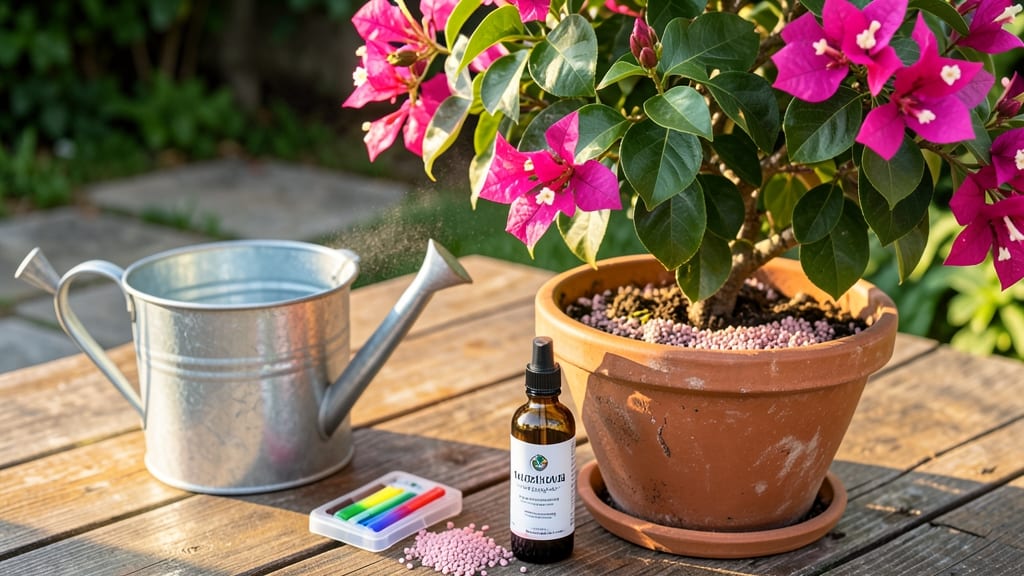
Your bougainvillea’s vibrant blooms are hiding—until now. 🌺 After years of struggling with stubborn potted plants that refused to flower, I cracked the code: sunlight, pruning, and the right fertilizer make all the difference. The key? Treating it like the sun-worshipping powerhouse it is.
Most people overwater or underfeed, but bougainvillea thrives on neglect—just not the kind you’d expect. You’ll need full sun (6+ hours daily), well-draining soil, and a phosphorus-rich fertilizer (like 10-30-20) to encourage blooms. Pruning isn’t optional—it’s how you shape growth and trigger flowering.
By mid-summer, your pots will explode with color, and the blooms will last weeks longer than store-bought flowers. The secret? A sharp pair of shears, a balanced watering schedule, and knowing when to stop fertilizing (yes, really).
Works for small balconies, patio pots, or even hanging baskets—just adjust the pruning style. Let’s get those flowers popping!
📚 In This Guide
- What you need
- Instructions
- Tips and common mistakes
- Wrapping up and next steps
What you need
- ● Bougainvillea plant – Choose a healthy, well-rooted variety (e.g., Bougainvillea spectabilis or Bougainvillea glabra) in a pot (4–6 inches in diameter for young plants, 10+ inches for mature ones).
- ● Well-draining potting mix – 50% cactus/succulent mix + 50% perlite or pumice (avoid heavy garden soil!). Pro tip: Add a handful of orchid bark for extra aeration! 🌡️
- ○ Pot with drainage holes – Terracotta or fabric pots (12–18 inches deep) work best. Optional: Elevate pots with feet to prevent root rot.
- ● Pruning shears or sharp bypass pruners – Sterilize with rubbing alcohol before use to avoid disease.
- ○ Balanced, water-soluble fertilizer – Look for a 10-10-10 or 20-20-20 NPK ratio (e.g., Miracle-Gro). Optional: Slow-release granules for convenience.
- ● Phosphorus-rich bloom booster – A 5-10-10 or 7-9-5 fertilizer (e.g., Fish Emulsion 5-1-1) to encourage flowers. 🌸
- ● Watering can with a rose attachment – For gentle, deep watering (avoid overhead spraying).
- ○ Mulch (optional but helpful) – Gravel or bark chips to retain moisture and regulate soil temp.
- ● Sunlight access – 6+ hours of direct sunlight daily (south- or west-facing spots are ideal). No shade? A grow light works in a pinch! ⚡
- ● Warmth – Bougainvillea thrives in 65–95°F (18–35°C) temps. Avoid drafts or cold snaps.
- ● Patience – Blooms may take 4–8 weeks to appear after pruning/fertilizing.
- ● Regular monitoring – Check soil moisture daily (stick your finger 1–2 inches deep—if dry, water!).
Step-by-Step instructions for encouraging bougainvillea blooms in containers
Here’s how I transform leggy, non-flowering potted bougainvilleas into vibrant blooming machines—no mystery involved.
🌿 Step 1: Prune for Shape and Airflow
Start by removing any dead, diseased, or crossing branches with clean, sharp pruners. I cut back leggy growth by about one-third to encourage bushier, more compact growth—this is where those blooms will appear. Focus on the tips of stems, just above leaf nodes where new growth will emerge.
Don’t over-prune—bougainvilleas bloom on new wood, so you want to leave enough structure for sunlight to penetrate to the center of the plant. If you’re shaping a standard form, step back occasionally to visualize the final shape. Prune in the early spring before new growth begins, or after a major bloom cycle to reset the plant.
☀️ Step 2: Position for Maximum Sunlight
Bougainvilleas need full sun—at least 6-8 hours daily—to produce those vibrant bracts (the colorful parts we call "flowers"). If your plant isn’t blooming, it’s likely due to insufficient light. Move your pot to the sunnest spot on your patio, balcony, or deck, even if it means relocating it from a shaded area.
Watch for signs of light stress: if leaves start turning yellow or the plant stretches toward the light, it’s not getting enough. In cooler climates, a south-facing wall or grow lights (12-14 hours daily) can make the difference. Rotate the pot quarter-turn weekly so the plant grows evenly and doesn’t lean toward the sun.
💧 Step 3: Water Deeply but Sparingly
Overwatering is the #1 killer of blooming bougainvilleas. Let the top 2-3 inches of soil dry out completely between waterings—stick your finger in the soil to check. When you feel dryness, water deeply until it drains from the bottom of the pot. This encourages strong root growth, which supports more blooms.
I use a self-watering pot for mine in summer to prevent soggy soil, but even then, I monitor drainage. Yellowing leaves or wilting despite moist soil? Your pot may lack drainage holes—add them if needed. Bougainvilleas are drought-tolerant once established, so err on the side of underwatering rather than overwatering.
🌱 Step 4: Feed with the Right Fertilizer
Use a balanced, water-soluble fertilizer (like 10-10-10) diluted to half-strength every 2-3 weeks during the growing season (spring through fall). Bougainvilleas respond best to low-nitrogen, high-phosphorus feedings—this promotes blooms over leafy growth. I mix mine with a seaweed extract for extra stress resistance.
Stop fertilizing in late summer to allow the plant to prepare for dormancy. If you notice excessive leaf growth with few blooms, cut back on nitrogen and increase phosphorus. A slow-release granular fertilizer sprinkled into the soil in early spring also works well—just follow package rates for potted plants.
⏰ Step 5: Encourage Dormancy in Cool Months
Even in warm climates, bougainvilleas benefit from a rest period in winter. Reduce watering to once every 2-3 weeks and stop fertilizing entirely. Move the pot to a protected spot (like a garage or under an eave) where temperatures stay above 40°F but don’t exceed 60°F.
Prune lightly in late winter to remove any dead growth, then resume regular care in early spring. This dormancy period resets the plant’s energy, leading to more vibrant blooms the following season. If you live in a frost-free zone, just reduce water and fertilizer slightly—no need for extreme dormancy.
Tips & tricks for encouraging bougainvillea blooms in containers
Here's what nobody tells you about turning your bougainvillea from leafy disappointment into a blooming superstar.
Pruning Precision: In Step 1, when you're cutting back those leggy stems by one-third, focus on making clean cuts at a 45-degree angle just above a leaf node. This prevents water from pooling on the cut and reduces the risk of infection. I've found that using sharp, sterilized pruners makes all the difference—dull blades can crush stems and create entry points for disease. The key is to work during the plant's active growth periods when it can quickly recover from the pruning stress.
Sunlight Strategy: For the critical 6+ hours of sunlight in Step 2, consider using a plant light meter to verify your location actually meets this requirement. I've seen bougainvilleas in "sunny" spots that were actually getting only 4 hours of direct light—just enough to keep them alive but not enough to bloom. If your space is limited, supplement with a grow light for 4-6 hours daily. Morning sun is especially valuable as it helps dry dew quickly, reducing fungal risks.
Watering Wisdom: The once-weekly watering guideline in Step 3 works best when your bougainvillea is in a container with drainage holes. If you're using a decorative pot without drainage, you'll need to adjust to every 10-14 days during summer. I've learned this the hard way—soggy soil is the silent killer of bougainvillea blooms. Always check the soil moisture at the 2-inch depth before watering, and remember that wilting is normal and actually encourages blooming when followed by thorough watering.
Fertilizer Timing: When applying that half-strength 10-10-10 fertilizer every 4-6 weeks in Step 4, I've found that early morning applications work best. The plant has time to absorb nutrients before the heat of the day. For the late summer fertilizer pause, I mark my calendar for the first week of September to ensure I don't accidentally fertilize too late in the season. This timing shift is crucial for setting next year's buds.
Pro Tips for Make Bougainvillea Bloom In Pots
- Here's what nobody tells you about turning your bougainvillea from leafy disappointment into a blooming superstar.
- Pruning Precision: In Step 1, when you're cutting back those leggy stems by one-third, focus on making clean cuts at ...
- Sunlight Strategy: For the critical 6+ hours of sunlight in Step 2, consider using a plant light meter to verify your...
Frequently asked questions
Got questions about keeping your potted bougainvillea blooming like a pro? Here are some of the most common concerns—and their solutions!
Why isn’t my bougainvillea blooming, even after pruning and fertilizing?
Bougainvilleas need stress to bloom—too much water, shade, or fertilizer can prevent flowers. Ensure your plant gets 6+ hours of sunlight daily, well-draining soil, and only balanced fertilizer (10-10-10) every 4-6 weeks in spring/summer. Overwatering is a top culprit!
How long does it take for bougainvillea to bloom after pruning?
With proper care, you’ll see new blooms in 6-8 weeks after pruning. If your plant is healthy but not flowering, it may need more sunlight or a slight "drought stress" (let the top inch of soil dry out between waterings). Patience is key—bougainvilleas reward consistency!
Can I grow bougainvillea in pots indoors year-round?
While possible, bougainvilleas thrive outdoors in warm climates (USDA Zones 9-11). If you must keep it indoors, place it near a south-facing window and supplement with grow lights (12+ hours/day). Expect fewer blooms indoors due to lower light and humidity. A sunny balcony or patio is ideal!
What’s the best watering schedule for potted bougainvillea?
Water when the top 1-2 inches of soil are dry—usually every 2-3 days in summer and every 7-10 days in winter. Overwatering causes root rot, while underwatering can stress the plant. Drainage holes are a must! Use a moisture meter if unsure.
Are there drought-tolerant bougainvillea varieties for pots?
Yes! Try 'Miss Bounce' (compact, great for small pots) or 'San Diego Red' (heat-loving and low-maintenance). All bougainvilleas are drought-tolerant once established, but young plants need consistent moisture. Mulch with gravel or bark to retain moisture and regulate soil temp.
Wrapping up and next steps
With the right mix of sunlight, pruning, feeding, and watering, your potted bougainvillea can burst into vibrant blooms that last all season! Remember, patience and consistency are key—these tropical beauties thrive when you give them the love and care they deserve. 🌸
Now that you’re armed with expert tips, grab your pruners and get growing! Start with one plant, experiment with the techniques, and soon you’ll have a stunning display of color right on your patio or balcony. Happy gardening! 🌿