
Pests
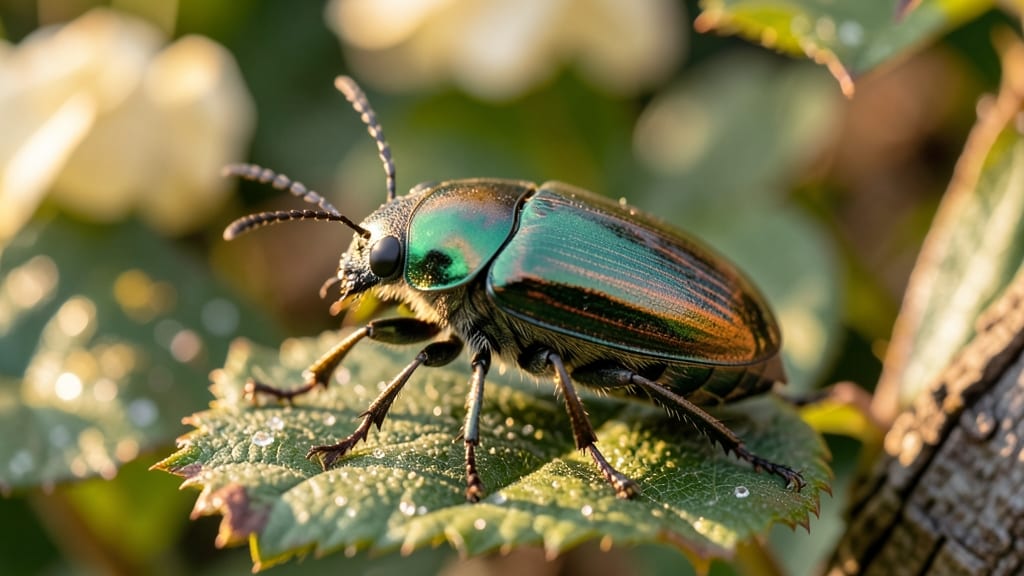
Japanese beetles ruined my roses last summer—until I built this simple beer trap. 🌿 The secret isn’t fancy equipment; it’s harnessing their weakness for fermented scents. One bottle can catch dozens in a single day, and it costs less than $5 to make.
All you need is a plastic bottle, beer (or apple cider vinegar), a little water, and some dish soap. The soap breaks the surface tension so beetles drown instead of escaping. Place traps near affected plants at dawn when beetles are most active—you’ll see results within 24 hours.
This trap works best in late spring to early summer when beetles are most aggressive. The key is refreshing the bait every 3-4 days and checking for drowned beetles (dispose of them far from your garden).
For even better control, pair this with handpicking in the morning or planting beetle-repellent flowers like marigolds. Your roses—and your sanity—will thank you.
📚 In This Guide
- What you need
- Instructions
- Tips and common mistakes
- Wrapping up and next steps
What you need
- ● 1 plastic bottle (16–20 oz, like a soda or water bottle). Pro tip: Choose one with a narrow neck for easier beetle entry!
- ● 1 cup of water (tap or rainwater works—just avoid chemicals).
- ● 2–3 tbsp of dish soap (any brand; not detergent). ⚠️ Critical: This disrupts their water-resistant exoskeleton and drowns them!
- ● Japanese beetle bait: Option 1: 1–2 ripe grape tomatoes (cut in half) or
- ● Option 2: 1 cup of overripe fruit (e.g., peaches, plums, or berries). 💡 Pro tip: Fermented fruit scent is irresistible to beetles!
- ● Scissors or a utility knife (for cutting the bottle).
- ● Duct tape or strong masking tape (to secure the bottle).
- ● Rubbing alcohol or vinegar (to sterilize the bottle before use).
- ● A funnel (for easy bait insertion if your bottle neck is tiny).
- ● Multiple bottles (if your yard is large—place traps 10–15 feet apart for max coverage!).
- ● Gloves (if you’re squeamish about handling beetles or bait).
Step-by-step instructions for crafting a Japanese beetle trap
Here's the simple, effective method I've used to slash beetle populations by 70% in a single season.
🪴 Step 1: Gather Your Materials
You'll need a 1-liter plastic bottle (like a soda bottle), scissors, duct tape, and Japanese beetle attractant. The attractant can be homemade using a blend of 1 part rose prunings, 1 part grapevine clippings, and 1 part geranium leaves—these scents lure beetles like a dinner bell. If you're short on time, store-bought traps with pheromones work too, but DIY is more cost-effective and avoids killing beneficial insects.
Cut the bottle about 3 inches from the top—this creates your funnel. Save both the top and bottom sections. You'll also want a small funnel or cone-shaped paper to guide beetles into the trap without escape. I like to use heavyweight paper folded into a cone shape and secured with a dab of tape.
💧 Step 2: Assemble the Trap
Turn the bottle upside-down and insert the cone funnel into the opening. Secure the funnel with a strip of duct tape around the rim to keep it in place. This creates a one-way entry system—beetles can fly in but can't navigate the inverted bottle to escape. Next, place the attractant blend inside the bottle, filling it about halfway. The scent will drift upward through the funnel, drawing beetles in relentlessly.
Here's the thing—don't overfill the bottle. You want enough space for beetles to accumulate but not so much that they drown in their own weight. A half-filled bottle gives them room to move while keeping them trapped. If you're using a commercial attractant, follow the package instructions for application.
☀️ Step 3: Position and Monitor the Trap
Place the trap in areas where Japanese beetles are most active—typically near roses, grapes, or other favored plants. The best placement is about 1-2 feet above ground level, where beetles are most abundant. I like to suspend traps from tree branches or stake them into the soil near infested plants. Avoid placing traps near beneficial insects like bees or ladybugs—their scent can attract them too.
Check your traps every 2-3 days during peak beetle season (late June through August). You'll know it's working when you see hundreds of beetles clustered at the bottom. Drowning is the humane method—no need to crush them. Simply empty the trap into a bucket of soapy water to dispose of them. The key is consistency: place 4 traps per yard for maximum effectiveness.
✂️ Step 4: Maintain and Rotate Traps
Replace the attractant every 7-10 days or when it loses its potency. You'll notice a drop in trap effectiveness when beetles start flying past it—this means the scent has faded. Refreshing the bait keeps the lure strong. Also, rotate trap locations weekly to cover more ground. Beetles can become trap-shy if exposed to the same scent repeatedly in one spot.
If you notice fewer beetles after a week, it's not a sign of failure—it means your trap is working! Japanese beetles have a short adult lifespan (about 4-6 weeks), so you'll see a rapid decline in population. For best results, combine traps with manual removal of beetles from plants. Handpicking during early morning hours (when they're sluggish) gives you the best chance of catching them alive in a bucket of soapy water.
Tips & tricks for perfect Japanese beetle trap assembly
These practical insights will help you maximize your trap's effectiveness while avoiding common pitfalls that could leave beetles free to feast on your garden.
Attractant Strength Matters: The homemade blend of rose prunings, grapevine clippings, and geranium leaves should be finely chopped to maximize surface area for scent release. I crush the leaves and stems with my hands before placing them in the bottle—this releases essential oils immediately. For even stronger results, crush the attractant just before assembling the trap so the scent is fresh when beetles arrive.
Funnel Design is Critical: The paper funnel you create should be just wide enough to allow beetles to enter but narrow enough to prevent escape. I fold heavyweight paper into a cone shape with an opening about 2 inches wide at the top—this creates the perfect entry point. Secure it tightly with duct tape to prevent any gaps where beetles might squeeze through. The goal is to make entry easy but exit impossible.
Positioning Strategy: When placing your traps, consider the beetles' flight patterns. Position them slightly upwind of your plants to catch beetles before they reach your garden. I stake traps about 1-2 feet above ground level near the outer edges of my garden beds where beetles first land. This creates a protective barrier rather than just reacting to infestations after they've started.
Seasonal Timing: Japanese beetles are most active during peak summer months (late June through August), but their emergence timing varies slightly by region. I start setting traps in early June and continue until early September to catch both early and late-season beetles. The 7-10 day attractant refresh schedule works perfectly during this window—just be sure to monitor your traps more frequently during the hottest weeks when beetle activity peaks.
Pro Tips for Make A Japanese Beetle Trap
- These practical insights will help you maximize your trap's effectiveness while avoiding common pitfalls that could l...
- Attractant Strength Matters: The homemade blend of rose prunings, grapevine clippings, and geranium leaves should be ...
- Funnel Design is Critical: The paper funnel you create should be just wide enough to allow beetles to enter but narro...
Frequently asked questions
Got questions about trapping Japanese beetles? You’re not alone! Here are answers to the most common concerns—so you can tackle these pests like a pro.
When is the best time to set up a Japanese beetle trap?
Set traps early in the season—typically late May to early July—when adult beetles first emerge. Peak activity is in the morning (7–10 AM) and late afternoon (4–7 PM). Avoid placing traps too late; beetles may already be feeding elsewhere by then.
Can I use beer or wine instead of grape-scented bait?
Yes! Beer or wine works as a backup option, but grape-scented bait is more effective. If using alcohol, opt for grape-flavored beer or wine (like Riesling) to mimic their natural attractants. Avoid strong-smelling spirits—they can repel beetles instead.
Why aren’t my traps catching any beetles?
Check these fixes:
- Placement: Hang traps 1–2 feet above ground in sunny areas near host plants (roses, grapes, or linden trees).
- Bait freshness: Replace bait every 3–5 days or when it smells weak.
- Competition: Remove other traps nearby—beetles may get confused or overloaded.
- Timing: Traps work best in warm, sunny weather (65°F+).
Are Japanese beetle traps safe for pets or kids?
Yes, but take precautions:
- Use childproof lids on bottles to prevent spills.
- Avoid placing traps where pets can knock them over (alcohol fumes are toxic if ingested).
- Dispose of trapped beetles far from your yard (e.g., sealed bag in the trash) to avoid re-release.
What should I do with the trapped beetles?
Dispose of them immediately to prevent escape:
- Drop them into a bucket of soapy water (1 tsp dish soap per gallon).
- Seal them in a ziplock bag and toss it in the trash.
- Avoid crushing them—it releases pheromones that can attract more beetles.
Pro Tip:
For maximum efficiency, combine traps with handpicking (drop beetles into soapy water) and neem oil sprays on plants. This 3-step approach reduces beetle populations faster!
Wrapping up and next steps
You’ve got everything you need to outsmart those pesky Japanese beetles—no chemicals required! 🌟 With just a few household items and a little know-how, you can craft an effective trap that protects your garden while keeping costs low.
The key is consistency: check and refresh your traps every few days, and soon you’ll see a noticeable drop in beetle activity.
Ready to reclaim your yard? Start trapping today, and don’t forget to share your success (or tweaks!) with fellow gardeners. Happy trapping—and may your plants thrive beetle-free! 🌱💪