
Pests
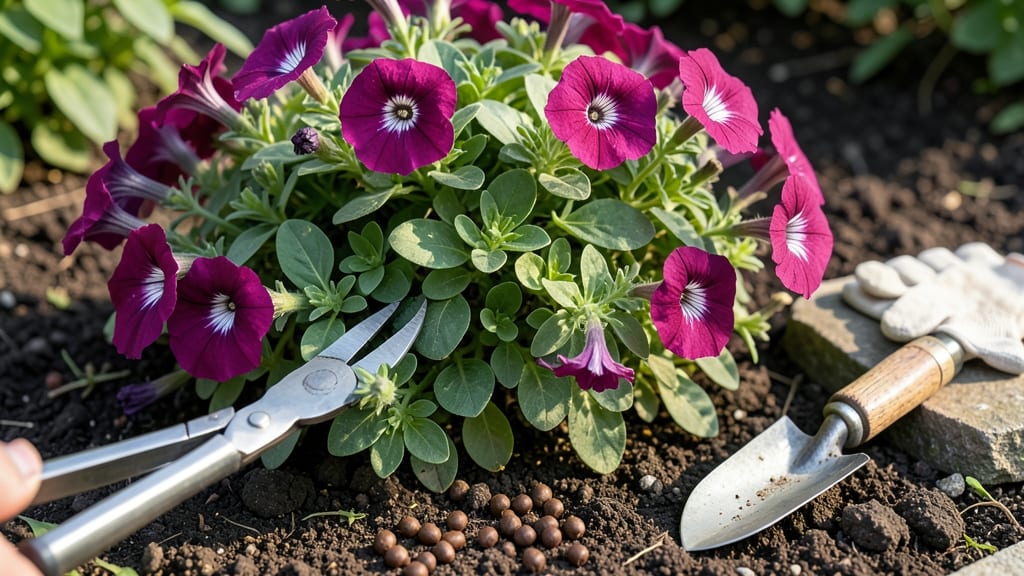
How to keep petunias bushy is easier than you think—straggly stems can transform into lush, full bushes with just a few simple tricks, and you don’t need fancy tools. The secret lies in pruning, light, and feeding at the right times, and it works even for those stubborn stems that refuse to fill out.
Start by pinching back the tips of new growth when plants are young—this forces them to branch out. Deadhead spent blooms regularly to encourage more flowers, and always prune just above a leaf node.
Too little light or overwatering causes leggy growth, so place petunias in full sun and let the soil dry slightly between waterings.
You’ll see dramatic improvement within 2-3 weeks of consistent pruning. Bushy petunias produce more blooms, stay compact, and resist diseases better than their leggy counterparts. The key is staying on top of it—once you get into the rhythm, it takes just 5 minutes a week.
Works for container petunias too—just use the same techniques with a smaller scale. Here’s how to keep them thriving all season long without the guesswork.
📚 In This Guide
- What you need
- Instructions
- Tips and common mistakes
- Wrapping up and next steps
What you need
- ● Sharp pruning shears or scissors – Clean, sterilized, and bypass-pruned (for precision cuts). (1 pair)
- ○ Gloves (optional but recommended) – Nitrile or leather gloves to protect hands from thorns or sap. (1 pair)
- ● Balanced fertilizer (10-10-10 or 20-20-20) – Water-soluble or slow-release granules for post-pruning growth boost. (Small bag, ~1 lb)
- ○ Pruning sealant (optional but helpful) – For large cuts to prevent disease entry (e.g., tree wound paint). (Small bottle)
- ● Watering can or hose with a gentle spray nozzle – For immediate hydration after pruning. (Any size)
- ● Disinfectant (rubbing alcohol or 10% bleach solution) – To sterilize tools between cuts. (Small bottle or spray)
- ● Garden twine or stakes – For supporting leggy stems temporarily if needed. (Small roll)
- ● Mulch (straw, bark, or compost) – To retain moisture and protect roots after pruning. (1-2 bags)
- ● Growth regulator (e.g., paclobutrazol) – For stubborn leggy growth (use sparingly!). (Small container)
- ● Hand lens or magnifying glass – For spotting pests or diseases before they spread. (1)
Step-by-Step instructions for pruning petunias to encourage bushy growth
Here's how I keep my petunias full and vibrant—no leggy stems or sparse blooms in sight.
Identify the Right Time to Prune
Prune petunias in the morning when temperatures are cooler and humidity is lower. This gives plants time to recover before evening heat stress. Look for stems that are growing too long or have finished blooming—these are your first targets. I usually start pruning when plants reach about 6 inches tall and continue every 2-3 weeks during the growing season.
Never prune after a hard frost or when plants are under stress from drought or pests. Healthy plants respond best to pruning. You'll know it's time when you see new buds forming at the base of stems—this is when the plant is ready to redirect energy into bushier growth.
Use Clean, Sharp Pruners for Precision Cuts
Use clean, sharp pruning shears or scissors to make cuts just above a set of leaves or a leaf node. This encourages new growth from that point. I always sterilize my tools with rubbing alcohol before and after pruning to prevent disease spread. Cut at a 45-degree angle about ¼ inch above the leaf node to prevent water from pooling and rotting the stem.
Remove only the leggy stems or spent blooms—never cut more than ⅓ of the plant's total foliage at once. This keeps the plant strong enough to recover quickly. If you see yellowing leaves, prune those off first as they're not contributing to the plant's health.
Pinch Back New Growth for Bushier Foliage
When new growth appears after your first pruning, pinch back the tips of the stems to encourage branching. Use your fingers to gently squeeze off the top ½ inch of growth. This might seem counterintuitive, but it triggers the plant to produce multiple side shoots instead of one long stem.
Focus on the 4-6 strongest stems first, then work your way to the outer edges of the plant. You'll notice new buds forming within 7-10 days—this is your signal that the pruning is working. Avoid pinching back flowers unless they're at the very tips of leggy stems.
Fertilize After Pruning for Strong Recovery
Apply a balanced, water-soluble fertilizer (like 10-10-10) at half-strength 24 hours after pruning. This gives the plant the nutrients it needs to recover and produce new growth. I always water the soil thoroughly before fertilizing to prevent root burn. Follow up with a light watering after applying the fertilizer to help it absorb evenly.
Petunias are heavy feeders, so I fertilize every 2 weeks during the growing season. Look for dark green leaves and abundant new growth as signs that your plant is thriving. If leaves start curling or turning yellow, you may be over-fertilizing—rinse the soil with water to flush out excess salts.
Monitor Light and Water for Best Results
After pruning, move plants to a location with 6-8 hours of direct sunlight daily. Petunias need plenty of light to recover and produce new blooms. If your plants start looking leggy again, they're not getting enough light—consider supplementing with a grow light if needed.
Water at the base of the plant in the morning to keep soil evenly moist but not soggy. Avoid wetting the leaves to prevent fungal diseases. You'll know your watering is right when the top 1-2 inches of soil feel dry to the touch but the roots stay hydrated. Mulch around the base with 1-2 inches of organic mulch to retain moisture and regulate soil temperature.
Tips & tricks for encouraging bushy petunias
A few strategic cuts can transform leggy petunias into lush, vibrant plants that bloom all season. Here's how to get the best results from your pruning efforts.
Timing is Everything: The 3-4 week wait before pruning in Step 1 is crucial—this gives roots time to establish and store energy. I've seen petunias recover beautifully after a single pinch, but if you prune too early, you might accidentally remove the plant's growth center. Look for stems that feel sturdy when you gently squeeze them; that's your cue they're ready.
Precision Pinching Pays Off: When you pinch back those top 2-3 inches in Step 2, aim for clean cuts just above a leaf node. I use my fingernails for small plants and bypass pruners for larger ones. The key is to make the cut at a 45-degree angle—this prevents water from pooling on the stem and causing rot. You'll notice new side shoots appearing within 7-10 days, but be patient if your climate is cooler; growth may take a few extra days.
Deadheading Discipline: That every 2-3 days schedule in Step 3 might seem frequent, but it makes all the difference. I set a reminder on my phone during peak bloom season to stay consistent. When removing spent blooms, cut just below the wilting flower and the first set of leaves—this encourages the plant to produce more flowers from the base rather than just the tips. The buds forming at the base of spent flowers are your next batch of blooms, so don't trim them off by accident.
Seasonal Shape Maintenance: For trailing varieties, I recommend a midseason trim back of about one-third the plant's height. This works especially well in warm climates where petunias continue growing actively. The plant will look a bit sparse for a few days after this dramatic cut, but you'll see new growth and a second flush of blooms within 2-3 weeks. It's like giving your petunias a fresh start!
Pro Tips for Keep Petunias Bushy
- A few strategic cuts can transform leggy petunias into lush, vibrant plants that bloom all season. Here's how to get ...
- Timing is Everything: The 3-4 week wait before pruning in Step 1 is crucial—this gives roots time to establish and st...
- Precision Pinching Pays Off: When you pinch back those top 2-3 inches in Step 2, aim for clean cuts just above a leaf...
Frequently asked questions
Got questions about keeping your petunias lush and bushy? You’re not alone! Here are some of the most common queries—plus quick, actionable answers to help your flowers thrive.
Why are my petunias growing tall and leggy instead of bushy?
Leggy stems usually mean your petunias aren’t getting enough light or nutrients. Move them to a sunnier spot (at least 6–8 hours of sunlight daily) and feed them with a balanced fertilizer every 2–3 weeks. Pinching back the tips of leggy stems can also encourage bushier growth!
How often should I prune petunias for bushiness?
Prune your petunias regularly—about every 2–4 weeks during the growing season (spring to fall). Light trims after flowering (removing spent blooms) and pinching back leggy stems keeps them compact. Avoid heavy pruning in late summer, as new growth may not harden off before frost.
Can I use the cuttings from pruning to grow new petunias?
Take 3–4 inch cuttings from healthy stems, remove the lower leaves, and dip them in rooting hormone. Plant them in moist potting mix and keep them in bright, indirect light. Roots should form in 2–4 weeks—a great way to multiply your petunias for free!
What should I do if pests (like aphids or spider mites) attack my petunias after pruning?
Pruning can stress plants, making them more vulnerable to pests. If you spot aphids or mites, blast them off with a strong spray of water or use neem oil (mix 1 tsp per quart of water). For severe infestations, insecticidal soap works too. Prevention tip: Keep your garden clean and avoid over-fertilizing with nitrogen, which attracts pests.
Can I prune petunias in fall to prepare them for winter?
Yes! In late fall, cut back your petunias to about 2–3 inches above the soil. This helps redirect energy to root growth and makes cleanup easier. If you’re in a mild winter zone (USDA zones 8–10), you might even get a second flush of blooms in spring from the remaining stems!
Wrapping up and next steps
Keeping your petunias lush and bushy is all about consistent pruning, proper care, and a little patience! 🌿 By pinching back leggy stems, fertilizing regularly, and ensuring they get the right light and water, you’ll reward yourself with vibrant, full blooms all season long.
Don’t let a few setbacks discourage you—every gardener learns as they go, and your petunias will thank you for the effort!
Now that you’re armed with the know-how, grab those shears and get pruning! 🌸 Start small, observe what works, and soon your petunias will be the envy of the neighborhood. Happy gardening!