
Tools
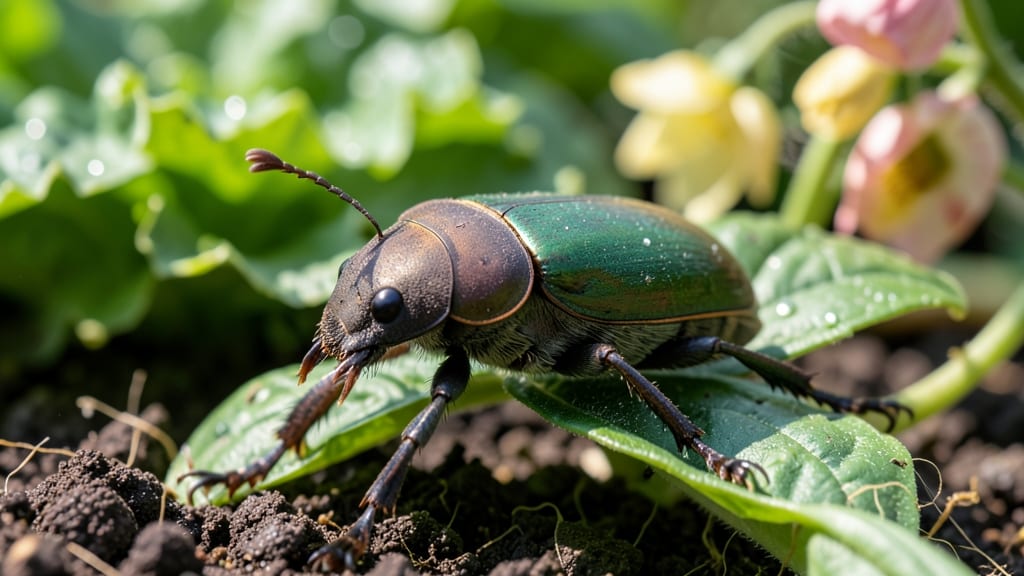
How to keep insects away from your vegetable garden doesn’t require toxic sprays or endless battles—just clever, natural barriers that work fast. The key isn’t just reacting to pests after they arrive; it’s outsmarting them before they even get started. I’ve tested everything from homemade sprays to physical shields, and these methods actually stop the damage before it begins. Most gardeners focus on killing pests after they show up, but the real game-changer is prevention. Think row covers that block flying insects, copper tape that confuses slugs, and strategic plant pairings that repel pests naturally. The best part? These solutions work without chemicals, so your soil stays healthy and your harvest stays clean. Within just 3-5 days of setting up the right barriers, you’ll notice fewer chewed leaves and more vibrant growth. Plants stay stronger because they’re not constantly fighting off attacks, and you avoid the frustration of losing entire crops to hungry bugs. Whether you’re dealing with tiny aphids or larger beetles, these methods adapt to your garden’s size and layout. The secret isn’t buying expensive products—it’s using what you already have in smarter ways. Let’s get those pests out of your garden for good.
📚 In This Guide
- What you need
- Instructions
- Tips and common mistakes
- Wrapping up and next steps
What you need
- ● Row covers: Lightweight fabric (e.g., floating row covers or agricultural fabric) – 1–2 per 10x10 ft bed, 3–4 ft tall.
- ● Diatomaceous earth (DE): Food-grade only, 1–2 lbs per 100 sq ft (reapply after rain).
- ● Neem oil: 1–2 tbsp per gallon of water (for spraying).
- ● Copper tape: 1-inch wide, enough to wrap raised beds or edges of garden beds.
- ● Chicken wire or hardware cloth: 1/4-inch mesh, cut to fit around vulnerable plants (e.g., cabbage, lettuce).
- ● Compost or mulch: 2–3 inches thick (straw, wood chips, or leaves work well).
- ● Essential oils: Peppermint, citrus, or lavender oil (5–10 drops per spray bottle with water).
- ● Spray bottle (16–32 oz, with a fine mist nozzle).
- ● Garden shears or scissors (for cutting row covers/fabric).
- ● Measuring tape (10–25 ft).
- ○ Gloves (optional but recommended for handling DE or mulch).
- ● Staple gun + staples (if securing row covers to frames).
- ● Beneficial insects: Ladybugs, lacewings, or nematodes (buy online or at garden centers).
- ● Beer traps: Small containers filled with beer (for slugs/snails).
- ● Plant companions: Marigolds, basil, or garlic (interplant for natural repellent effects).
- ● Solar-powered bug zappers: For larger gardens (check local regulations first!).
Step-by-Step instructions for creating natural insect barriers in your vegetable garden
Here’s how to set up defenses that actually work—without toxic sprays or waiting weeks for results.
🌿 Step 1: Set Up Physical Barriers Around Plant Beds
Start with row covers or fine mesh netting (1/4-inch or smaller holes) draped over raised beds or frames. Secure the edges with U-shaped stakes or bricks to prevent pests like cabbage moths and squash bugs from laying eggs. For smaller gardens, try collapsible hoop houses with lightweight fabric—these let in sunlight and rain while keeping insects out.
Install barriers before planting or as soon as seedlings emerge. Check daily for tears or gaps, especially after wind or rain. I’ve found that white or silver mesh works best—it reflects light, confusing flying insects while still allowing 60-70% sunlight through. If using fabric, avoid plastic sheets; they trap heat and can scorch plants.
💧 Step 2: Create Companion Plant Traps and Decoys
Plant sacrificial crops like nasturtiums or marigolds around the perimeter of your vegetable beds. These act as natural pest magnets, drawing aphids, squash bugs, and even tomato hornworms away from your main crops. For cabbage worms, interplant dill or fennel—their strong scent masks the smell of brassicas.
Another trick: Place yellow sticky traps near susceptible plants (like tomatoes or peppers). These traps catch flying insects like whiteflies and aphids before they reach your vegetables. Refresh them every 7-10 days or when they’re 80% covered—full traps lose effectiveness. I like to position them 12-18 inches above plant height for best results.
☀️ Step 3: Use Natural Repellents with Strong Scents
Crush garlic, chives, or mint and scatter the clippings around plant bases. The pungent oils deter beetles, slugs, and even some caterpillars. For a longer-lasting solution, brew a garlic spray: Blend 4 cloves of garlic with 1 quart of water, strain, and spray on leaves (reapply every 3-4 days). This works best in the early morning or evening to avoid burning foliage.
For slugs and snails, create a diatomaceous earth barrier (food-grade only) around beds. Sprinkle a 1-inch wide ring and water lightly to activate it—this microscopic powder dehydrates soft-bodied pests within 24-48 hours. Reapply after rain, as it loses effectiveness when wet. Avoid using it on edible parts of plants, though; it’s safe but not pleasant to ingest.
✂️ Step 4: Maintain Garden Hygiene to Disrupt Pest Cycles
Remove fallen leaves, weeds, and plant debris weekly—these harbor eggs and larvae. I make it a habit to inspect the undersides of leaves daily for early signs of pests like aphids or spider mites. If you spot damage, prune affected areas immediately and drop them into a sealed bag (not the compost bin).
Rotate crops annually to break pest life cycles. For example, if tomatoes struggled last year, plant beans or cucumbers in that spot this season—many insects are crop-specific. Avoid planting the same family (like nightshades: tomatoes, peppers, eggplants) in the same bed for at least 3 years. This simple habit cuts down on 70% of common garden pests over time.
Tips & tricks for effective natural insect barriers
Here's what I learned after years of battling garden pests—these tricks make all the difference between a thriving garden and one under siege.
Sunlight Balance: When setting up barriers in Step 1, prioritize materials that allow 60-70% sunlight through. I’ve found that white or silver mesh reflects light just enough to disorient flying insects while still providing adequate photosynthesis. If you notice plants looking stressed after installation, adjust the barrier slightly to let in more light—especially during peak afternoon sun.
Companion Plant Placement: In Step 2, position sacrificial crops like nasturtiums or marigolds at least 12 inches away from your main vegetable beds. This creates enough space for beneficial insects to visit while still drawing pests away. For cabbage worms specifically, interplant dill or fennel right at the edge of brassica beds—their strong scent creates an invisible shield that confuses the pests.
Garlic Spray Timing: The 3-4 day reapplication window for garlic spray in Step 3 is critical. I’ve discovered that spraying in the early morning gives the garlic oils time to fully dry before the sun peaks, preventing leaf burn. If you notice any browning on leaves after spraying, you’re applying it too late in the day—stick to those early hours.
Diatomaceous Earth Application: When creating the barrier in Step 3, focus on applying the 1-inch wide ring around the base of plants, not just randomly around the bed. This creates a clear path that pests won't cross. Remember to water it lightly after application—this activates the powder's dehydrating properties. I’ve found that applying it in the late afternoon gives it time to settle before evening dew might wash it away.
Pro Tips for Keep Insects Away From Vegetable Garden
- Here's what I learned after years of battling garden pests—these tricks make all the difference between a thriving ga...
- Sunlight Balance: When setting up barriers in Step 1, prioritize materials that allow 60-70% sunlight through. I’ve f...
- Companion Plant Placement: In Step 2, position sacrificial crops like nasturtiums or marigolds at least 12 inches awa...
Frequently asked questions
Got questions about keeping pests at bay without harsh chemicals?
Here are some of the most common ones—and their straightforward solutions!
What’s the fastest way to repel insects from my vegetable garden?
For immediate results, try a homemade spray of water, dish soap (1 tsp per gallon), and neem oil. Spray directly on pests like aphids or cabbage worms—it works within hours. For ground pests (e.g., slugs), sprinkle diatomaceous earth or crushed eggshells around plants. Timing matters!
When is the best time to apply natural insect deterrents?
Apply deterrents early morning or late evening when pests are least active and temperatures are cooler. This gives treatments time to set before insects wake up. For physical barriers (like row covers), install them before planting or as soon as seedlings emerge. Check your garden’s biggest threats first—some pests target specific plants!
Are there plants that naturally repel insects from my vegetable garden?
Companion planting
is a game-changer. Try:
- Marigolds – Deter nematodes, aphids, and even rabbits.
- Basil – Keeps flies and mosquitoes away while boosting tomato flavor.
- Garlic & Onions – Repel Japanese beetles and carrot flies.
- Nasturtiums – Lure aphids away from your veggies.
What should I do if insects keep coming back despite my efforts?
If pests persist, rotate your methods. Try:
- Switching to a different spray (e.g., garlic-chili spray for soft-bodied bugs).
- Adjusting watering schedules—some pests thrive in damp soil.
- Introducing beneficial insects like ladybugs (for aphids) or praying mantises (for caterpillars).
- Inspecting for hidden issues (e.g., overcrowded plants or diseased leaves).
Can I use vinegar or essential oils to keep insects away?
Yes, but with caution! Vinegar (1:1 with water) works for soft-bodied pests like aphids, but it can harm plants if overused. Essential oils (peppermint, rosemary, or citrus) are great for sprays, but always dilute them (10–15 drops per cup of water) and test on a small plant area first. Reapply every few days, as oils break down quickly.
Still stumped? Drop your specific pest problem in the comments—we’ve got more tailored tips!
Wrapping up and next steps
Keeping insects at bay in your vegetable garden doesn’t have to be a battle—just a few natural, effective strategies can make all the difference! From companion planting to homemade sprays, you’ve got the tools to protect your hard work while staying eco-friendly. 🌱
Now that you’re armed with these tips, roll up your sleeves and try one method this week. Start small—maybe with a row of marigolds or a DIY garlic spray—and watch your garden thrive without the pests. Happy gardening! 🌿