
Tools
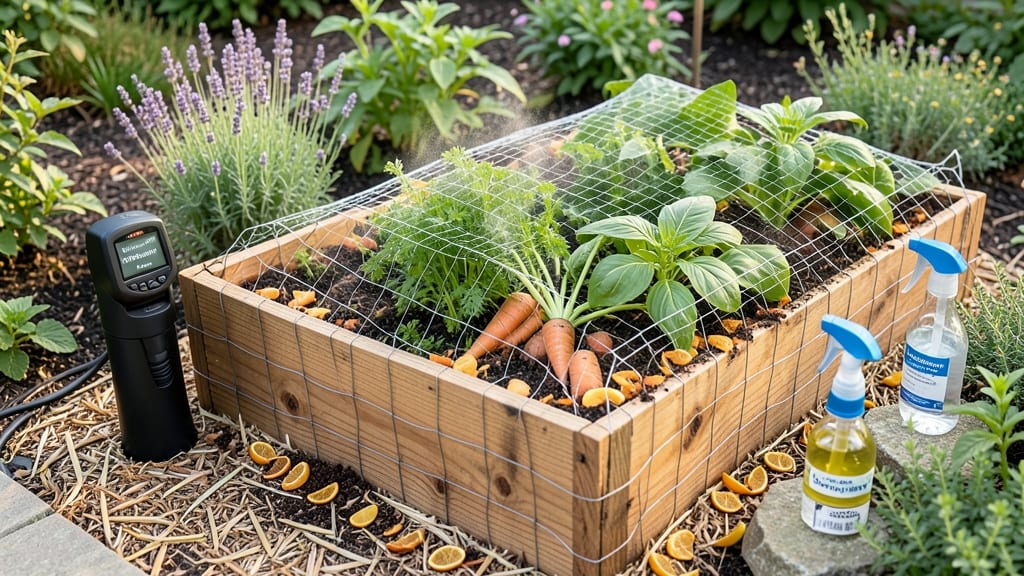
How to keep cats out of your veggie garden without harming them or your plants? The moment I spotted those telltale claw marks on my basil, I knew I needed a solution that worked fast—without harming my feline "neighbors" or my plants.
The key is combining physical barriers with scent deterrents that cats instinctively avoid. A simple spray mix of water, citrus peels, and cayenne pepper creates a natural repellent that works within 24 hours—no harsh chemicals needed. The cats stay away, but your garden thrives.
You'll end up with a garden that stays intact while keeping your cats safe and curious. The best part? This method is humane, organic, and won't damage your soil or plants over time.
Works for any garden size, from small containers to full raised beds. Here's how to set it up without the guesswork—so you can enjoy your harvest without the claw marks.
📚 In This Guide
- What you need
- Instructions
- Tips and common mistakes
- Wrapping up and next steps
What you need
- ● Citrus peels or slices: 1–2 cups (fresh or dried) – Cats hate the scent! 🍋
- ● Coffee grounds: 1–2 cups (used, from your brew) – Sprinkle lightly around the garden perimeter.
- ● Pruning shears or scissors: For trimming plants or cutting materials.
- ● Spray bottle (8–16 oz): For DIY repellent mixes.
- ● Watering can or hose: To dilute or apply solutions.
- ● Plastic or metal plant stakes (6–12 inches tall): 4–6 stakes for marking boundaries.
- ● Commercial cat repellent spray: 1 bottle (e.g., Nature’s Miracle or Bitter Apple—non-toxic but unpleasant for cats).
- ● Chili peppers or cayenne powder: 1–2 tbsp (mix with water for a spray—safe for plants, not cats!). 🌶️
- ● Motion-activated sprinkler: 1 unit (e.g., Orbit Enforcer) – Scares cats with water bursts.
- ● Chicken wire or hardware cloth: 1–2 ft tall (bury edges to block digging).
- ● Essential oils (cat-safe only!): 5–10 drops (e.g., lavender or lemongrass—dilute in water). ⚠️ Never use oils like citrus or eucalyptus directly on cats!
- ● Wind chimes or pinwheels: 1–2 units – Creates noise to deter curious kitties.
Step-by-Step instructions for creating humane cat deterrents in your veggie garden
Here’s how to protect your plants without harming curious kitties—using simple, effective methods that work fast.
Identify High-Traffic Cat Zones
Spend 10 minutes observing where cats frequent your garden. Look for disturbed soil, flattened plants, or claw marks on fences. These spots need the most protection. I always focus on pathways cats use to enter—often along property edges or near sheds. Mark these areas with small flags or chalk dots so you remember where to apply deterrents.
Cats are creatures of habit, so if you see one sniffing your basil at dusk, that’s your clue to reinforce barriers there. Avoid spraying randomly—targeted application means less waste and better results. Watch for fresh scratches on plants or fence posts; these are clear signs cats are marking territory.
Apply Commercial Cat Repellent Sprays
Use a humane, pet-safe cat repellent spray (like those with citrus or vinegar bases) on fences, plant stems, and garden edges. Spray in a light, even mist—soaked plants may wilt or attract pests. Focus on 3-4 inch bands around the garden perimeter, where cats typically approach. Reapply every 3-5 days or after rain, as the scent fades quickly.
I like to spray in the early morning when cats are most active. The scent lingers best in cooler temperatures, and cats avoid areas that smell unfamiliar. Avoid spraying edible parts of plants directly—focus on stems, leaves, and borders instead. If you see a cat sniffing but not entering, the deterrent is working.
Install Physical Barriers
Create a low fence or chicken wire barrier (at least 12 inches tall) around raised beds or vulnerable plants. Cats can’t jump high, but they’ll climb if given the chance. Bury the wire 6 inches deep to prevent digging underneath. For smaller gardens, use plastic plant guards or flexible mesh draped over stakes—cats dislike the texture and will avoid it.
If you have a compost pile or mulch, cover it with a metal tray or hardware cloth—cats dig there to bury waste. I’ve seen cats completely demolish a garden in a night just to use the soil as a litter box. A simple wire mesh barrier solves this instantly. Check barriers weekly for gaps or damage from weather.
Use Natural Deterrents Like Citrus or Coffee Grounds
Cats hate the smell of citrus peels, coffee grounds, or crushed eggshells. Scatter these around garden edges or mix them into the soil near problem areas. Refresh every 2-3 days, as the scent dissipates. I keep a small bucket of used coffee grounds in my shed—it’s free, effective, and doubles as fertilizer for acid-loving plants like tomatoes.
Place orange or lemon peels near entry points, or bury them slightly in the soil. The strong scent confuses cats and makes them avoid the area. For extra protection, sprinkle crushed eggshells—the sharp edges deter digging. If a cat still approaches, move the deterrents slightly each time to keep them guessing.
Add Motion-Activated Deterrents
Set up motion-activated sprinklers (like ScareCrow) on stakes around the garden. The sudden burst of water startles cats without harming them. Place them 18-24 inches from the garden edge, so cats get sprayed before they reach your plants. These work best in open areas where cats can’t hide—avoid dense foliage where water might damage plants.
Test the sprinklers first to ensure they cover the right zone. A light mist is enough to deter—strong jets can damage young seedlings. If you hear a cat hissing but don’t see it, the sprinkler is doing its job. For smaller gardens, aluminum pie pans or wind chimes near entry points create noise that scares cats away.
Tips & tricks for effective cat deterrents in your garden
Real talk: The key to keeping cats out of your veggie garden lies in consistency and strategic placement. Here's how to maximize the methods you're already using.
Observation is Everything: Those 10 minutes of observation in Step 1 are your foundation. I've found that cats have favorite entry points—often the same ones every time. Mark these spots with small flags or chalk dots and focus all your deterrents there. Cats are creatures of habit, so reinforcing these high-traffic zones with multiple deterrents (spray + barrier + natural repellents) creates a multi-layered defense they'll avoid. Think of it like a security system for your garden.
Layer Your Deterrents: The most effective gardens use a combination of methods from different steps. For example, apply your commercial repellent spray in Step 2 to the chicken wire barrier from Step 3, then scatter coffee grounds from Step 4 at the base. This creates an unpleasant experience that makes cats think twice about approaching. I've seen cats completely avoid areas where I've layered a motion sprinkler with citrus peels—they get sprayed AND smell something unpleasant.
Timing Matters for Natural Repellents: The 2-3 day refresh rate for natural deterrents in Step 4 is crucial. I've learned this the hard way—when I skipped refreshing my coffee grounds for a week, the cats came right back. Keep a small container of fresh citrus peels or coffee grounds handy in your shed or garage. The fresh scent is what keeps cats away, not just the presence of the materials. Morning is the best time to refresh—cats are most active then and will notice the change immediately.
Check Your Barriers Weekly: This is the step most people skip, but it's critical. I've seen cats find tiny gaps in chicken wire or climb over low fences when they weren't properly secured. Run your hand along barriers to check for loose sections, and make sure all edges are buried or weighted down. A cat can squeeze through surprisingly small openings if motivated enough—especially if they're using your garden as a litter box.
Pro Tips for Keep Cats Out Of Veggie Garden
- Real talk: The key to keeping cats out of your veggie garden lies in consistency and strategic placement.
- Observation is Everything: Those 10 minutes of observation in Step 1 are your foundation.
- Layer Your Deterrents: The most effective gardens use a combination of methods from different steps.
Frequently asked questions
Will humane sprays harm my cats or plants?
No—humane sprays are non-toxic and designed to deter cats without harming them. Look for ingredients like citronella, vinegar, or essential oils (diluted properly). Always test a small patch on plants first to ensure no damage. Cats dislike the smell but won’t be injured!
How long until sprays start working?
Most sprays take effect within 24–48 hours of application, but consistency is key. Reapply after rain or every few days for best results. Start with a fresh spray before planting season to train cats away early.
Can I use these sprays on edible plants?
Yes, but only food-safe sprays! Avoid synthetic chemicals—opt for vinegar, citrus peels, or commercial organic repellents labeled for edibles. Rinse produce before eating to remove residue, and avoid spraying flowers if you want pollinators.
What if my cat keeps coming back?
Persistence is normal! Try layering methods: combine sprays with physical barriers (chicken wire) or motion-activated sprinklers. Add cat-safe deterrents like mulch (cats dislike the texture) or plant cat-repellent herbs (e.g., lavender, rue) nearby.
Are there non-spray alternatives?
Try:
- Physical barriers: Raised beds or tall fencing (cats can’t climb smooth surfaces).
- Ultrasonic devices: High-frequency sounds (inaudible to humans) that deter cats.
- Natural repellents: Coffee grounds, cayenne pepper, or pruned rosemary around the garden.
- Distractions: A dedicated cat sandbox or catnip-filled area away from the garden.
Wrapping up and next steps
Keeping your feline friends out of the veggie garden doesn’t have to mean stress—just a little creativity and the right humane tools! 🐾 From citrus sprays, there’s a solution that works fast and keeps both your plants and your cats happy.
The key is consistency: test a few methods, observe what your cat avoids, and adjust as needed.
Now that you’re armed with these effective, cruelty-free strategies, why not take it a step further? Try planting cat-friendly herbs like catnip or catmint nearby to distract them—or even turn your garden into a shared space with raised beds and cozy cat tunnels.
Your garden (and your cat) will thank you!