
Pests
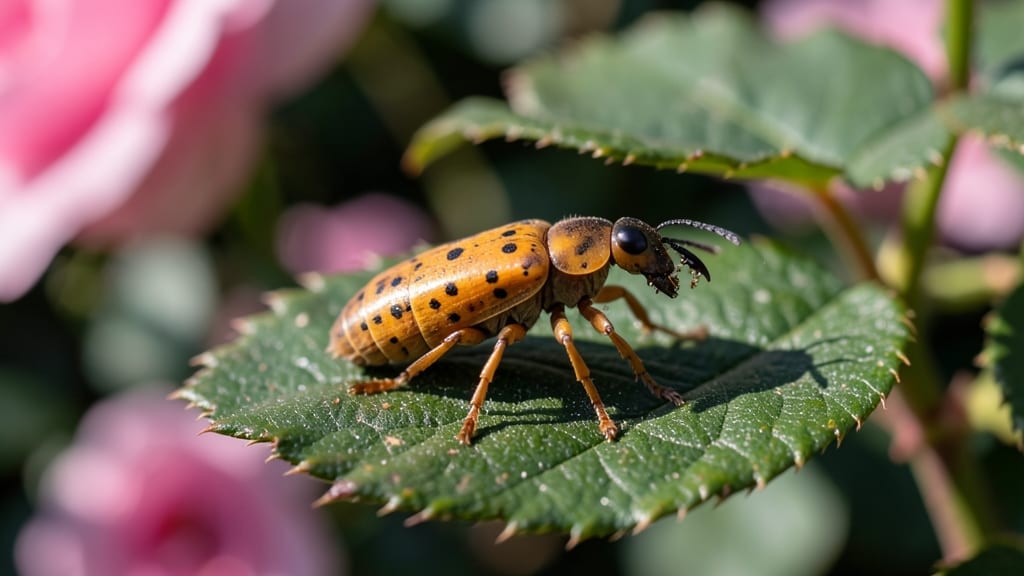
How to keep aphids off roses without turning your bushes into sticky, curled messes—it’s easier than you think. 🌿 I’ve battled these sap-suckers for years, and this homemade spray finally gave me the upper hand without harsh chemicals. The key? A mix that works fast, smells better than store-bought sprays, and actually keeps them away for good.
Most gardeners reach for pesticides first, but that kills beneficial insects too. My solution? A blend of soapy water, garlic, and cayenne pepper—aphids hate the scent and the taste. You’ll see them drop off within 24 hours, and the spray lasts for weeks if you reapply after rain.
No fancy equipment needed—just a spray bottle and 10 minutes of prep time.
What you’ll end up with is roses that stay vibrant green, not yellowed and sticky. The leaves stay smooth, the buds open fully, and you’ll even notice more ladybugs and lacewings moving in—nature’s pest control.
The spray’s strong enough to deter new aphids but gentle enough for your garden’s ecosystem.
Works in any climate, from humid summers to dry springs, and you can make a batch in under 5 minutes. No more wilting roses or sticky leaves—just healthy plants that thrive without the chemical aftertaste. Let’s get those aphids off for good.
The Hidden Triggers Inviting Aphids
Aphids may seem like tiny, harmless pests, but they’re actually highly opportunistic insects drawn to roses by a mix of environmental cues, plant vulnerabilities, and even human habits. Understanding why these sap-sucking invaders target your roses is the first step to outsmarting them.
Below, we break down the science-backed reasons—from chemical signals to ecological imbalances—that turn your prized roses into an all-you-can-eat buffet for aphids.
Aphids are like fast-food critics—they zero in on roses that are already stressed, nutrient-deficient, or struggling to fight back. When roses are underwatered, overwatered, or malnourished, their natural defenses (like sticky resin or bitter-tasting sap) weaken, making them prime targets. Here’s how it plays out:
- Nitrogen Overload: Roses starved for phosphorus or potassium but overfed with nitrogen produce tender, sugary new growth—aphid catnip. Too much nitrogen = softer stems = easier piercing for aphids’ mouthparts.
- Drought Stress: Water-deprived roses can’t produce enough defensive compounds. Aphids detect volatile organic compounds (VOCs) emitted by stressed plants, signaling "help, I’m vulnerable!"
- Root Damage: Compacted soil or root-bound roses struggle to absorb nutrients, weakening their immune response. Aphids exploit this by colonizing in clusters where defenses are lowest.
Pro Tip: 💡 Test your soil’s pH (ideal: 6.0–6.5 for roses). Aphids thrive when soil is too alkaline (pH >7.0), as it reduces the plant’s ability to produce defensive tannins.
Ever notice ants herding aphids like cattle? That’s no coincidence—ants farm aphids for their honeydew (a sugary waste product). Here’s how this symbiotic relationship works:
| Ants Do This | Result for Aphids |
|---|---|
| Protect aphids from predators (like ladybugs) | ➡️ Aphid populations explode without natural checks |
| Milk aphids for honeydew (their "crop") | ➡️ Aphids stay put, overpopulating roses |
| Prune rose leaves to reduce aphid "waste" | ➡️ Aphids cluster in high-value areas (new shoots, buds) |
Pro Tip: 🔥 Disrupt the ant-aphid bond by applying sticky barriers (like petroleum jelly on rose stems) or diatomaceous earth near ant trails. Ants avoid these like the plague—and so do aphids.
Aphids are generalist pests, meaning they’ll infest any plant if given the chance. When roses are planted too closely together—or surrounded by other aphid-loving plants—they create a "green highway" for infestations to spread. Here’s the breakdown:
- Poor Air Circulation: Dense foliage traps humidity, creating a microclimate aphids adore. High moisture = slower predator movement (like lacewings or hoverfly larvae), giving aphids a head start.
- Polyculture Pitfalls: Planting roses next to aphid magnets like:
- Dandelions (aphids’ favorite host)
- Fruit trees (especially peaches and apples)
- Weeds like clover or plantain
- Mulch Overload: Thick organic mulch (like wood chips) can smother beneficial nematodes and fungi that prey on aphid eggs, giving the pests a year-round shelter.
Pro Tip: ✨ Space roses 2–3 feet apart and interplant with aphid-repelling companions like:
- Garlic or chives (release allicin, toxic to aphids)
- Marigolds (emit limonene, disrupts aphid feeding)
- Yarrow (attracts parasitic wasps that hunt aphids)
Aphids are cold-blooded, meaning they’re most active when temperatures hover between 50–80°F (10–27°C) and humidity is high. Here’s how your garden’s climate might be unwittingly inviting them:
- Greenhouse Effect: Dark-colored mulch or dense canopies trap heat, creating warm pockets where aphids reproduce 3–4x faster than in cooler areas.
- Nighttime Dew: Overnight moisture keeps aphids hydrated and active longer, delaying the arrival of their natural predators (which are often sluggish in damp conditions).
- Sudden Temperature Shifts: Aphids thrive in unstable climates. For example, a cool spring followed by a hot snap can trick roses into flushing new growth—aphids’ favorite snack.
Pro Tip: 🌡️ Monitor your garden’s microclimate:
- Use reflective mulch (like silver plastic) to reduce heat absorption.
- Prune roses to improve airflow during humid months.
- Avoid overhead watering at dusk—it extends aphid activity time.
Now that you know why aphids are crashing your rose party, the next step is flipping the script with targeted, science-backed fixes. Stay tuned!
Practical Fixes for Aphid-Free Roses
Now that you understand why aphids invade your roses, let’s tackle the real solutions—proven, easy-to-follow methods to kick them off for good. Below, we’ve mapped common causes to targeted fixes, plus prevention tips to keep your roses thriving long-term.
Aphids love weak, overcrowded roses because they’re easier to feed on. Fix it fast with these steps:
- 🌿 Prune aggressively: Trim back overgrown stems (especially in spring) to improve airflow. Aim for open, airy bushes—aphids hate dry conditions. - 💧 Water deeply (but less often): Soak the roots once a week (early morning) to encourage strong growth.
Wet foliage? Avoid overhead watering—it spreads aphids! - 🌱 Fertilize right: Use a balanced, organic fertilizer (like fish emulsion or compost tea) to strengthen plants. Avoid nitrogen-heavy fertilizers—they attract aphids by making roses too tender.
💡 Pro Tip: Mulch with wood chips or straw to retain moisture and deter aphids naturally.
Roses with compromised defenses need immediate reinforcement. Try these DIY sprays (test on a small leaf first!):
| Spray | Recipe | How to Use |
|---|---|---|
| Soap & Water | 1 tbsp mild castile soap + 1 quart water + 1 tsp horticultural oil | Spray directly on aphids (avoid hot sun—can burn leaves). Reapply every 3–5 days. |
| Neem Oil Mix | 1 tbsp neem oil + 1 tsp dish soap + 1 quart water | Shake well and spray undersides of leaves (aphids hide there!). Works in 24 hours. |
| Garlic Pepper Spray | 2 cloves crushed garlic + 1 tsp cayenne pepper + 1 quart water | Steep overnight, strain, and spray. Repel + kill aphids with a double punch! |
⚠️ Warning: Always spot-test sprays on a few leaves first—some roses are sensitive!
If aphids are actively munching, act fast with physical removal and lures:
- 💦 Blast them off: Hold plants under a strong hose spray (5–10 psi) to dislodge aphids. Do this early morning for best results. - 🕷️ Introduce predators: Ladybugs, lacewings, and parasitic wasps love aphids.
Buy them online or attract them with dill or fennel plants nearby. - 🪲 Yellow sticky traps: Hang yellow cards (coated in petroleum jelly) near roses—aphids are drawn to the color and get stuck!
🎯 Quick Fix: For severe infestations, mix 1 part rubbing alcohol + 3 parts water in a spray bottle and dab directly on aphid clusters (test first!).
Aphids thrive in hot, dry climates. Flip the script with these tweaks:
- 🌿 Shade cloth: Use 30–50% shade cloth during peak sun (10 AM–4 PM) to lower leaf temps.
- 💦 Mist lightly: Lightly mist roses late afternoon to raise humidity—aphids prefer dry air.
- 🌱 Choose resistant varieties: Opt for aphid-resistant rose varieties like ‘Knock Out’ or ‘Dr. Huey’ for long-term peace.
The best defense? Stop them before they start. Follow this year-round plan:
- 🌱 Plant companions: Surround roses with garlic, chives, or marigolds—their scents repel aphids.
- 🍂 Clean up debris: Remove fallen leaves and spent blooms in autumn (aphids hide in them!).
- 🌿 Inspect new plants: Quarantine new roses for 2 weeks before planting to check for hitchhiking pests.
- 🕊️ Encourage birds: Install a bird feeder—robins and chickadees devour aphids!
- 🌿 Rotate sprays: Alternate between soap, neem, and garlic sprays weekly to prevent resistance.
✨ Final Thought: Aphids are annoying but beatable—combine pruning, sprays, and prevention for roses that stay aphid-free all season. Try one method this week and watch your roses rebound!
Frequently asked questions
How often should I reapply homemade aphid sprays?
Reapply every 5-7 days or after heavy rain to maintain effectiveness. The garlic-pepper spray works best when fresh, so make a new batch weekly. For neem oil sprays, reapplication every 3-5 days prevents aphids from building resistance.
Will these sprays harm my roses or beneficial insects?
When used correctly, these sprays are rose-safe if spot-tested first. The soap and oil mixtures target only aphids, while garlic and cayenne are selective—they repel pests without killing pollinators. Always apply in early morning when bees are less active, and avoid overspraying flowers.
What if ants keep bringing more aphids back?
Break the ant-aphid cycle by creating physical barriers. Wrap rose stems with petroleum jelly or apply diatomaceous earth around the base. For severe cases, use borax bait stations (mix 1 part borax with 3 parts sugar and water) placed where ants travel.
Can I use these sprays on roses with buds about to open?
Yes, but with caution. Avoid spraying directly on buds—focus on leaves and stems where aphids cluster. The garlic-pepper spray is safest for blooms, while neem oil should be applied at least 24 hours before buds open to prevent potential stunting. Always test a small area first.
How do I know if my aphid problem is severe enough for stronger measures?
Check for yellowing leaves, curled new growth, or sticky residue (aphid honeydew). If you see ants actively tending aphids or aphids covering more than 25% of stems, escalate to physical removal (hose spray) or introduce ladybugs. Severe cases may need rubbing alcohol spot treatment on worst clusters.