
How To
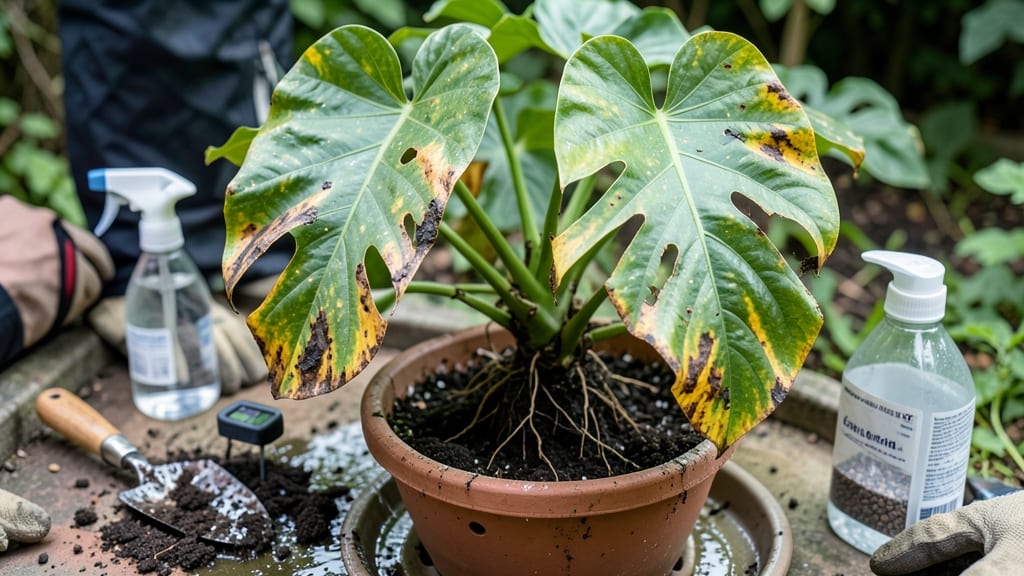
Your plant’s drooping leaves and yellowing stems aren’t a death sentence—just a cry for help. 🌱 I’ve nursed back more overwatered plants than I can count, and the key is acting fast before root rot takes over.
The first step is stopping all water immediately, then carefully assessing the damage to decide whether to save the pot or repot entirely.
You’ll need a few simple supplies: a clean pot with drainage holes, fresh potting mix designed for your plant type, and a sharp knife or pruners for trimming.
The goal is to give roots fresh air and space to recover—think of it like giving them a deep breath after being smothered. Most plants bounce back within 2-4 weeks if you catch the problem early.
What you’ll end up with is a plant that’s not just surviving, but thriving again—new growth emerging within days, leaves regaining their vibrant color, and roots that can finally breathe properly.
The best part? You’ll spot the warning signs faster next time, and your green thumb will feel even more confident.
This works for everything from houseplants to container gardens—just adjust the pot size and soil mix to match what your plant actually needs. The secret is patience and paying attention to what your plants are telling you before it’s too late. Here’s how to bring them back to life.
📚 In This Guide
- What you need
- Instructions
- Tips and common mistakes
- Wrapping up and next steps
What you need
- ● Well-draining pots or containers (if repotting is needed): 1-2 pots with drainage holes (size should match your plant’s current pot + 1-2 inches extra)
- ● Terracotta or ceramic preferred (absorbs excess moisture)
- ● Fresh, lightweight potting mix: 1 bag (1-2 cubic feet, depending on pot size)
- ● Look for a blend labeled "well-draining" or "cactus/succulent mix" (if your plant prefers drier soil).
- ○ Gloves (optional but recommended): 1 pair of gardening gloves (to protect hands from soggy soil and potential pathogens)
- ● Trowel or small shovel: 1 metal or sturdy plastic trowel (for gently loosening roots)
- ● Spray bottle (for misting): 1 bottle with a fine-mist nozzle (to hydrate leaves without overdoing it)
- ○ Perforated tray or saucer (optional): 1 tray with drainage holes (to catch excess water during recovery)
- ○ Hydrogen peroxide (3%) or fungicide (optional but helpful): Small bottle (4 oz) for root soak (if roots show signs of rot)
- ● Bright, indirect light: Ensure your plant has access to at least 4-6 hours of filtered sunlight post-revival.
- ● Warmth (65–75°F): Avoid drafts or cold spots while the plant recovers.
- ● Patience: Recovery may take 1-4 weeks, depending on the plant’s severity.
Step-by-step instructions for reviving an overwatered plant
Here's how I rescue soggy plants—fast, without losing them to root rot.
💧 Step 1: Stop Watering and Move to Dry Air
First, cut off all water immediately. Even a few extra drops can drown already stressed roots. Place the plant in a spot with bright, indirect light and good airflow—like a sunny windowsill away from drafts. If humidity is high (like a bathroom), move it to a drier room. You'll see wilting leaves within hours, but this is normal—they're shedding excess moisture.
Check the soil with your finger: if it feels cold, slimy, or gives off a sour smell, the roots are already suffering. Don’t wait—act now. I’ve saved plants with blackened stems by stopping water right away, even if they looked hopeless.
✂️ Step 2: Trim Damaged Foliage and Roots
Use clean, sharp scissors to snip off any yellow or brown leaves—these are deadweight and won’t recover. Focus on the stems too: if they’re mushy or black, cut them back to healthy green tissue. For roots, gently remove the plant from its pot and rinse away soil to inspect. Trim away any roots that look dark, slimy, or crumbly with your fingers.
Don’t panic if half the roots are gone—plants regrow roots surprisingly fast. I’ve revived plants with just a few healthy roots by keeping them in a dry environment. After trimming, let the roots air-dry for 30-60 minutes to prevent further rot.
🪴 Step 3: Repot in Fresh, Dry Soil
Choose a pot with drainage holes—no exceptions. Fill the bottom with 1-2 inches of perlite or coarse sand to improve drainage. Add a high-quality, fast-draining potting mix (avoid garden soil—it compacts and holds too much moisture). Gently place the trimmed plant in the pot and fill around the roots with more mix, pressing lightly to secure it.
Water lightly only if the soil feels bone-dry. Most overwatered plants need 3-5 days without water to recover. If the soil stays damp after a week, your mix isn’t draining fast enough—add more perlite next time.
☀️ Step 4: Monitor and Adjust Care
Watch the plant closely for the first 7-10 days. New growth is a great sign, but if leaves continue yellowing, the roots may still be struggling. Increase airflow by placing a small fan nearby (on low) to help dry out any lingering moisture. Avoid fertilizing—roots need time to heal, and fertilizer will burn them.
Once new leaves appear, gradually return to your normal watering routine. Water only when the top 1-2 inches of soil feel dry. I’ve saved plants that were nearly dead by sticking to this rule—patience is key.
⏰ Step 5: Prevent Future Overwatering
Adjust your watering schedule based on the plant’s needs. Stick your finger 1 inch into the soil—if it’s damp, wait. Group plants with similar water needs together to avoid confusion. For example, succulents and herbs need less water than ferns or calatheas.
Upgrade your pots if needed. Terra cotta wicks moisture away, while plastic traps it. If you’re unsure, test your soil: if water pools on top or drips out the bottom immediately, your drainage is good. If not, repot with a better mix.
Tips & tricks for reviving overwatered plants
Here's what I've learned from saving dozens of plants that looked hopeless—these tricks make all the difference.
Drying Time Matters: That 30-60 minute air-drying period after trimming roots is crucial. I've seen plants recover beautifully when given this time to harden off, but they'll develop fungal issues if you skip it. Place roots on a paper towel in a dry, shaded spot during this time—never in direct sunlight.
Soil Selection Tip: The 1-2 inches of perlite or coarse sand at the bottom of your pot isn't just decoration—it's your first line of defense against future waterlogging. I always use a cactus/succulent mix for plants that struggle with moisture, as it drains 30% faster than regular potting soil. For tropical plants, add orchid bark for better aeration.
Visual Recovery Cues: During those first 7-10 days of monitoring, look for these signs: new growth at the stem base, leaves that perk up slightly, and soil that stays light brown when dry. If you see yellowing spreading to new leaves after 10 days, it's a sign roots still need more time to recover—don't rush the watering.
Prevention Hack: Mark your watering schedule on a calendar right after reviving your plant. I use colored dots to track when I watered and how the plant responded. This helps me spot patterns—like realizing my ferns only need water every 10 days in winter, not every 5 like I thought.
Pro Tips for Help Overwatered Plant
- Here's what I've learned from saving dozens of plants that looked hopeless—these tricks make all the difference.
- Drying Time Matters: That 30-60 minute air-drying period after trimming roots is crucial. I've seen plants recover be...
- Soil Selection Tip: The 1-2 inches of perlite or coarse sand at the bottom of your pot isn't just decoration—it's you...
Frequently asked questions
Got questions about saving your soggy plant? We’ve got answers!
Overwatering can be tricky, but with the right approach, your green friend can bounce back. Here are some of the most common concerns—and how to tackle them.
How do I know if my plant is overwatered vs. underwatered?
Check the soil first: overwatered plants have soggy, mushy roots and may wilt despite wet soil, while underwatered plants feel dry and crispy at the edges. Tap the pot—if water drips out, it’s likely overwatered. Yellow leaves (especially lower ones) and a foul smell are also red flags.
How long does it take for an overwatered plant to recover?
Recovery time varies! Mild cases may show improvement in 3–7 days with proper drainage and reduced watering. Severe root rot could take weeks or months, depending on the plant type. Be patient, but avoid rewatering until the soil is dry to the touch 1–2 inches down.
Can I use hydrogen peroxide to fix overwatered plants?
Yes! Mix 1 part 3% hydrogen peroxide with 4 parts water and water the plant lightly—it oxygenates roots and fights fungus. Do this only once (or twice max) to avoid chemical stress. Avoid on sensitive plants like succulents or orchids.
What if my plant’s leaves are turning yellow and falling off?
Yellowing leaves are a classic overwatering sign, but act fast:
- Stop watering immediately.
- Repot in fresh, well-draining soil (if roots smell rotten, trim the bad ones with sterilized scissors).
- Move to bright, indirect light.
Can I save a plant with root rot?
Act now:
Remove the plant, rinse roots gently, and snip off black/mushy sections. Dip healthy roots in a cinnamon or fungicide solution (1 tsp cinnamon per cup of water) for 10 mins. Repot in sterile, chunky soil (add perlite or sand) and avoid watering for 5–7 days.
Wrapping up and next steps
Reviving an overwatered plant is totally doable—just take it one step at a time! 🌱 By draining excess water, aerating the roots, and adjusting your care routine, you’ll give your green friend a fighting chance. Don’t stress: even soggy soil can turn around with patience and the right approach.
Ready to see your plant thrive again? Start by monitoring its progress daily—you’ve got this! Next, tweak your watering habits to keep the soil just moist (not muddy) and watch your plant bounce back in no time. 💚