
Companion Plants
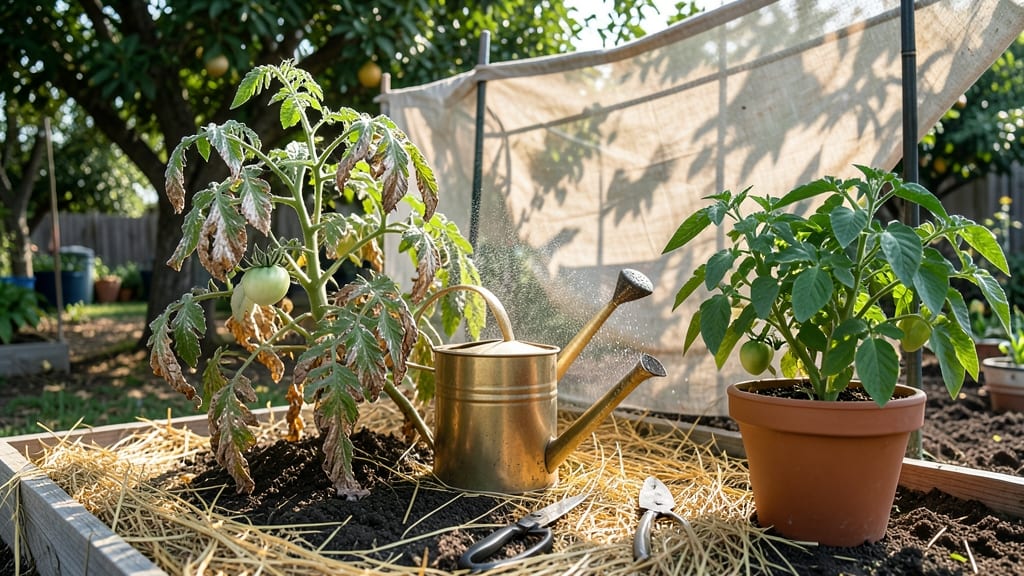
How to heal sunburned plants—they look like they’ve been kissed by a heatwave, but with the right care, you can bring them back to life. 🌿 I've nursed back more than a few crispy-leafed casualties, and the cool water trick works faster than you'd think to revive them. The first step is identifying the damage: bleached patches, brittle edges, or leaves that look like they've been dipped in boiling water. Succulents and tomatoes are especially sensitive, but even hardy plants can get sunburned if moved too quickly from shade to full sun. Once you spot the damage, act fast—don't prune immediately. Instead, give them shade, a cool water soak, and a break from direct sunlight for a few days. Within a week, you'll see new growth pushing through, and the damaged leaves will either drop off naturally or soften enough to trim safely. The key is patience—rushing the process can stress the plant even more. Mulching around the base helps retain moisture and keeps roots cool, which speeds up recovery. This method works for almost any sunburned plant, from delicate ferns to tough-as-nails peppers. The trick isn’t just about fixing the damage—it’s about preventing it next time with gradual sun exposure and proper watering. Trust me, your plants will thank you.
📚 In This Guide
- What you need
- Instructions
- Tips and common mistakes
- Wrapping up and next steps
What you need
- ● Cool (not cold) water: Fill a watering can or large bucket with room-temperature or slightly cool water (avoid ice-cold water—it can shock the plant further). Aim for 1–2 gallons per affected plant.
- ● Misting spray bottle: A 16–32 oz. spray bottle with a fine-mist nozzle for delicate leaves (e.g., succulents, herbs).
- ● Pruning shears: Sharp, sterilized scissors (rubbing alcohol wipes work) to trim severely damaged leaves or stems.
- ● Lightweight shade cloth: 30–50% opacity, enough to cover the plant’s canopy (check local hardware stores for 5’x10’ rolls).
- ● Organic mulch: 2–3 inches of shredded bark, straw, or coconut coir to retain moisture and protect roots.
- ● Plant-specific fertilizer: A diluted seaweed extract (1 tsp per gallon of water) to boost recovery.
- ● Humidity tray: A shallow tray with pebbles and water to increase moisture around the plant.
- ● Anti-transpirant spray: Commercial products like Vapor Gard to reduce water loss (follow label instructions).
- ● Gloves: Nitrile or cotton gloves if handling spiky or thorny plants (e.g., cacti, roses).
Step-by-Step instructions for reviving sunburned plants
Here's how I nurse scorched foliage back to health—no expensive treatments, just smart care.
💧 Step 1: Move Plants to Shade Immediately
Sunburned plants need shade ASAP. Move them to a spot with dappled sunlight or partial shade—think under a tree canopy or a sheer curtain. Direct sun will worsen damage. Check for crispy, white, or yellow patches on leaves; these areas can't photosynthesize anymore, so they're your priority to protect.
If you can't move the plant, drape a lightweight fabric over it to filter harsh rays. Avoid plastic—it traps heat and makes things worse. Watch for wilting stems; if they feel mushy, the roots are struggling too, and you'll need to water differently (more on that next).
💦 Step 2: Apply the Cool Water Revive Trick
Fill a clean spray bottle with room-temperature or cool water (never ice-cold—it shocks the plant). Mist the undersides of leaves first, where most sun damage occurs. Focus on crispy edges and bleached spots. You'll see water bead up on damaged areas; this helps flush out excess heat and rehydrates cells.
For severe cases, soak the entire plant by placing it in a sink or shallow tub of 6-8 inches of cool water for 10-15 minutes. This mimics a gentle rain shower and helps revive wilted stems. Pat dry excess water afterward—soggy leaves invite fungal issues. Repeat this treatment every 2-3 days until new growth appears.
☀️ Step 3: Adjust Watering and Soil Care
Sunburned plants often have shallow root systems struggling to absorb moisture. Water deeply once every 3-4 days (check soil 2 inches down—it should feel damp but not soggy). Use a moisture meter if possible; readings above 40% moisture mean you're overwatering. Overwatering stresses already damaged roots.
Add 1 tablespoon of compost or worm castings to the soil surface around the plant. This boosts microbial activity, helping roots recover faster. Avoid fertilizers—they burn damaged foliage. If the soil feels compacted, gently loosen the top 2 inches with a fork to improve airflow to roots.
✂️ Step 4: Prune Damaged Foliage Strategically
Use clean, sharp scissors to trim away only the most severely burned leaves. Cut back to healthy green tissue—never leave stubs. Removing damaged leaves reduces stress on the plant and prevents disease. You'll notice new growth emerging from the base or along stems within 2-3 weeks if the roots are still viable.
For woody plants like shrubs, prune in early morning when temperatures are cooler. Avoid pruning during heatwaves—it increases stress. If more than 50% of the foliage is damaged, the plant may not recover, and you'll need to replace it. Check stems for brown, mushy spots; these indicate irreversible damage.
🌱 Step 5: Protect and Monitor for Recovery
Create a microclimate by placing a 12-inch tall cage or trellis around the plant and draping lightweight netting over it. This diffuses light and reduces heat stress. Monitor daily for new growth—look for tiny green buds at leaf nodes. These are your first signs of recovery.
If the plant isn't improving after 2 weeks, it may be beyond saving. Compare it to healthy plants of the same type; wilting, yellowing, or blackened stems are red flags. In that case, start fresh with a new plant and adjust its sun exposure next time. Most sunburned plants recover within 4-6 weeks with consistent care.
Tips & tricks for reviving sunburned plants
Here’s what nobody tells you about saving scorched plants—tricks that’ll have them thriving again in no time.
Water Temperature Matters: That "cool (not cold)" water in Step 1 isn’t just a suggestion—it’s critical. Cold water shocks plant cells, while lukewarm water can’t cool effectively. Fill your spray bottle with water that feels like bathwater (around 85-90°F) to maximize cooling without stressing the plant further. For the 10-15 minute soil soak, use room-temperature water to avoid temperature shock to roots.
Light Exposure Timeline: The 2-3 hours of indirect light in Step 2 is your baseline, but some plants (like succulents) need even less. Watch for reddish or white patches—these are your warning signs. If you see them reappear, cut exposure to 1-2 hours daily for another 3-4 days before attempting gradual increases. Think of it like physical therapy for plants: slow and steady wins the race.
Pruning Precision: When trimming crispy edges in Step 3, don’t just snip—angle your cuts. That 45-degree angle just above a leaf node isn’t decorative; it’s a growth signal. The exposed node will sprout new leaves faster. And here’s the secret: use sterilized scissors (wipe with rubbing alcohol) to prevent introducing bacteria through open wounds.
Mulch Magic: The "thin layer of mulch" in Step 3 does more than retain moisture—it acts as insulation. For container plants, use 1-2 inches of mulch (like shredded bark) to protect roots from temperature swings. Pro tip: Add mulch after watering so it doesn’t pull moisture away from the soil during the critical first few days of recovery.
Pro Tips for Heal Sunburned Plants
- Here’s what nobody tells you about saving scorched plants—tricks that’ll have them thriving again in no time.
- Water Temperature Matters: That "cool (not cold)" water in Step 1 isn’t just a suggestion—it’s critical. Cold water s...
- Light Exposure Timeline: The 2-3 hours of indirect light in Step 2 is your baseline, but some plants (like succulents...
Frequently asked questions
Got questions about reviving your sunburned plants? Here are some common concerns—and quick fixes!
How long does it take for sunburned plants to recover?
Most plants show improvement within 3–7 days with proper care, like shade, hydration, and misting. Severe damage (like crispy leaves) may take 2–4 weeks to fully heal. Monitor closely and adjust treatment if no progress is seen after a week.
Can I use ice cubes or cold water directly on sunburned leaves?
No—never use ice or freezing water! Sudden temperature shocks can worsen damage. Instead, use lukewarm or room-temperature water for misting or soaking roots. For extra relief, drape a damp towel over the plant in indirect sunlight.
What if my plant’s leaves are already turning brown and crispy?
Unfortunately, severely damaged leaves won’t recover—they’ll eventually fall off. Focus on new growth by trimming dead leaves (sterilize scissors with rubbing alcohol first!) and boosting care for healthy stems. Prune back to green tissue to encourage regrowth.
Is there a natural remedy to speed up healing?
Yes! Mix 1 tsp of apple cider vinegar per gallon of water (diluted!) to gently restore pH balance and reduce stress. Alternatively, spray with aloe vera gel (diluted 1:1 with water)—it soothes and hydrates without chemicals. Test on a small area first!
How can I prevent sunburn in the future?
Start by acclimating plants gradually to sunlight (a process called "hardening off"). Use shade cloth (30–50%) for young or sensitive plants, and avoid midday sun during peak heat. Mulch around the base to insulate roots and water deeply in the morning to keep foliage hydrated.
Will my plant survive if I don’t treat the sunburn?
It might, but recovery will be slower, and the plant may become more susceptible to pests/disease. Without intervention, sunburn can stunt growth or even kill the plant if roots are also stressed. Act fast—most plants bounce back with proper care!
Wrapping up and next steps
Healing sunburned plants is all about gentle care and quick action—your greenery can bounce back with the right techniques! Remember, hydration, shade, and patience are your best allies. Whether you’re misting leaves, adjusting mulch, or shielding them from harsh light, every effort counts.
🌱 Ready to see your plants thrive again? Start by monitoring their progress daily and tweak your approach as needed. Soon, you’ll have lush, sun-kissed (not sun-scored!) foliage to show for it! Happy gardening! 🌿