
How To
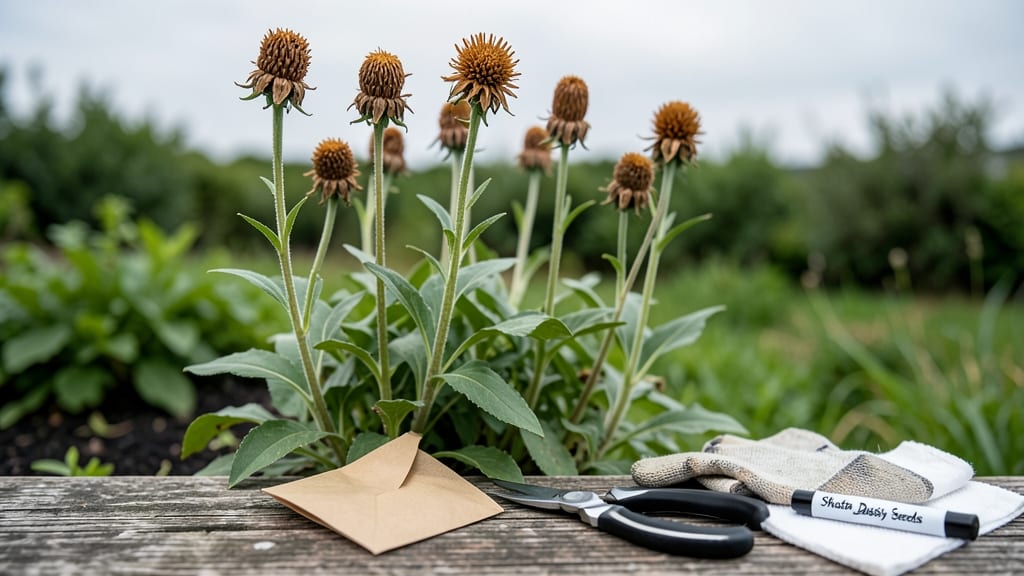
If you’ve ever watched a Shasta Daisy 🌼 fade from its bright white blooms to a dried, papery center, you’ve witnessed nature’s way of telling you it’s time to harvest seeds.
But timing is everything—collect too early, and you’ll end up with nonviable seeds; wait too long, and the wind might snatch them away before you can.
This late summer to early fall window is your golden opportunity to preserve those seeds for next year’s garden. I’ll walk you through the exact signs to look for—like those crispy, brown seed heads that rattle when shaken—and how to gently collect them without harming your plants.
Whether you’re saving seeds to replant or simply curious about the process, this guide covers everything from the right tools to use to the best drying methods. No more guessing whether your seeds will sprout or crumble—just clear, actionable steps for successful seed harvesting.
Ready to turn this year’s daisies into next year’s garden stars? Let’s get started—your future blooms will thank you.
When to harvest Shasta daisy seeds: best timing for viable collection
Timing is everything when harvesting Shasta daisy seeds. Miss the window, and you’ll either collect immature seeds that won’t germinate or wait too long and risk frost damage.
The ideal time falls in late summer to early fall, typically August through September in most U.S. growing zones (like USDA Zone 6a). This aligns with the plant’s natural lifecycle after blooms fade.
Look for these key visual cues: the petals must fall away completely, leaving behind a brown, papery center. The seed head should feel dry and brittle—almost like crispy paper—when you gently squeeze it.
If seeds rattle inside when shaken, they’re ready. Harvesting too early means seeds won’t mature; too late risks exposure to fall rains or frost, which can ruin your collection.
Northern climates (like mine in Zone 6a) should aim for late August to mid-September, while Southern gardeners can extend harvesting until early October. Always check your local frost dates—Shasta daisies can’t survive frost with their seed heads intact.
If frost threatens, harvest immediately, even if the seed heads aren’t fully dry.
Pro tip: Mark your calendar based on your first bloom date. Shasta daisies typically take 90–120 days from bloom to seed maturity. If you planted in spring (March–April), expect seed readiness around mid-to-late summer. This predictable timeline helps avoid guesswork.
| Stage | Signs of Readiness | Action | Best Time |
|---|---|---|---|
| Early Bloom | Petals fully open, center still green | Monitor plant health | Spring–Early Summer |
| Petal Drop | Petals fall, center turns brown | Wait 2–3 weeks | Late Summer |
| Seed Maturity | Seed head brown, dry, brittle, rattles | Harvest immediately | August–September |
| Frost Risk | Seed heads green or soft | Harvest anyway; dry indoors | Before first frost |
Rain can be a seed harvester’s worst enemy. If wet weather is forecasted, collect seeds 24–48 hours ahead of rain to prevent mold or premature sprouting. Store them in a paper bag or envelope until you can dry them indoors.
Humidity is the enemy of seed viability—aim for a cool, dry location (like a seed-saving kit) to preserve germination rates.
One common mistake? Harvesting seeds from hybrid varieties. Many Shasta daisies sold commercially are hybrids, meaning their seeds may not grow true to the parent plant. If you’re saving seeds for next year’s garden, stick to heirloom or open-pollinated varieties.
Check the plant tag or ask your local nursery for seed-saving recommendations.
For gardeners in cooler climates, consider harvesting seeds indoors using a dehumidifier or silica gel packets to speed up drying. Place seed heads in a well-ventilated area (like a mesh bag hung from a ceiling fan) for 1–2 weeks. This mimics natural drying conditions without risking outdoor moisture.
Remember: Patience pays off. Rushing the process can lead to seeds that won’t sprout, while waiting too long risks losing your entire harvest. Once you master the timing, you’ll have a self-sustaining supply of Shasta daisies for years to come—all from seeds you collected yourself.
🌼
When to harvest Shasta daisy seeds: best timing for viable collection
Timing is everything when harvesting Shasta daisy seeds. The ideal window falls between late summer and early fall—typically August to September in most U.S. growing zones.
This ensures seeds mature fully before the first frost, which can damage both the plant and seeds. In warmer climates, you might extend harvesting into October.
Watch for these visual cues to know when seeds are ready: the flower petals should have fallen off, leaving behind a brown, papery center. The seed head will feel dry and brittle, almost like crumpled paper.
If you shake it gently, you’ll hear seeds rattle inside—this is your green light to harvest!
Harvesting too early results in immature, non-viable seeds that won’t sprout. Conversely, waiting too long risks seed loss from falling or being damaged by frost. In USDA Zone 6a (where Shasta daisies thrive), aim to harvest before October 15th, the average first frost date.
🌼 Shasta Daisy Seed Harvest Timeline
| Stage | Action | Months (Northern Hemisphere) |
|---|---|---|
| Flowering | Petals open fully | June–July |
| Petal Drop | Petals fall; center turns brown | July–August |
| Seed Maturity | Seed heads dry and rattle | August–September |
| Harvest Window | Collect seeds before frost | Late August–Early October |
🌡️ Pro Tip: In Zone 7+, extend harvesting until November if frost-free.
For Southern Hemisphere gardeners, reverse the timeline: harvest between February and April. Always prioritize dry, sunny days for harvesting to prevent mold. If rain is forecasted, collect seeds 24–48 hours ahead of wet weather to preserve viability.
Mark your calendar for 120 days after planting, the ideal maturity period for Shasta daisy seeds. This aligns with mid-to-late summer in most regions. If your plants bloom later, adjust your harvest date accordingly—seed maturity is your ultimate guide, not the calendar.
Never harvest seeds after they’ve fallen to the ground, as they’ll lose viability quickly. Instead, cut the entire seed head when it’s fully dry. Store them in a cool, dry place for up to 3 years—though germination rates drop after 1 year.
Plan ahead to ensure next year’s vibrant blooms start with the best possible seeds!